Celtis jessoensis(Celtis jessoensis)

Celtis jessoensis (Celtis jessoensis)

Also known as: Japanese Nettle tree

Celtis jessoensis, commonly known as Japanese hackberry, is well-suited to temperate climates due to several notable attributes:

1. **Versatile Growth:** This deciduous tree excels in various soil conditions, accommodating different textures and pH levels, which enhances its adaptability.
2. **Distinctive Bark:** The tree's bark, which is notably flaky, provides an effective barrier against environmental stresses such as temperature fluctuations and pests.
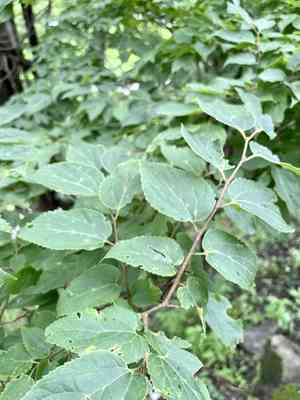
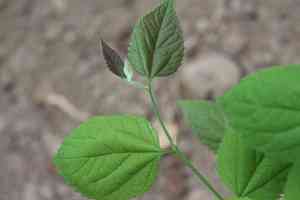
3. **Unique Foliage:** The leaves possess an asymmetrical base and serrated edges, giving the tree a distinctive appearance and aiding in identification.
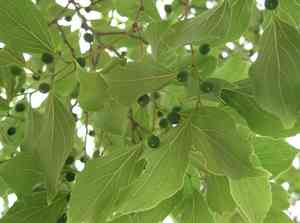
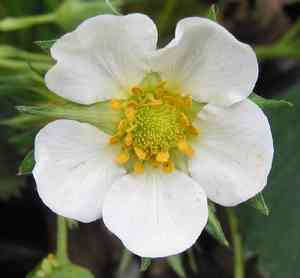
4. **Fruit Production:** Though its flowers are small and not very noticeable, they develop into berries that are a significant food source for numerous bird species, thereby supporting local wildlife.

In local ecosystems, Celtis jessoensis fulfills several important ecological roles:

1. **Wildlife Support:** The fruits attract birds and other fauna, establishing the tree as a critical food source within its habitat.
2. **Soil Stabilization:** Its root system helps prevent soil erosion, contributing to the stability and health of the ecosystem.
3. **Biodiversity Enhancement:** By providing food and shelter, it supports a wide range of organisms, fostering biodiversity and ecological balance.

These characteristics make Celtis jessoensis a valuable component of temperate forests, promoting ecological health and resilience.

Attributes of Celtis jessoensis

Lifespan
Perennial
Plant Type
Tree
Plant Height
10-20 meters
Spread
5-10 meters
Leaf Color
Green, turning yellow in fall
Flower Size
Less than 1 cm
Flower Color
Greenish

ForwardPlant - Identify plants with a snap

Identify and diagnose plants, get toxicity alerts, and explore safety guides for all types of fungi.

Try for Free

Images of Celtis jessoensis

Celtis jessoensis(Celtis jessoensis)

Quickly Identify Celtis jessoensis

1
To identify Celtis jessoensis, look for a tree with ovate leaves that have a serrated margin. The leaves turn yellow in the fall. The bark is grey and smooth in young trees, becoming rough and fissured with age. The small greenish flowers appear in spring, followed by small, round, and reddish fruits.

Scientific Classification of Celtis jessoensis

Phylum
Vascular plants
Class
Dicotyledons
Order
Rosales
Family
Hemp
Genus
Hackberries
Species
Celtis jessoensis

Planting and Growing of Celtis jessoensis

Care Difficulty
Moderate
Watering Schedule
Every 2 days
Sunlight Requirements
Partial sun
Sunshine Duration
6-10 hours
Ideal Temperature
60-75℉
Soil Type
Potting Mix, Peat Mix
Soil pH
6.5-7.5
Fertilizer Type
Balanced
Pruning Season
Spring, Summer
Pruning Area
Branches, Leaves
Pruning Frequency
2 times a year
Repotting Season
Spring
Pot Type
Plastic, Ceramic

water icon How to Water Celtis jessoensis?

When watering Celtis jessoensis, ensure the water reaches deep enough to moisten the root zone, approximately 500 ml per session. This ensures the roots have sufficient moisture without creating waterlogged conditions. Let the soil surface become slightly dry before the next water cycle to maintain optimal soil health.
What are the symptoms of an underwatered Celtis jessoensis?
What should I do if my Celtis jessoensis is not getting enough water?
What are the symptoms of an overwatered Celtis jessoensis?
How to save an overwatered Celtis jessoensis?

sunlight icon What Are the Sunlight Requirements for Celtis jessoensis?

Sunlight Requirements: Partial sun, Full sun
Duration of light: 4 to 6 hours
Celtis jessoensis benefits most from partial sun to full sun exposure, enhancing its vigor and foliage density. Adequate sunlight supports robust growth, vibrant color, and resilience against environmental stressors.
How much light does Celtis jessoensis need?
What if the lighting is insufficient?
Why is ideal lighting crucial for Celtis jessoensis?

temperature icon What Is the Ideal Temperature Range for Celtis jessoensis?

Ideal Temperature: 60 ~ 75℉
The ideal temperature range for growing Celtis jessoensis is between 60°F and 75°F. This range ensures optimal growth and health for the plant, allowing it to thrive and develop properly without facing temperature-related stress.

soil icon What Soil is Best for Celtis jessoensis?

Soil type: Sandy loam, Loam
Soil PH: 6.5 ~ 7.5
Celtis jessoensis thrives in soils that maintain adequate moisture without becoming waterlogged. Sandy loam and loam soils provide excellent moisture retention. This condition allows roots to absorb necessary nutrients effectively, promoting healthy growth. Rich, loamy soils provide the essential nutrients Celtis jessoensis needs for optimal growth and vitality. This nutrient-rich environment ensures robust foliage and a healthy root system, supporting the plant's development. Proper drainage is crucial for Celtis jessoensis to prevent root rot. Loam and sandy loam soils offer excellent drainage capabilities, which helps maintain plant health by avoiding excess moisture accumulation.

fertilize icon How to Fertilize Celtis jessoensis?

Fertilizer type: Balanced
Celtis jessoensis requires a balanced amount of nutrients to thrive. It is recommended to apply about 200 grams of slow-release fertilizer per tree annually. For liquid fertilizer, use a diluted solution at half the recommended strength to prevent root burn.

prune icon How to Prune Celtis jessoensis?

Pruning Time: Spring, Summer, Autumn, Winter
Begin by cutting away any deadwood using sharp pruning shears. This helps redirect the plant's energy towards more productive growth. Look for branches that appear dry and brittle—these are usually signs of deadwood. Trim back any overgrown branches to maintain the plant’s desired shape and promote dense foliage. Remove branches that stick out awkwardly or detract from the overall aesthetics of the Celtis jessoensis. Thin out the inner branches to improve airflow and light penetration through the canopy. This helps prevent fungal infections and gives the inner leaves enough sunlight to stay healthy and vibrant. When making a cut, always prune just above a leaf node or a bud. This encourages new growth to sprout from the cut point, ensuring vigorous and lush development for the next growing season. More About Pruning Techniques

propagate icon How to Propagate Celtis jessoensis plant?

Propagate Time: Spring, Early spring
1
Harvest seeds from mature Celtis jessoensis fruits in early autumn. Ensure seeds are fully ripened for better germination success.
2
Select healthy branches for cuttings during early spring. Cut 10-15 cm sections below a node and remove lower leaves to reduce water loss.
3
Sow seeds in seed trays with a light covering of soil or plant cuttings in a suitable medium. Ensure the soil is moist but well-drained to prevent rot.
More About Propagating Techniques

repot icon How to Repot Celtis jessoensis plant?

Repotting frequency: Every 2-3 years
1
Celtis jessoensis shows signs of needing a new pot when its roots start to circle inside the pot or protrude from the drainage holes. Other indicators include slower growth and reduced vigor. Spring is the perfect time to repot, preparing the plant for the growing season with renewed vigor and space.
2
Select a pot that is 2-3 inches larger in diameter than the current one. Ensure it has adequate drainage holes to prevent waterlogging, which can lead to root rot. A slightly larger pot encourages healthy root growth while providing stability for the plant.
3
A well-draining loamy soil mix is recommended, as it retains essential moisture without becoming waterlogged. This type of soil provides a balanced environment for nutrients and air, promoting healthy root development and preventing issues like root rot.

ForwardPlant - Identify plants with a snap

Find the best spots for them to optimize their health, simply using your phone.

Try for Free