How to Transplant Woolyleaf ceanothus?
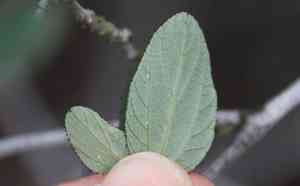
Woolyleaf ceanothus flourishes when relocated in the mild weather of early spring or late autumn, enabling its root system to settle without severe thermal strain. Select a bright, adequately drained spot for peak development. Verify the soil is damp and contemplate applying mulch to preserve hydration.
What Preparations are Needed Before Transplanting Woolyleaf Ceanothus?
What is the Ideal Time for Transplanting Woolyleaf Ceanothus?
Woolyleaf ceanothus flourishes when moved in early to mid-spring, benefiting from new growth conditions and ample rainfall. This timing promotes robust root development and minimizes stress. Transplanting during these seasons prepares woolyleaf ceanothus for the upcoming warm growing months, allowing it to establish more firmly with natural hydration and favorable summer temperatures.
How Much Space Should You Leave Between Woolyleaf Ceanothus Plants?
For successful transplanting, position your woolyleaf ceanothus plants approximately 5-8 feet (1.5-2.4 meters) apart. This provides them sufficient room to expand and grow without competing for resources.
What is the Best Soil Mix for Woolyleaf Ceanothus Transplanting?
Prepare well-draining soil for woolyleaf ceanothus, ideally incorporating compost or a balanced slow-release fertilizer to enrich it. Sandy or loamy soil types are most suitable for healthy root development.
Where Should You Relocate Your Woolyleaf Ceanothus?
Select a sunny location for your woolyleaf ceanothus plants. They thrive in full sun, meaning they require at least 6 hours of direct sunlight daily for optimal growth.
What Equipments Should You Prepare Before Transplantation Woolyleaf Ceanothus?
Gardening Gloves
To safeguard your hands while handling soil and the plant.
Shovel or Spade
To excavate around and lift the plant.
Garden Trowel
For smaller, precise digging tasks.
Pruning Shears
To trim any damaged or overgrown roots.
Watering Can or Hose
For hydrating the plant before and after relocation.
Organic Mulch
To retain moisture and shield the roots after transplanting.
Wheelbarrow
To transport the plant to its new site if necessary.
How Do You Remove Woolyleaf Ceanothus from the Soil?
How Do You Remove Woolyleaf Ceanothus from the Soil?
From Ground: First, irrigate the woolyleaf ceanothus plant to moisten the soil. Then, excavate a wide trench around the plant using a shovel or spade, ensuring the plant's root ball remains intact. Carefully work the spade beneath the root ball to lift the plant from its original spot.From Pot: Water the woolyleaf ceanothus plant thoroughly to loosen the soil. Gently tap the pot's sides to release the plant, then carefully slide it out, supporting the root ball with your hand.From Seedling Tray: Water the seedlings to make the soil easier to manage. Use a garden trowel to gently lift each woolyleaf ceanothus seedling, ensuring you extract as much of the root system as possible.
Step-by-Step Guide for Transplanting Woolyleaf Ceanothus
Site Selection
Choose a spot with adequate sunlight and room for your woolyleaf ceanothus to reach its full size.
Prepare the Hole
Dig a hole twice as wide and just as deep as the woolyleaf ceanothus's root ball. Loosen the soil at the bottom of the hole to encourage root penetration.
Remove Plant from Original Location
Follow the steps outlined under 'removal process' to carefully extract the woolyleaf ceanothus from its initial setting without harming the roots.
Place in New Location
Position the woolyleaf ceanothus in the center of the hole, ensuring the top of the root ball is level with or slightly above the surrounding soil. Adjust the hole's depth if needed.
Backfill Hole
Gently refill the hole with soil, pressing down lightly to eliminate air pockets. Be careful not to bury the stem.
Water Thoroughly
Water the woolyleaf ceanothus generously to help settle the soil around the roots. Ensure the water penetrates deep into the soil to support the root system.
How Do You Care For Woolyleaf Ceanothus After Transplanting?
Watering
Keep the soil around the woolyleaf ceanothus consistently moist, but not waterlogged, for the initial few weeks post-transplant to aid in strong root establishment.
Mulching
Apply a layer of organic mulch around the base of the woolyleaf ceanothus to retain moisture, regulate soil temperature, and suppress weeds.
Monitoring
Regularly check for indications of transplant shock, such as wilting or yellowing leaves. Adjust care as necessary to ensure the plant's well-being.
Pruning
Trim any damaged or overgrown roots before transplanting, and consider light pruning to lessen stress on the plant as it settles into its new location.
Troubleshooting Common Issues with Woolyleaf Ceanothus Transplantation.
When is the best season to transplant woolyleaf ceanothus?
Woolyleaf ceanothus thrives when transplanted in early spring, mid spring, late fall, or early winter.
How far apart should I space woolyleaf ceanothus plants?
Provide a spacing of 5-8 feet (1.5-2.4 meters) between each woolyleaf ceanothus plant.
How deep should I dig the hole for woolyleaf ceanothus?
Dig a hole twice as wide and the same depth as the root ball.
How should I prepare the soil for woolyleaf ceanothus?
Ensure well-draining soil and mix in organic compost to improve soil quality.
What precautions should I take while lifting woolyleaf ceanothus?
Lift woolyleaf ceanothus carefully to avoid damaging the roots; keep the root ball intact.
How can I minimize transplant shock for woolyleaf ceanothus?
Water woolyleaf ceanothus thoroughly after transplanting and ensure consistent moisture in the following weeks.
What type of watering schedule is ideal for newly transplanted woolyleaf ceanothus?
Water woolyleaf ceanothus regularly for the first few weeks until it establishes a strong root system.
Should I add mulch after transplanting woolyleaf ceanothus?
Apply a layer of mulch around woolyleaf ceanothus to conserve moisture and regulate soil temperature.
How can I ensure woolyleaf ceanothus establishes well in its new location?
Choose a sunny spot, keep the soil moist but not waterlogged, and avoid disturbing the roots.
What common transplanting mistakes should I avoid with woolyleaf ceanothus?
Avoid planting too deeply, overwatering, or spacing plants too closely together.



