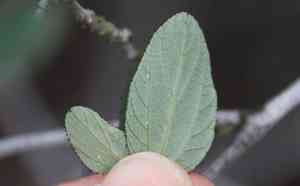
Woolyleaf ceanothus (Ceanothus tomentosus)
Also known as: Woollyleaf ceanothus
The Woolyleaf ceanothus (Ceanothus tomentosus) is an evergreen shrub native to California, notable for its woolly branches and clusters of fragrant blue or lavender flowers. Adapted to dry, chaparral habitats, it features tough, oval leaves that are finely toothed and designed for water conservation. This plant is drought-tolerant and thrives in poor soils. Importantly, it acts as a nitrogen-fixer, enriching the soil and contributing positively to its ecosystem. Additionally, it supports pollinators like bees and butterflies and helps control erosion.
In This Article
Attributes of Woolyleaf ceanothus
Lifespan
Perennial
Plant Type
Shrub
Plant Height
1.8 m to 3.5 m
Spread
1.5 to 3 meters
Leaf Color
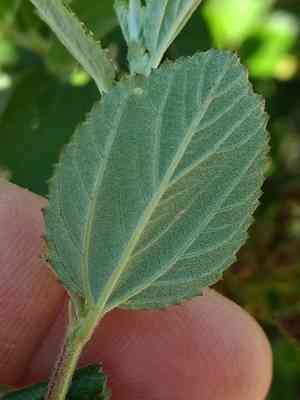
Green on the upper side, whitish-woolly underside
Flower Size
Approximately 0.5 to 1 cm per flower, but clusters can be up to 10 cm
Flower Color
Blue to violet
Images of Woolyleaf ceanothus
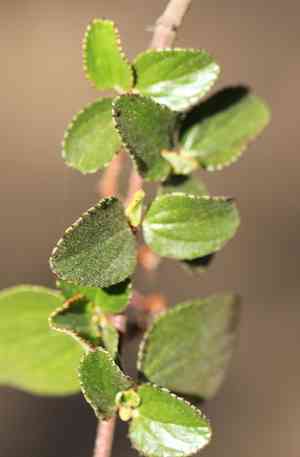
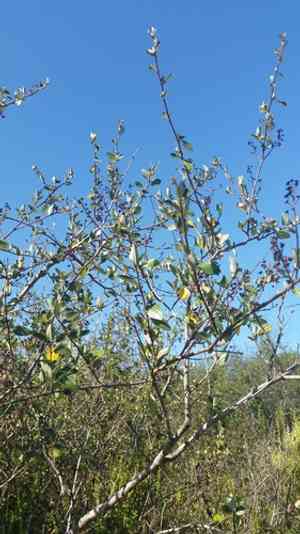
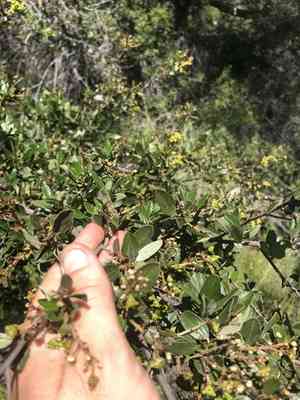
Quickly Identify Woolyleaf ceanothus
1
To identify Ceanothus tomentosus, look for a shrub that has whitish-woolly (tomentose) leaves underneath, with blue to violet flowers blooming in dense clusters. The leaves are generally oval to oblong in shape, with a rough texture.
Scientific Classification of Woolyleaf ceanothus
Phylum
Vascular plants
Class
Dicotyledons
Order
Rosales
Family
Buckthorn
Genus
Redroots
Species
Woolyleaf ceanothus
Planting and Growing of Woolyleaf ceanothus
Care Difficulty
Moderate
Watering Schedule
Every day
Sunlight Requirements
Full sun
Sunshine Duration
4-8 hours
Ideal Temperature
60-75℉
Soil Type
Potting Mix, Peat Mix
Soil pH
6.5-7.5
Fertilizer Type
Balanced
Pruning Season
Spring, Summer
Pruning Area
Branches, Leaves
Pruning Frequency
2 times a year
Repotting Season
Spring
Pot Type
Plastic, Ceramic
 How to Water Woolyleaf ceanothus?
Ceanothus tomentosus requires careful attention to watering, ensuring the soil is well-moistened without becoming waterlogged. The soil should be drenched thoroughly, approximately 500 mL per session, allowing the moisture to penetrate deeply to reach the root system, promoting healthy growth.
What are the symptoms of an underwatered Woolyleaf ceanothus?
›
What should I do if my Woolyleaf ceanothus is not getting enough water?
›
What are the symptoms of an overwatered Woolyleaf ceanothus?
›
How to save an overwatered Woolyleaf ceanothus?
›
 What Are the Sunlight Requirements for Woolyleaf ceanothus?
Ceanothus tomentosus ideally requires full sun exposure, meaning it should have a minimum of six hours of direct sunlight daily. This promotes healthy growth, vivid blooms, and resilience against diseases.
What is the ideal light exposure for Ceanothus tomentosus?
›
What solutions ensure ideal lighting for Ceanothus tomentosus?
›
What benefits does ideal lighting provide for Ceanothus tomentosus?
›
 What Is the Ideal Temperature Range for Woolyleaf ceanothus?
Ceanothus tomentosus thrives best in temperatures ranging from 60°F to 75°F. This range supports optimal growth and flowering by providing a consistent climate that mimics its native environment. Within this temperature range, the plant can efficiently photosynthesize and maintain proper hydration levels, promoting a healthy lifecycle.
 What Soil is Best for Woolyleaf ceanothus?
Ceanothus tomentosus thrives in well-drained soil. This prevents root rot and other diseases by ensuring excess water does not stagnate around the roots. A nutrient-rich soil is essential for the healthy growth of Ceanothus tomentosus. It helps in vibrant foliage and supports its flowering capabilities. While well-drained soil is crucial, a moderate level of water retention ensures the plant doesn't dry out too quickly, which is important in hotter climates.
 How to Fertilize Woolyleaf ceanothus?
Ceanothus tomentosus requires a mindful approach to fertilization due to its adaptability to low-nutrient environments. For liquid fertilizers, use a diluted solution at half the recommended strength. Apply no more than once a month during the growing season, about 50-100 ml depending on the plant size. For slow-release fertilizers, a light application, approximately 50 grams per plant once every 6 months, suffices.
 How to Prune Woolyleaf ceanothus?
Begin by removing any dead or damaged wood. Cut these branches back to the base or a healthy joint. 2. Thin out overcrowded areas to improve air circulation, which helps prevent disease. Remove branches that cross over each other. 3. Shape the shrub by trimming back overly long branches to maintain its natural form. Avoid shearing, as it drowns out future blooms. 4. Regularly step back to assess the plant’s shape and structure to ensure uniform growth. Ceanothus tomentosus can grow substantially if left unchecked. For overgrown shrubs, take a gradual approach: prune extra growth back by no more than a third each season. This prevents shock and encourages healthy regrowth. Ensuring enough sunlight reaches the center helps flower bud formation, contributing to a more vibrant display next blooming season.
More About Pruning Techniques→
 How to Propagate Woolyleaf ceanothus plant?
1
Soak seeds in warm water for 24 hours to soften the seed coat, which helps in breaking dormancy and speeds up the germination process.
2
Select semi-hardwood cuttings of 4-6 inches long from healthy Ceanothus tomentosus plants, ensuring cuts are made clean and at a 45-degree angle below a node.
3
Dip the cut end of the cutting into rooting hormone and plant in a moistened potting mix, then cover with a plastic bag to maintain humidity while rooting.
 How to Repot Woolyleaf ceanothus plant?
1
Ceanothus tomentosus should be repotted when you notice roots appearing through the drainage holes or when growth has significantly slowed. Usually, spring and autumn are ideal seasons for this activity, as the plant can establish roots before the stress of high temperatures or colds.
2
Select a pot that is only slightly larger than the current one, ideally 1-2 inches wider in diameter. Opt for terracotta or clay pots with drainage holes to promote air circulation and prevent root rot. The weight of the pot will also provide stability for the developing plant.
3
Choose a well-draining sandy mix that mimics the plant's natural habitat. A healthy blend of sand, perlite, and a small amount of organic matter will prevent waterlogging and encourage the healthy growth of Ceanothus tomentosus roots, ensuring it thrives post-transplant.
Learn More About Woolyleaf ceanothus Diseases
Anthracnose
Bacterial Leaf Spot
Black Spot
Chemical Injury
Crown Gall
Damping-off
Downy Mildew
Drought Stress
Fusarium Wilt
Gray Mold
Leaf Curl
Leaf Spot
Mosaic
Nutrient Deficiency
Nutrient Toxicity
Powdery Mildew
Root Rot
Root-knot Nematode
Rusts
Sooty Mold
Spider Mites
Temperature Stress
Thrips Damage
White Mold



