How to Prune Woolyleaf ceanothus?
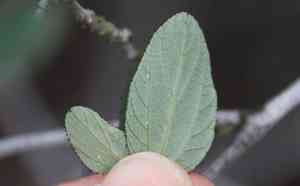
Ceanothus tomentosus, recognized by its downy foliage, necessitates trimming in the initial part of spring. Remove any lifeless or ailing branches to preserve its well-being. Gently sculpt and reduce density to boost air movement and stimulate bloom production. Refrain from severe cutting, as this can cause distress to the specimen. Consistent upkeep deters excessive density, elevates visual appeal, and fosters robust development. Referring to regional gardening resources can offer localized recommendations.
Advantages of Trimming Woolyleaf Ceanothus
Advantages of Trimming Woolyleaf Ceanothus
Woolyleaf ceanothus benefits from trimming by encouraging strong development, maintaining its form, enhancing blooms, and improving overall look. Trimming also helps manage size, lower pest and disease risks, and promote vigorous growth, ensuring healthier, more manageable plants.
Optimal Period for Trimming Woolyleaf Ceanothus
Optimal Period for Trimming Woolyleaf Ceanothus
Trimming in early spring allows woolyleaf ceanothus to recover and generate new growth before its flowering season. This timing is perfect because woolyleaf ceanothus experiences rapid growth in the spring, and trimming prior to this period helps preserve its shape and encourages a healthy blooming cycle. Additionally, early spring trimming reduces plant stress as it is not in its active growth or flowering phase, minimizing the chances of disease spread and fostering a robust and vibrant bloom season.
Required Tools for Trimming Woolyleaf Ceanothus
Bypass Pruners
Bypass pruners are crucial for making precise, clean cuts on smaller stems and branches, typically up to an inch in diameter. These are ideal for woolyleaf ceanothus to maintain healthy growth and shape.
Loppers
Loppers are necessary for cutting thicker branches that exceed the capacity of hand pruners. They offer greater leverage and can handle branches up to 2 inches in diameter, which is useful for woolyleaf ceanothus to remove larger, unwanted growth.
Hand Saw
A hand saw is essential for removing large branches that cannot be managed by pruners or loppers. Select a saw with a narrow blade to navigate through the dense foliage of woolyleaf ceanothus.
Pole Pruner
For elevated branches that are otherwise hard to reach, a pole pruner is recommended. It enables gardeners to safely trim tall sections of woolyleaf ceanothus without needing a ladder.
Gloves
Protective gloves are vital to prevent scratches and injury from handling branches and tools while trimming woolyleaf ceanothus. They ensure a safe and comfortable trimming session.
How to Trim Woolyleaf Ceanothus
Inspect
Carefully examine woolyleaf ceanothus to identify diseased leaves, withered leaves, dead branches, and diseased branches. Look for signs like discoloration, brittle textures, or lesions.
Tools
Sanitize your trimming tools with a mixture of bleach and water to prevent the spread of disease.
Trim diseased leaves
Remove diseased leaves by cutting them at the base of their stem using sterilized trimming shears. Ensure you cut back to healthy tissue.
Trim withered leaves
Cut away withered leaves close to the point where they join the main stem. This promotes energy focus to the healthy parts of woolyleaf ceanothus.
Trim dead diseased branches
For dead and diseased branches, make a clean cut just above the branch collar (the swollen area where the branch meets the main stem). Inspect the cuts for healthy wood and adjust as needed.
Common Trimming Errors with Woolyleaf Ceanothus
Incorrect Timing
Trimming at the wrong time can harm woolyleaf ceanothus and hinder its growth and flowering potential.
Over-trimming
Removing too much of the plant can lead to stress, reducing its ability to thrive and produce flowers.
Improper Technique
Using dull or unclean tools may cause jagged cuts that do not heal well, making woolyleaf ceanothus susceptible to diseases and pests.
Ignoring Plant Structure
Not considering the natural growth habit of woolyleaf ceanothus, leading to an unattractive shape or poor growth.
General Trimming Advice for Woolyleaf Ceanothus
Use Sharp, Clean Tools
Always ensure tools are sharp and sterilized to make clean cuts that heal quickly, minimizing disease risk.
Trim Lightly
Only remove what is necessary, focusing on dead, damaged, or crossing branches to maintain a healthy structure.
Maintain Natural Shape
Follow the natural growth pattern of woolyleaf ceanothus to retain its aesthetic form while promoting robust growth.
Observe Plant Health
Regularly monitor the plant for any signs of disease or pest infestation and trim affected parts promptly.



