How to Transplant Giant blue cohosh?
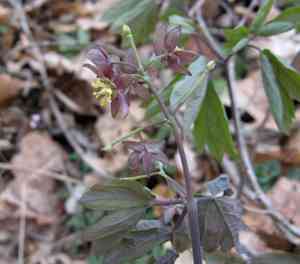
The ideal period for relocating giant blue cohosh is amidst the vigorous development of mid to late spring, facilitating superior root integration. Choose a shadowed location featuring damp earth, and guarantee careful handling to preserve the root system's soundness.
What Preparations are Needed Before Transplanting Giant Blue Cohosh?
What is the Ideal Time for Transplanting Giant Blue Cohosh?
For giant blue cohosh, the optimal period for relocation extends from early spring's onset through late spring's peak. This timeframe provides mild temperatures and sufficient rainfall for root establishment. Moving giant blue cohosh during this window promotes vigorous development, as the warming ground and increased daylight hours work together to stimulate the plant's dormant vitality. It's also when natural soil moisture is at its best, lessening the strain on newly moved specimens and boosting their chances for a thriving season ahead. Choose this season to give giant blue cohosh the head start it requires to flourish.
How Much Space Should You Leave Between Giant Blue Cohosh Plants?
When getting ready to move giant blue cohosh, ensure they have ample room to expand. Aim to position them approximately 12-18 inches (30-46 cm) apart. This guarantees each giant blue cohosh has sufficient area to thrive without competing for resources.
What is the Best Soil Mix for Giant Blue Cohosh Transplanting?
Before relocating giant blue cohosh, enrich the planting site with well-draining soil abundant in organic matter. A balanced, slow-release fertilizer will supply giant blue cohosh with the necessary nutrients for developing strong roots. Target a pH range of 6.0-7.0 for optimal growth.
Where Should You Relocate Your Giant Blue Cohosh?
Select a spot for giant blue cohosh that receives partial to full shade, as excessive direct sunlight can be detrimental. Giant blue cohosh thrives in cool, protected areas, mimicking its natural woodland environment, which will help it grow robust and healthy.
What Equipments Should You Prepare Before Transplantation Giant Blue Cohosh?
Gardening Gloves
To safeguard your hands while handling soil and the plant.
Shovel or Spade
For excavating the plant and preparing the new planting site.
Trowel
Useful for more precise or smaller digging tasks.
Wheelbarrow
To move giant blue cohosh and soil, if required.
Pruners
To trim any damaged roots or foliage.
Watering Can or Hose
To hydrate giant blue cohosh before and after its relocation.
Rooting Hormone (optional)
To stimulate root growth post-transplant.
Mulch
To aid in retaining soil moisture and regulating root zone temperature.
How Do You Remove Giant Blue Cohosh from the Soil?
How Do You Remove Giant Blue Cohosh from the Soil?
From Ground: First, water the giant blue cohosh to moisten the soil around its roots, facilitating easier removal with less root damage. Next, use a shovel or spade to dig a wide circle around the plant to avoid cutting into the root system. Carefully slide the shovel beneath the root ball and lift the giant blue cohosh from its spot.From Pot: Gently grasp the giant blue cohosh at its base and tilt the pot sideways, supporting the plant as it slides out. If the plant is root-bound, you may need to tap the pot's edges or press on the sides to loosen the soil and roots before extraction.From Seedling Tray: Dampen the soil in the seedling tray to reduce the likelihood of root breakage during the process. Use a trowel or your fingers to carefully separate the individual giant blue cohosh seedling, ensuring you support the soil and root ball as you lift it from the tray.
Step-by-Step Guide for Transplanting Giant Blue Cohosh
Preparation
Arrange all your tools and equipment conveniently so they are accessible throughout the giant blue cohosh transplant process.
Root Ball Care
Water the giant blue cohosh thoroughly a few hours prior to transplanting to ensure root hydration; avoid saturation.
Digging Hole
At the chosen location, excavate a hole with a shovel or spade that is twice as wide and the same depth as the giant blue cohosh's root ball.
Planting
Position the giant blue cohosh in the new hole at the identical depth it was previously growing. Gently spread its roots and backfill the hole with soil.
Watering After Transplant
Water the giant blue cohosh generously immediately following transplanting to help settle the soil and eliminate any remaining air pockets.
Mulching
Apply a layer of mulch around the base of the giant blue cohosh, ensuring no direct contact with the stem.
How Do You Care For Giant Blue Cohosh After Transplanting?
Observation
Regularly inspect the giant blue cohosh for indications of transplant shock, such as wilting foliage or discolouration.
Stabilization
Ensure the giant blue cohosh remains firm and upright.
Pruning
If any roots or leaves sustained damage during transplanting, trim these sections to allow the giant blue cohosh to concentrate its energy on developing new growth.
Watering
Maintain consistent moisture for the giant blue cohosh without overwatering, to aid its establishment.
Troubleshooting Common Issues with Giant Blue Cohosh Transplantation.
What's the best time to transplant giant blue cohosh for healthy growth?
Choose to transplant giant blue cohosh during the optimal growth period from mid to late spring when the soil warms.
How can I ensure proper spacing for giant blue cohosh during transplanting?
Allow giant blue cohosh ample room to thrive by spacing them 12-18 inches (30-45 cm) apart to prevent crowding.
What should I do if giant blue cohosh wilts after transplanting?
Water giant blue cohosh gently but thoroughly, ensuring the soil is moist but not waterlogged to revive wilted plants.
Why are my transplanted giant blue cohosh's leaves turning yellow?
Yellowing can signal shock or incorrect watering. Review irrigation practices and minimize root disturbance during transplanting.
What soil conditions are optimal for transplanting giant blue cohosh?
Relocate giant blue cohosh into well-draining, rich soil with a generous amount of organic matter for best outcomes.
Can I transplant giant blue cohosh on a hot sunny day?
Avoid transplanting giant blue cohosh during midday heat. Select a cool, overcast day, or late afternoon to prevent stress.
How deep should I plant giant blue cohosh when transplanting?
Dig a hole for giant blue cohosh so its root ball sits flush with the soil surface, ensuring it's neither too deep nor too shallow.
What is the ideal soil pH for giant blue cohosh transplantation?
Aim for a soil pH between 5.5 and 6.5, which is slightly acidic and perfect for giant blue cohosh.
How do I handle giant blue cohosh's roots during transplantation?
Carefully loosen the giant blue cohosh's root ball and gently spread the roots outwards without force to encourage healthy growth.
What aftercare tips should I follow post giant blue cohosh transplant?
Mulch around giant blue cohosh, provide consistent moisture especially during dry spells, and shield from strong winds to aid recovery.



