How to Propagate Giant blue cohosh?
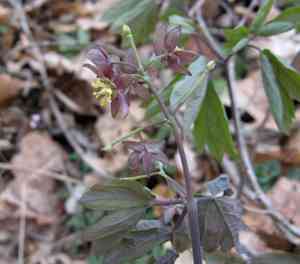
Caulophyllum giganteum is a perennial species that flourishes when reproduced through seeding. For successful development from seeds, confirm their freshness and plant them in a soil blend that drains effectively. Furthermore, stratification, a chilling process, frequently boosts germination percentages because Caulophyllum giganteum seeds display dormancy, which must be overcome. After planting, supply steady hydration without excessive saturation, as Caulophyllum giganteum favors a damp yet not waterlogged setting. Mild warmth can also aid the germination procedure, replicating the natural circumstances Caulophyllum giganteum seeds would experience.
When Is the Optimal Time to Propagate Giant Blue Cohosh?
Propagation Type
Seeding
Propagation Season
Spring
What Tools Are Utilized in Giant Blue Cohosh Propagation?
Seed trays
Seed trays offer a structured setting for the initial planting and growth of giant blue cohosh's seeds. They facilitate even distribution of moisture and light, crucial for germination. Selecting shallow trays with drainage holes prevents waterlogging, which is vital as giant blue cohosh is sensitive to excessive moisture.
Peat pots
Peat pots are very advantageous for giant blue cohosh due to their biodegradable nature, which minimizes root disturbance during transplanting. Since giant blue cohosh can be susceptible to root shock, using peat pots allows young plants to be moved directly into the soil, pot and all, thereby reducing transplant stress.
Fine mister spray bottle
A fine mister spray bottle is indispensable for gently watering giant blue cohosh seeds. The fine mist ensures an even water distribution, keeping the soil moist but not saturated, thus supporting the delicate germination phase without causing soil erosion or seed displacement.
Heating mat
A heating mat is crucial for giant blue cohosh as it guarantees consistent soil temperature, a key factor for successful germination in this specific species. By maintaining a stable, appropriate temperature, the heating mat promotes quicker and more uniform germination rates.
Perlite or vermiculite
Incorporating perlite or vermiculite into the soil mix can enhance aeration and drainage around giant blue cohosh seeds. These materials reduce soil compaction, encourage root development, and create a more favorable environment for seedlings, thereby improving overall plant health and successful propagation.
How to Propagate Giant Blue Cohosh?
Propagation Type
Simple
How to Nurture Your Newly Propagated Giant Blue Cohosh?
How to Nurture Your Newly Propagated Giant Blue Cohosh?
Post-propagation, ensure giant blue cohosh is situated in a partially shaded spot with well-draining, organic-rich soil. Regular mulching helps retain soil moisture and stabilize root temperature. Light, consistent watering should continue until the plant is established, after which irrigation can be reduced. Regularly inspect plants for disease or pests, and address any issues promptly.
Common Errors to Avoid When Propagating Giant Blue Cohosh
Overwatering
Excessive watering can lead to root rot in giant blue cohosh, particularly in poorly draining soils. This hinders the plant's nutrient absorption and can severely impact its growth and survival.
Deep planting
Planting giant blue cohosh's seeds or rhizomes too deeply can impede their germination and growth. Giant blue cohosh requires a specific depth to ensure seedlings can efficiently emerge through the soil surface.
Ignoring soil pH
Failure to adjust the soil to an appropriate pH can prevent giant blue cohosh from absorbing essential nutrients, affecting its overall health and vigor.
Neglecting fungal diseases
Not monitoring for signs of fungal infections can jeopardize the propagation process. Fungi can harm both seeds and young plants, significantly reducing the success rate.
Advice For Propagating Giant Blue Cohosh
Moist stratification
For successful germination, giant blue cohosh's seeds benefit from moist stratification. This process involves mimicking winter conditions, which aids in breaking seed dormancy.
Appropriate planting depth
Ensuring seeds or rhizomes are planted at the correct depth is crucial. For giant blue cohosh, shallow planting is typically advised to facilitate proper seedling emergence and root development.
Soil pH monitoring
Maintaining the soil pH within the ideal range for giant blue cohosh is essential for nutrient uptake. Testing and adjusting the soil pH prior to planting can lead to healthier growth and improved propagation outcomes.
Fungicide application
Applying a suitable fungicide during the initial stages of propagation can help protect giant blue cohosh from fungal diseases, thereby increasing propagation success and plant health.



