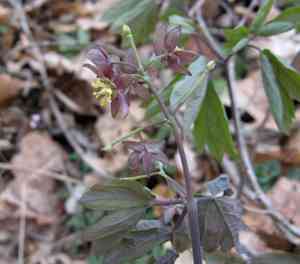
Giant blue cohosh (Caulophyllum giganteum)
Also known as: Blue Cohosh, Giant Blue Cohosh
Giant blue cohosh (Caulophyllum giganteum) primarily grows in the moist, dense woodlands of northeastern North America and certain regions of Asia. It thrives in nutrient-rich, well-drained soils and prefers areas with partial to full shade. This plant is unique due to its shrub-like stems that produce flowers, even though it lacks the branching typical of perennials. It belongs to the Barberry family.
In This Article
Attributes of Giant blue cohosh
Lifespan
Perennial
Plant Type
Herb
Plant Height
30 cm to 91 cm
Spread
30 cm to 60 cm
Leaf Color
Green (with a bluish tint)
Flower Size
1.3 cm
Flower Color
Purple Brown Yellow Green Red
Images of Giant blue cohosh
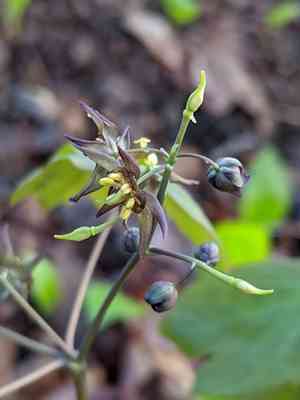
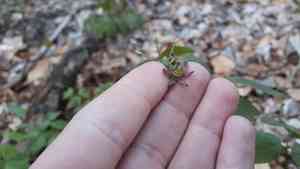
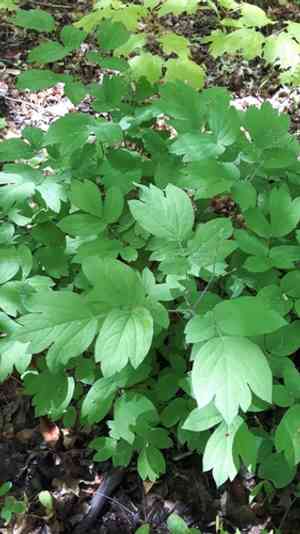
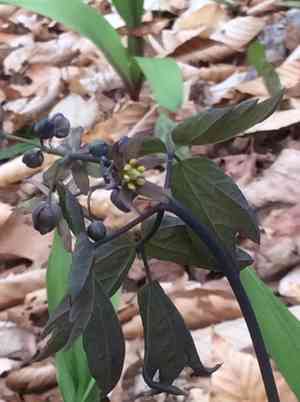
Quickly Identify Giant blue cohosh
1
Look for tall, stout stems that can reach up to 1 meter, with large, compound leaves that are deeply lobed. The plant produces small, greenish-yellow flowers in early spring followed by conspicuous blue berries.
Scientific Classification of Giant blue cohosh
Phylum
Vascular plants
Class
Dicotyledons
Order
Ranunculales
Family
Barberry
Genus
Blue Cohosh
Species
Giant blue cohosh
Planting and Growing of Giant blue cohosh
Care Difficulty
Moderate
Watering Schedule
Every 2 days
Sunlight Requirements
Full shade
Sunshine Duration
6-10 hours
Ideal Temperature
50-65℉
Soil Type
Potting Mix, Peat Mix
Soil pH
6.5-7.5
Fertilizer Type
Balanced
Pruning Season
Spring, Summer
Pruning Area
Branches, Leaves
Pruning Frequency
2 times a year
Repotting Season
Spring
Pot Type
Plastic, Ceramic
 How to Water Giant blue cohosh?
Caulophyllum giganteum thrives when watered with about 250 milliliters per session. The goal is to evenly moisten the soil without making it waterlogged. Check that the soil remains damp about an inch deep to ensure humidity without suffocating the roots with too much moisture. Always allow the top layer of soil to dry slightly between watering to provide optimal growth conditions.
What are the symptoms of an underwatered Giant blue cohosh?
›
What should I do if my Giant blue cohosh is not getting enough water?
›
What are the symptoms of an overwatered Giant blue cohosh?
›
How to save an overwatered Giant blue cohosh?
›
 What Are the Sunlight Requirements for Giant blue cohosh?
The ideal light range for Caulophyllum giganteum, which spans between full shade and partial sun, is essential for facilitating proper growth and photosynthesis. Optimizing this light range provides the plant with the energy it needs to develop robust foliage, increase its bloom potential, and maintain healthy physiology.
More About Sunlight Requirements Techniques→
How much light is best for Caulophyllum giganteum?
›
What are the benefits of providing ideal lighting?
›
How to achieve the ideal lighting conditions?
›
 What Is the Ideal Temperature Range for Giant blue cohosh?
The ideal temperature range for Caulophyllum giganteum lies between 50°F to 65°F. This range provides optimal conditions for the growth and health of the plant, ensuring it receives a balanced environment with stable temperatures that mimic its natural habitat.
 What Soil is Best for Giant blue cohosh?
Caulophyllum giganteum thrives in moist soil conditions. The ability of loam and peat soil to retain moisture ensures this plant stays hydrated without becoming waterlogged, promoting healthy growth. A nutrient-rich environment is crucial for Caulophyllum giganteum. Loamy soil is known for its ability to provide essential nutrients, supporting robust foliage and vibrant flowering. While moisture is important, good drainage is equally vital to prevent root rot. Loam and peat soils offer ideal drainage properties that balance hydration and aeration.
 How to Fertilize Giant blue cohosh?
For Caulophyllum giganteum, use a balanced liquid fertilizer at a concentration of 1/2 the recommended strength. This quantity is sufficient to nourish the plant without overwhelming its root system, given its moderate nutrient needs.
 How to Prune Giant blue cohosh?
Start by examining the plant to identify any dead, diseased, or damaged stems. These should be removed first to enhance air circulation and light penetration within the plant, fostering a healthy growth environment. Make clean cuts at a 45-degree angle to prevent water from accumulating on the cut surface, which can lead to rot. Trim back to just above a leaf node or bud to encourage new growth in desired directions. Regularly monitor the plant after pruning to ensure any signs of stress or disease are quickly addressed. Nutrient-rich mulch can be added to the base to help the plant recover and thrive after pruning.
More About Pruning Techniques→
 How to Propagate Giant blue cohosh plant?
1
Collect seeds from mature plants in the autumn. Clean and dry them thoroughly. Store in a cool dry place if not sowing immediately. This ensures viability for future planting.
2
In early spring, fill seed trays with a well-draining soil mix. Sow seeds thinly and cover lightly with soil. Water gently to keep the substrate moist until germination, which may take a few weeks.
3
In late autumn, select a healthy clump and dig around it with a garden trowel. Gently lift and split the plant into sections, ensuring each has roots attached. Replant immediately into prepared soil.
 How to Repot Giant blue cohosh plant?
1
Caulophyllum giganteum shows that it's time for repotting when it becomes root-bound or growth slows considerably. Early spring is ideal as the plant is just coming out of dormancy and can quickly adapt to its new pot.
2
Select a pot that is one size larger than its current container with proper drainage holes. This allows room for growth without overwhelming the plant. The additional space will provide nutrients and help prevent root rot due to excess water.
3
Choose a soil mix rich in nutrients with excellent drainage capabilities. A mix comprising equal parts of potting soil, compost, and perlite is ideal. This balance supports robust growth while preventing waterlogging, which can damage roots.
Learn More About Giant blue cohosh Diseases
Anthracnose
Bacterial Leaf Spot
Bacterial Soft Rot
Bacterial Wilt
Chemical Injury
Crown Gall
Cyst Nematode
Damping-off
Downy Mildew
Drought Stress
Fusarium Wilt
Gray Mold
Leaf Curl
Leaf Spot
Mosaic
Nutrient Deficiency
Nutrient Toxicity
Powdery Mildew
Root Rot
Root-knot Nematode
Rusts
Sooty Mold
Spider Mites
Temperature Stress
Thrips Damage
White Mold



