How to Transplant Payson's wild cabbage?
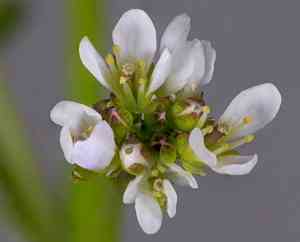
Payson's wild cabbage, an annual species, flourishes most effectively when relocated during the peak of its cultivation period. Select a bright spot with soil that drains efficiently for peak development. Verify the surroundings are devoid of frost and gradually introduce the plant before its final placement.
What Preparations are Needed Before Transplanting Payson's Wild Cabbage?
What is the Ideal Time for Transplanting Payson's Wild Cabbage?
The best period to relocate payson's wild cabbage is from early to mid-spring, as warmer temperatures and increased daylight encourage strong root development and vigorous growth. Moving them during this time ensures payson's wild cabbage establishes well before summer heat, reducing stress and improving survival.
How Much Space Should You Leave Between Payson's Wild Cabbage Plants?
When moving payson's wild cabbage, ensure each plant is spaced 12-18 inches (30-45 cm) apart. This provides ample room for growth without crowding, helping them flourish.
What is the Best Soil Mix for Payson's Wild Cabbage Transplanting?
Prepare well-drained, rich soil for relocating payson's wild cabbage. Incorporate organic compost or a balanced slow-release fertilizer to supply essential nutrients for healthy development.
Where Should You Relocate Your Payson's Wild Cabbage?
Select a sunny spot for transplanting payson's wild cabbage. These plants thrive best with at least 6-8 hours of direct sunlight daily.
What Equipments Should You Prepare Before Transplantation Payson's Wild Cabbage?
Gardening Gloves
To safeguard your hands while handling soil and plants.
Shovel or Spade
To carefully excavate the plant and create space for relocation.
Hand Trowel
Useful for digging small holes for young plants or seedlings.
Watering Can or Hose
For hydrating the plant before and after its move.
Compost or Organic Matter
To enhance the soil quality in the new planting area.
Mulch
To help maintain soil moisture and deter weeds around the newly planted specimen.
Plant Labels
To mark the new position of your relocated plants.
How Do You Remove Payson's Wild Cabbage from the Soil?
How Do You Remove Payson's Wild Cabbage from the Soil?
From Ground: First, moisten the payson's wild cabbage plant's soil. This eases digging and lessens plant stress. Use a shovel or spade to dig a wide circle around the plant, carefully keeping the root ball intact. Gently work the spade beneath the root ball and lift the plant from the ground.From Pot: Hydrate the payson's wild cabbage plant and gently tap the pot's sides to loosen the soil. Carefully invert the pot, supporting the plant with your hand, and gently extract it. Be sure to avoid root damage.From Seedling Tray: Water seedlings thoroughly before removal. Use a hand trowel or small garden fork to carefully lift each seedling from the tray, ensuring the root system remains intact. Gently separate tangled seedlings, taking care not to break roots.
Step-by-Step Guide for Transplanting Payson's Wild Cabbage
Site Selection
Choose a spot with adequate sunlight and room for your payson's wild cabbage plant to reach its full size.
Prepare the Soil
Improve the soil with compost or organic material to ensure it is fertile and retains moisture.
Dig the Hole
Excavate a hole in the new location that is twice as wide and as deep as the payson's wild cabbage plant's root ball. This provides ample space for root expansion.
Place the Plant
Carefully position the payson's wild cabbage plant in the hole. The top of the root ball should be even with or slightly above the surrounding ground.
Fill and Firm
Backfill the hole with soil, gently compacting it around the roots to eliminate air pockets.
Water Thoroughly
Water the plant generously to help settle the soil around the roots and minimize transplant shock.
Mulch
Apply a layer of mulch around the plant's base to aid in moisture retention and prevent weed growth.
How Do You Care For Payson's Wild Cabbage After Transplanting?
Watering
Keep the soil around the payson's wild cabbage consistently damp, but not waterlogged, for the initial weeks post-transplant to encourage strong root establishment.
Monitoring
Regularly inspect the payson's wild cabbage plant for any signs of distress, such as wilting or discoloration, and address issues promptly.
Weed Control
Keep the area around the payson's wild cabbage plant clear of weeds to reduce competition for nutrients and water.
Mulching
Maintain a layer of mulch around the plant to assist with moisture retention and stabilize soil temperature.
Troubleshooting Common Issues with Payson's Wild Cabbage Transplantation.
When is the best time to transplant payson's wild cabbage?
The optimal time to relocate payson's wild cabbage is during early to mid-spring, when the weather is mild.
What is the ideal spacing for transplanting payson's wild cabbage?
Payson's wild cabbage should be spaced 12-18 inches (30-45 cm) apart to allow for healthy development.
How do I prepare the soil for payson's wild cabbage?
Ensure the soil drains well and enrich it with compost to provide nutrients.
How deep should I plant payson's wild cabbage?
Plant payson's wild cabbage at the same depth it was previously growing to avoid stress.
How do I protect payson's wild cabbage from transplant shock?
Water payson's wild cabbage thoroughly after planting and avoid disturbing its roots during the process.
Can I transplant payson's wild cabbage in full sun?
Yes, payson's wild cabbage thrives in full sun but can also endure partial shade conditions.
What should I do if payson's wild cabbage wilts after transplanting?
Ensure payson's wild cabbage receives sufficient water, especially during the first few weeks after relocation.
Do I need to fertilize payson's wild cabbage after transplanting?
You can apply a balanced, slow-release fertilizer to help payson's wild cabbage establish roots more effectively.
How often should I water payson's wild cabbage after transplanting?
Water payson's wild cabbage regularly, keeping the soil consistently moist but not saturated, particularly in the initial weeks.
What tools are recommended for transplanting payson's wild cabbage?
Use a hand trowel and gardening gloves to gently relocate payson's wild cabbage without damaging roots.



