How to Propagate Payson's wild cabbage?
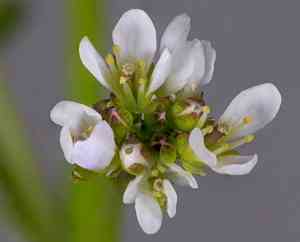
Payson's wild cabbage flourishes optimally in sandy, well-draining substrates under direct sunlight. To propagate, disperse seeds directly into the garden earth, ensuring a shallow covering. Preserve steady hydration, yet prevent excessive saturation. Seed sprouting can be improved by chilling seeds at 4°C. Safeguard young plants from infestations and ailments to guarantee robust development. Consult regional gardening recommendations to customize conditions for your specific locale.
When Is the Best Time To Propagate Payson's Wild Cabbage?
Propagation Type
Seeding
Propagation Season
Spring
What Tools Are Used in Payson's Wild Cabbage Propagation?
Seed Trays
Seed trays are crucial for germinating payson's wild cabbage seeds. They offer a controlled environment for young seedlings to sprout and develop before being transplanted. Select trays with good drainage to avoid waterlogging.
Sterilized Potting Mix
A sterilized potting mix lowers the chance of disease, ensuring payson's wild cabbage seedlings are not exposed to harmful pathogens. It provides a balanced medium with proper aeration and moisture retention for successful seed germination.
Fine Mist Sprayer
A fine mist sprayer is perfect for watering payson's wild cabbage seeds and young seedlings without disturbing them. It ensures even moisture distribution, which is vital during the initial growth phases.
Heat Mat
A heat mat provides consistent bottom warmth, encouraging faster and more uniform seed germination for payson's wild cabbage. Maintaining an ideal soil temperature is essential for successful propagation.
Humidity Dome
A humidity dome helps maintain high moisture levels around payson's wild cabbage seeds and seedlings, which is crucial for preventing drying out and ensuring proper germination and growth.
Seed Label Markers
Label markers are important for tracking different plant species and their planting dates. Accurate labeling helps monitor the progress and specific needs of payson's wild cabbage during its propagation stages.
Hand Trowel
A hand trowel is useful for transplanting seedlings from the seed tray to their permanent growing location. It allows for careful handling of payson's wild cabbage's delicate root systems, minimizing transplant shock.
Pencil or Dibber
Used to create planting holes for seeds, a pencil or dibber ensures that payson's wild cabbage seeds are sown at the correct depth and spacing, which is critical for their development and avoidance of overcrowding.
How to Propagate Payson's Wild Cabbage?
Propagation Type
Simple
How to Care for Your Newly Propagated Payson's Wild Cabbage?
How to Care for Your Newly Propagated Payson's Wild Cabbage?
After germination, gradually introduce payson's wild cabbage seedlings to outdoor conditions by exposing them to direct sunlight for increasing durations daily. Continue to water regularly, ensuring the soil remains well-drained. Once established, payson's wild cabbage requires minimal watering and thrives in full sun. Monitor for pests and signs of disease, applying organic treatments as needed. Mulch around the base to retain moisture and control weeds. Regularly check the soil for moisture levels, especially during dry periods.
Common Mistakes to Avoid When Propagating Payson's Wild Cabbage
Overwatering
Excessive watering can lead to root rot, as payson's wild cabbage prefers well-drained soil. Too much moisture can suffocate the roots, leading to plant decline.
Improper Soil Selection
Payson's wild cabbage requires well-drained, sandy or rocky soils. Using heavy, clay-based soil can hinder root penetration and increase the risk of waterlogging.
Insufficient Light
Payson's wild cabbage thrives in full sunlight. Inadequate light can result in weak, leggy growth and poor flowering.
Incorrect Planting Depth
Planting seeds or cuttings too deep can prevent successful germination or rooting, hindering propagation efforts.
Neglecting Pest Control
Payson's wild cabbage can be susceptible to pests like aphids and flea beetles. Failure to monitor and control pests can lead to significant damage.
Tips For Propagating Payson's Wild Cabbage
Optimal Watering
Water the plants sparingly and allow the soil to dry out between watering to prevent root rot.
Soil Quality
Use well-drained, sandy or rocky soil to ensure proper drainage and root health.
Adequate Sunlight
Ensure payson's wild cabbage receives full sunlight for at least 6-8 hours a day to promote robust growth and flowering.
Proper Planting Techniques
Plant seeds or cuttings at an appropriate depth â just enough to cover them with a thin layer of soil.
Regular Pest Monitoring
Inspect plants regularly for pests and take action immediately if any are found to prevent infestations.



