How to Transplant California jewelflower?
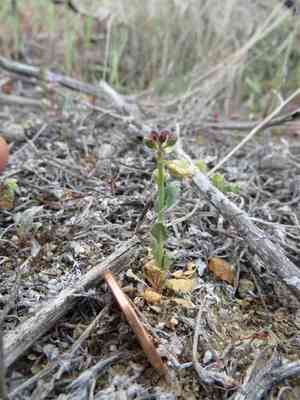
Relocate california jewelflower during the prime window, spanning from early spring's mild temperatures to its peak. Select a bright, adequately draining spot. Verify the ground isn't saturated and allow ample room for optimal development.
What Preparations are Needed Before Transplanting California Jewelflower?
What is the Ideal Time for Transplanting California Jewelflower?
For california jewelflower, the optimal transplanting window extends from early to late spring. During this period, moderate temperatures and increased moisture aid in root establishment and development. Moving california jewelflower at this time boosts survival rates and ensures vigorous growth throughout its yearly cycle.
How Much Space Should You Leave Between California Jewelflower Plants?
When relocating california jewelflower, ensure ample room for growth. Position each plant 12-18 inches (30-45 cm) apart. This spacing allows sufficient area for root expansion and promotes good air circulation, reducing disease risk.
What is the Best Soil Mix for California Jewelflower Transplanting?
For california jewelflower, prepare a well-draining soil, ideally a sandy or loamy type. Incorporate compost or a balanced, slow-release fertilizer to enrich the soil with essential nutrients. This provides a strong base for your plants to flourish.
Where Should You Relocate Your California Jewelflower?
Select a sunny location for california jewelflower, as they need full sun to thrive. Ensure the chosen spot receives at least 6-8 hours of direct sunlight daily. This helps them develop robustly and healthily.
What Equipments Should You Prepare Before Transplantation California Jewelflower?
Gardening Gloves
To safeguard your hands while handling soil and plants.
Small Shovel or Trowel
For digging around the plant and loosening the earth.
Spade or Larger Shovel
To excavate a new planting hole for the transplant.
Watering Can
To hydrate the plant before, during, and after its relocation.
Wheelbarrow or Large Bucket
To move the plant from its original spot to the new site.
Mulch
To help maintain soil moisture around the newly transplanted plant.
How Do You Remove California Jewelflower from the Soil?
How Do You Remove California Jewelflower from the Soil?
From Ground: First, moisten the california jewelflower plant's soil. Then, using a small shovel or trowel, dig a wide trench around the plant, keeping its root ball intact. Carefully work the shovel beneath the root ball to lift the plant from its initial position.From Pot: Water the california jewelflower plant thoroughly before removal. Gently tap the pot's sides to loosen the soil. Hold the plant's base carefully and slowly extract it from the pot, ensuring roots remain undamaged.From Seedling Tray: Water the seedlings well. Use a small tool or your fingers to gently lift the seedlings, being careful not to harm the roots. Hold seedlings by their leaves, never the stem, to prevent injury.
Step-by-Step Guide for Transplanting California Jewelflower
Plant Removal
Follow the correct procedure for extracting the california jewelflower plant from its initial spot, ensuring the root ball remains intact with minimal disruption.
Prepare New Location
Excavate a hole in the new site that is slightly larger than the california jewelflower plant's root ball. Ensure the hole is deep enough to comfortably accommodate the root system.
Transplant the Plant
Place the california jewelflower plant into the new hole, making sure it sits at the same depth as it was previously. Backfill the hole with soil, gently pressing around the base to eliminate air pockets.
Water Thoroughly
Water the plant generously immediately after transplanting to help the soil settle around the roots.
Mulch
Apply a layer of mulch around the base of the california jewelflower plant to aid in moisture retention and soil temperature regulation.
How Do You Care For California Jewelflower After Transplanting?
Watering
Keep the soil around the california jewelflower consistently damp but not waterlogged for the initial weeks to promote strong root development.
Monitoring
Regularly check for indications of stress, such as wilting or yellowing foliage, and adjust care routines as needed.
Weed Control
Maintain the area around the california jewelflower free of weeds to reduce competition for nutrients and water.
Troubleshooting Common Issues with California Jewelflower Transplantation.
When should I transplant california jewelflower?
Relocate california jewelflower from early spring to late spring for optimal outcomes.
How far apart should I space california jewelflower?
Space california jewelflower plants 12-18 inches (30-45 cm) apart to ensure proper development.
What soil type does california jewelflower prefer?
California jewelflower thrives in well-draining, sandy or loamy soil with good fertility.
How do I prepare the soil for california jewelflower?
Loosen the soil and incorporate compost for improved drainage and nutrient levels.
What should I do if california jewelflower wilts after transplanting?
Ensure adequate hydration but avoid waterlogging. Provide some shade if sunlight is too intense.
How deep should I plant california jewelflower seedlings?
Plant california jewelflower seedlings at the same depth they were growing in their original containers.
Can I use fertilizer when transplanting california jewelflower?
Yes, apply a balanced, all-purpose fertilizer during transplanting to encourage robust growth.
How often should I water california jewelflower after transplanting?
Water california jewelflower regularly to keep the soil consistently moist but not saturated.
What should I do if california jewelflower develops yellow leaves?
Check for overwatering or nutrient deficiencies and adjust irrigation or fertilization accordingly.
How do I protect california jewelflower from pests after transplanting?
Inspect frequently for pests and use insecticidal soap or neem oil if necessary.



