How to Propagate California jewelflower?
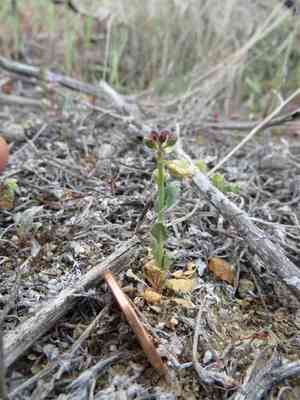
California jewelflower is an uncommon and native variety primarily located in particular areas of California. To cultivate california jewelflower, plant seeds in substrate that drains effectively. Confirm the growing medium remains adequately damp, yet not oversaturated. It is crucial to offer a site with ample solar exposure and shield nascent plants from harsh climatic elements. These actionable recommendations guarantee effective propagation, concurrently preserving genetic variation and aiding preservation initiatives.
When Is the Optimal Time to Propagate California Jewelflower?
Propagation Method
Seeding
Propagation Period
Spring
What Equipment Is Used for California Jewelflower Propagation?
Seed Trays
Seed trays provide a controlled setting for sowing california jewelflower seeds, ensuring even distribution and proper spacing. They also aid in monitoring germination and initial growth.
Seed Starting Mix
A sterile, well-draining seed starting mix prevents disease and offers a healthy growth medium for california jewelflower seedlings. It ensures proper moisture retention while avoiding saturation.
Mist Sprayer
A mist sprayer delivers a fine water spray, keeping the soil consistently moist without disturbing delicate california jewelflower seeds. Consistent moisture is vital for germination and seedling development.
Heated Propagation Mat
A heated mat placed beneath seed trays provides consistent warmth, promoting faster and more uniform germination of california jewelflower seeds. It is especially useful in cooler climates.
Seedling Heat Mat Thermostat
This thermostat regulates the heated mat's temperature, ensuring it remains within optimal ranges for california jewelflower seed germination. Proper temperature control prevents overheating or insufficient heat.
Humidity Dome
A humidity dome placed over seed trays maintains high humidity levels, mimicking the natural environment needed for california jewelflower seed germination. It reduces evaporation and keeps the air around seedlings moist.
Cell Packs
Cell packs allow individual california jewelflower seedlings to develop strong root systems without competition from nearby plants. They simplify transplanting and minimize root disturbance.
Plant Labels
Using plant labels helps track different plantings and their germination progress. It's particularly useful for california jewelflower to record important dates and specific care instructions.
Pricking-out Tool
A small pricking-out tool, such as a dibber or widger, assists in transferring seedlings from seed trays to individual pots or cell packs with minimal root disturbance, crucial for the delicate roots of california jewelflower.
Grow Lights
Grow lights provide the necessary light spectrum for healthy growth of california jewelflower seedlings, especially indoors or in low-light conditions. They prevent seedlings from becoming leggy and ensure uniform growth.
Self-Watering Seedling Trays
These trays help maintain consistent soil moisture levels, which is vital for the even growth and development of california jewelflower seedlings, reducing the need for frequent manual watering.
How to Propagate California Jewelflower?
Propagation Difficulty
Simple
How to Care for Your Newly Propagated California Jewelflower?
How to Care for Your Newly Propagated California Jewelflower?
After germination and once seedlings are large enough, thin them to prevent overcrowding. Transplant the strongest seedlings to individual pots or directly to their permanent garden spot. Ensure they are in well-draining soil and a location receiving full sun to partial shade. Water regularly, but allow the soil to dry between waterings. Monitor for pests and diseases, taking appropriate action if needed. As california jewelflower is adapted to dry conditions, gradually reduce watering as plants mature.
Common Mistakes to Avoid When Propagating California Jewelflower
Overwatering
Excessive moisture can lead to root rot and impede plant development. California jewelflower prefers well-drained soil conditions.
Improper Soil Type
Using unsuitable soil can limit nutrient availability and impact root health. California jewelflower thrives best in sandy or loamy soils.
Inadequate Light
Insufficient sunlight can result in weak growth and poor flowering. California jewelflower requires full sun for optimal growth.
Neglecting Pest Control
Ignoring pest management can lead to infestations that could harm young plants. Aphids and caterpillars are common pests.
Incorrect Spacing
Planting too closely can cause overcrowding, hindering growth and air circulation. California jewelflower requires adequate spacing to flourish.
Tips For Propagating California Jewelflower
Use Well-Drained Soil
Ensure soil has good drainage to prevent waterlogging. Mixing sand or perlite can enhance drainage.
Adequate Watering
Water moderately, keeping the soil moist but not saturated. Allow the top inch of soil to dry out between waterings.
Full Sun Exposure
Place propagating plants in a location where they will receive at least six hours of direct sunlight daily.
Monitor for Pests
Regularly check for pests and treat infestations promptly with appropriate organic or chemical controls.
Proper Spacing
Maintain adequate spacing between plants to ensure good air circulation and reduce competition for nutrients.



