How to Transplant Silver-leaved cathaya?
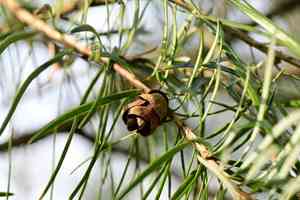
The ideal period for relocating silver-leaved cathaya is within the mild warmth of early summer's radiance or the gentle chill of early winter's commencement, facilitating root integration. Select a location offering filtered light and sufficient room, accounting for its full-grown dimensions for subsequent development.
Essential Preparations for Relocating Silver-leaved Cathaya
Optimal Timing for Moving Silver-leaved Cathaya
The best period to relocate silver-leaved cathaya is during the mild conditions of late spring or the gentle beginning of early autumn. This timing is crucial because the moderate temperatures and stable weather during these transitional phases offer ideal circumstances for silver-leaved cathaya to establish roots without the severe stress of intense summer heat or winter cold. Transplanting within these windows encourages robust root development, giving silver-leaved cathaya a strong start in its new spot.
Required Spacing Between Silver-leaved Cathaya Plants
Allow your silver-leaved cathaya ample room to thrive! Aim for a spacing of 15-20 feet (4.5-6 meters) between them. This ensures they have sufficient area to grow large and healthy without competing for essential nutrients or sunlight.
Ideal Soil Mixture for Silver-leaved Cathaya Transplanting
Prior to planting your silver-leaved cathaya, prepare the soil to ensure it is well-draining and rich in nutrients. A blend of garden soil and compost will create a welcoming foundation. Incorporating a balanced slow-release fertilizer will provide silver-leaved cathaya with an excellent head start!
Selecting a New Location for Your Silver-leaved Cathaya
Choose a sunny location for your silver-leaved cathaya, as they thrive in sunlight! An area receiving partial to full sun will be perfect. A little afternoon shade would be beneficial, especially in warmer climates.
Tools Needed Before Transplanting Silver-leaved Cathaya
Shovel or Spade
For excavating the plant and creating a hole in its new position.
Gardening Gloves
To safeguard your hands while handling soil and the plant.
Wheelbarrow or Garden cart
For transporting the plant and soil.
Pruning Shears
To carefully trim any damaged roots or overgrown branches.
Watering Can or Hose
To hydrate the plant both before and after its relocation.
Tarp or Burlap
To safeguard and move the root ball.
Stakes and Tree Ties
To provide support for silver-leaved cathaya if needed post-transplant.
Method for Extracting Silver-leaved Cathaya from the Soil
Method for Extracting Silver-leaved Cathaya from the Soil
From Ground: Lightly water silver-leaved cathaya to make the soil easier to manage. Carefully dig a perimeter around the plant, maintaining a wide distance to prevent damage to the root system. Gently lift the plant from the ground with the shovel or spade, keeping the root ball as intact as possible.From Pot: Begin by watering silver-leaved cathaya to loosen the roots from the pot's sides. Tilt the pot horizontally and gently tap it to help release the plant. Support the plant by its base and carefully guide it out of the pot.From Seedling Tray: Water the seedlings to ensure the soil is moist. Use a spoon or small implement to carefully lift each silver-leaved cathaya plant from its individual cell, minimizing root disturbance.
Detailed Steps for Transplanting Silver-leaved Cathaya
Preparation
Thoroughly water your silver-leaved cathaya before beginning the transplant process to help reduce shock and facilitate removal.
Digging the Hole
At the new site, excavate a hole that is twice the width and the same depth as the silver-leaved cathaya's root ball to allow roots to spread easily.
Plant Removal
Utilize the appropriate removal technique for your silver-leaved cathaya, whether it's from the ground, a pot, or a seedling tray.
Placement
Position silver-leaved cathaya in the center of the newly dug hole. Ensure the plant stands upright and is at the same depth it was previously growing. Adjust the depth by adding or removing soil as necessary.
Filling In
Gently backfill the hole with soil around the root ball. Lightly pat down the soil to eliminate air pockets, but avoid compacting it too firmly.
Supporting
If silver-leaved cathaya is top-heavy or in a windy location, insert stakes around it and secure the plant with tree ties for support.
Watering
Thoroughly water silver-leaved cathaya after planting to settle the soil around the roots and aid in recovery from transplant shock.
Post-Transplant Care for Silver-leaved Cathaya
Watering
Maintain consistent soil moisture, especially during the initial weeks, to assist silver-leaved cathaya in its recovery. Allow the top inch of soil to dry between waterings.
Mulching
Apply a 2-3 inch layer of mulch around the base of silver-leaved cathaya to retain moisture and regulate soil temperature, but keep it away from the stem to prevent rot.
Pruning
Trim any damaged or broken branches to encourage new growth and maintain a neat appearance for silver-leaved cathaya.
Monitoring
Observe silver-leaved cathaya for signs of stress, such as wilting or yellowing leaves, and adjust care as needed.
Staking
Regularly check any supports to ensure they are secure but not overly tight, which could harm silver-leaved cathaya's stem or branches.
Addressing Common Issues During Silver-leaved Cathaya Transplantation
What is the optimal period for transplanting silver-leaved cathaya to ensure successful growth?
The best times for transplanting silver-leaved cathaya are from late spring to early summer and from late fall to early winter, allowing for root establishment during mild temperatures.
What is the recommended spacing for silver-leaved cathaya during transplanting?
Ideally, space silver-leaved cathaya approximately 15-20 feet (4.5-6 meters) apart to ensure they have ample room to achieve their full growth potential.
Why are my transplanted silver-leaved cathaya wilting after being moved?
Wilting can result from root damage or insufficient watering. Ensure your silver-leaved cathaya is adequately watered and that the root ball remains undamaged during the transplant process.
Is it necessary to amend the soil when transplanting silver-leaved cathaya?
Yes, enriching the existing soil with compost can supply silver-leaved cathaya with the nutrients required for healthy development.
How deep should I dig when transplanting silver-leaved cathaya?
Dig a hole twice as wide and the same depth as the root ball of silver-leaved cathaya to encourage root expansion without burying it too deeply.
Can I transplant silver-leaved cathaya on a hot, sunny day?
It is preferable to transplant silver-leaved cathaya on an overcast day or in the late afternoon to minimize stress from heat and sun exposure on the plant.
How much water does silver-leaved cathaya require after transplanting?
Water silver-leaved cathaya thoroughly after planting, ensuring moisture reaches the roots, and maintain consistent moisture until the plant is established.
Why is proper spacing important when transplanting silver-leaved cathaya?
Correct spacing allows silver-leaved cathaya to flourish without competing for light, water, and nutrients, and promotes good air circulation.
What indicators suggest transplant shock in silver-leaved cathaya?
Symptoms of transplant shock include drooping leaves, discoloration, and stunted growth. Mitigate this by ensuring consistent care and appropriate transplanting techniques.
How can I tell if silver-leaved cathaya has adapted to its new location?
Look for signs of new growth, such as fresh leaves or branches, which indicate that silver-leaved cathaya is successfully adjusting to its new environment.



