Enhancing Your Garden Design with the Silver-leaved cathaya Plant: A Landscaping Guide
1
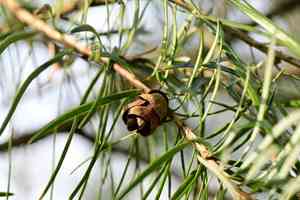
The Silver-leaved cathaya offers a unique aesthetic with its silvery foliage.
2
Strategic placement of Silver-leaved cathaya improves both the beauty and ecological advantages of gardens.
3
Given appropriate attention, Silver-leaved cathaya can remain a durable element in your outdoor space.
Introducing Silver-leaved Cathaya to Landscape Design
Overview of Silver-leaved Cathaya's characteristics influencing landscape aesthetics
Discover the allure of Silver-leaved Cathaya, a remarkable addition to any garden scheme. This distinctive plant is celebrated for its silvery foliage, which reflects light and imparts elegance to outdoor areas. Typically growing as a medium-sized tree, Silver-leaved Cathaya can achieve impressive heights, making it a prominent feature in landscaping endeavors. Its evergreen nature guarantees year-round appeal, offering visual interest even during colder periods. Moreover, Silver-leaved Cathaya exhibits a balanced growth habit, making it suitable for structured garden layouts.
Advantages of integrating Silver-leaved Cathaya into landscape projects
Incorporating Silver-leaved Cathaya into your landscape provides numerous benefits. Beyond its visual charm, Silver-leaved Cathaya is recognized for its ecological contributions. It offers shelter and sustenance for various wildlife, fostering biodiversity within your garden. Additionally, its dense canopy can serve as a natural windbreak, shielding other garden plants from harsh weather. Silver-leaved Cathaya's root system aids in soil stabilization, which is particularly useful for preventing erosion on sloped or uneven terrain. Ultimately, utilizing Silver-leaved Cathaya contributes to a harmonious and sustainable garden environment.
Designing with Silver-leaved Cathaya: Optimal Practices
Choosing the appropriate site for Silver-leaved Cathaya in your garden
Selecting the perfect spot for Silver-leaved Cathaya is crucial for maximizing its health and aesthetic impact. Position Silver-leaved Cathaya in an area receiving partial to full sun, as it thrives best under these conditions. Ensure the location has well-draining soil to prevent root rot, a common issue in poorly drained sites. Furthermore, consider Silver-leaved Cathaya's mature dimensions when planning its placement to avoid overcrowding with other plants. Placing Silver-leaved Cathaya as a backdrop or a central element can leverage its height and spread, creating a layered effect in your garden design.
Companion plants and features to pair with Silver-leaved Cathaya
Pairing Silver-leaved Cathaya with suitable plants and elements can amplify its visual appeal. Contrast Silver-leaved Cathaya's silver leaves with plants featuring deep green, purple, or red foliage to create a striking visual contrast. Perennials such as hostas, heucheras, and ornamental grasses make excellent companions. Integrating hardscape elements like stone paths, wooden benches, or even water features near Silver-leaved Cathaya can complement its natural beauty and establish a cohesive garden layout. Applying mulch around Silver-leaved Cathaya's base not only retains soil moisture but also accentuates its unique leaf color.
Seasonal considerations for Silver-leaved Cathaya placement
Understanding your garden's seasonal changes is vital when positioning Silver-leaved Cathaya. This plant remains evergreen, providing consistent color throughout the year. However, consider its performance across the seasons. For instance, during heavy rainfall or snow, ensure Silver-leaved Cathaya is not in an area prone to waterlogging, which can be detrimental to its well-being. In warmer months, Silver-leaved Cathaya can offer much-needed shade for perennials and annuals, aiding in temperature regulation and reducing water loss through evaporation. Planning for seasonal variations ensures Silver-leaved Cathaya remains a resilient and central element of your garden landscape.
Maintenance Advice for Silver-leaved Cathaya in Your Landscape
Essential care tips for Silver-leaved Cathaya's longevity
Maintaining Silver-leaved Cathaya involves several key practices that guarantee its long-term health and vigor. Consistent watering, especially during dry periods, helps keep the soil adequately moist. Mulching around the base preserves soil moisture and reduces weed competition. Annual pruning is vital to remove any dead or damaged branches, encouraging new growth and maintaining its form. Fertilizing Silver-leaved Cathaya with a balanced feed in spring can supply the necessary nutrients for robust health. Monitoring for pest and disease outbreaks also aids in early intervention and treatment, protecting your plant.
Addressing common problems encountered with Silver-leaved Cathaya in landscapes
Even with optimal care, Silver-leaved Cathaya may encounter some typical issues. Root rot is a significant concern in poorly drained soils, so amending the soil or improving drainage can alleviate this problem. Watch out for pests like aphids or scale insects; treating infestations early with organic insecticides or neem oil can prevent substantial damage. Fungal diseases may also affect Silver-leaved Cathaya's leaves, but proper spacing and airflow along with fungicide treatments can control their spread. Regular inspections and prompt action are crucial for maintaining Silver-leaved Cathaya's health and ornamental value.
Creative Concepts for Integrating Silver-leaved Cathaya in Landscapes
Innovative design themes and concepts utilizing Silver-leaved Cathaya
Unleash your creativity by incorporating Silver-leaved Cathaya into various design themes. For a contemporary minimalist garden, use Silver-leaved Cathaya as a solitary focal point against a sleek, uncluttered background. In a woodland garden, pair Silver-leaved Cathaya with other evergreen and deciduous trees to create a naturalistic setting. Silver-leaved Cathaya also fits well in Japanese garden themes, where its symmetrical form can complement stone lanterns, koi ponds, and bamboo features. Experimenting with different themes allows you to showcase Silver-leaved Cathaya's adaptability and enhances your garden's unique character.
Examples of successful landscapes featuring Silver-leaved Cathaya
Seeking inspiration? There are numerous instances of thriving landscapes incorporating Silver-leaved Cathaya. In botanical gardens, Silver-leaved Cathaya is often used in mass plantings, creating lush, silver-toned canopies that visitors can stroll beneath. Private gardens might employ Silver-leaved Cathaya as a privacy screen along property boundaries, combining utility with beauty. Some urban landscapes integrate Silver-leaved Cathaya into rooftop gardens, where its moderate size and year-round foliage add a touch of nature in city environments. These examples demonstrate Silver-leaved Cathaya's versatility and effectiveness in diverse landscape designs.



