How to Transplant Sea-fern grass?
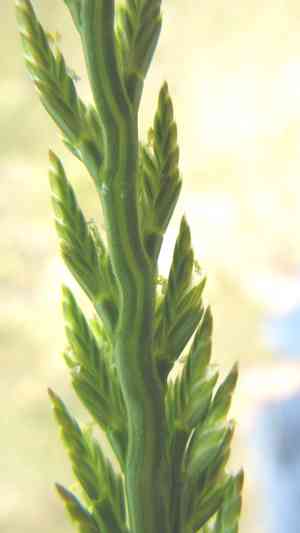
Sea-fern grass flourishes most effectively when relocated during the revitalizing period of early spring. Select a bright, adequately drained spot for its peak development. Verify that the earth remains damp yet not oversaturated to facilitate proper rooting. Enjoy your gardening endeavors!
What Preparations are Needed Before Transplanting Sea-fern Grass?
What is the Ideal Time for Transplanting Sea-fern Grass?
The best time to move sea-fern grass, an annual, is during early spring. This period offers mild temperatures and increasing daylight, which helps the plant establish itself quickly before the summer heat. Transplanting then promotes strong root development and overall plant health, leading to better growth and resilience.
How Much Space Should You Leave Between Sea-fern Grass Plants?
For sea-fern grass, aim for a spacing of approximately 6 inches (15 cm) between each plant. This provides ample room for growth. Proper spacing aids air circulation and reduces the chance of disease.
What is the Best Soil Mix for Sea-fern Grass Transplanting?
Prepare well-drained sandy or loamy soil for sea-fern grass. Incorporate a phosphorus-rich base fertilizer to support root growth. A balanced fertilizer like 10-10-10 (N-P-K) should be effective. Mix it into the soil a few weeks prior to transplanting.
Where Should You Relocate Your Sea-fern Grass?
Select a sunny location for sea-fern grass. It thrives in full sun, requiring at least 6-8 hours of direct sunlight daily. This ensures the plant receives sufficient light for robust and healthy growth.
What Equipments Should You Prepare Before Transplantation Sea-fern Grass?
Gardening Gloves
To protect your hands when handling soil and plants.
Shovel or Spade
For digging around the plant and creating the planting hole in the ground.
Garden Fork
To gently lift and loosen the plant from its original spot.
Trowel
For more precise digging and transplanting tasks.
Watering Can or Hose
To water the plant before and after transplanting, ensuring adequate soil moisture.
Pruners
To trim any damaged or excess roots or foliage during the transplanting process.
Wheelbarrow or Bucket
To transport the plant if necessary.
How Do You Remove Sea-fern Grass from the Soil?
How Do You Remove Sea-fern Grass from the Soil?
From Ground: First, water the sea-fern grass plant to moisten the soil. Then, dig a wide trench around the plant using a shovel or spade, ensuring the plant's root ball remains intact. Carefully work the spade beneath the root ball to lift the plant from its original location.From Pot: Gently water the sea-fern grass plant to make the soil easier to manage. Turn the pot on its side and tap the bottom to release the root ball. If needed, run a trowel around the pot's edge to loosen the soil. Lift the plant from the pot, supporting the root ball with your hands.From Seedling Tray: Water the sea-fern grass seedling to facilitate removal. Use a pencil or a dibber to gently push from the tray's bottom to release the seedling. Handle seedlings by their leaves to avoid damaging the stems.
Step-by-Step Guide for Transplanting Sea-fern Grass
Preparing the New Site
Choose a spot with adequate sunlight and room for your sea-fern grass plant to reach its full size. Dig a hole that is twice as wide and the same depth as the plantâs root ball.
Removing the Plant
Refer to the detailed removal instructions above, based on the original location of your sea-fern grass plant.
Placing the Plant in the New Hole
Position the sea-fern grass plant in the center of the prepared hole. Ensure the top of the root ball is level with the surrounding soil surface. Fill the hole with soil, gently pressing it down to eliminate air pockets.
Watering the Plant
Water the sea-fern grass plant thoroughly after planting to help settle the soil and provide moisture to the roots. Use a gentle spray to prevent washing away soil or harming the plant.
Applying Mulch
Apply a thin layer of mulch around the base of the sea-fern grass plant, avoiding direct contact with the stem, to help retain soil moisture and regulate temperature.
How Do You Care For Sea-fern Grass After Transplanting?
Watering
Keep the soil around the sea-fern grass consistently moist, but not waterlogged, for the initial weeks after transplanting to aid in root establishment.
Monitoring
Regularly check the plant for any signs of transplant shock, such as wilting or yellowing leaves, and address them as needed (e.g., watering or providing shade).
Supporting
If the sea-fern grass plant is tall or top-heavy, use stakes or supports to help it stay upright while it establishes itself in its new location.
Mulching
Maintain the mulch layer and replenish it as necessary to continue protecting the roots and conserving soil moisture.
Pruning
Trim any damaged or wilted foliage to encourage healthy new growth and to direct the plantâs energy towards establishing strong roots.
Troubleshooting Common Issues with Sea-fern Grass Transplantation.
When is the best time to transplant sea-fern grass?
Transplant sea-fern grass in early spring for optimal results and vigorous growth.
How much space to leave between each sea-fern grass plant?
Ensure to space sea-fern grass plants 6 inches (15 cm) apart to allow for proper growth.
How deep should sea-fern grass be planted?
Plant sea-fern grass at the same depth it was in its original container to avoid stress.
What kind of soil is ideal for sea-fern grass?
Sea-fern grass thrives in well-draining, sandy soil to prevent waterlogging and ensure root health.
How to properly water sea-fern grass after transplanting?
Water sea-fern grass thoroughly after transplanting, then keep the soil consistently moist, but not soggy.
Should I trim sea-fern grass before transplanting?
Trimming sea-fern grass's foliage slightly before transplanting can reduce stress and promote recovery.
What temperature is best for transplanting sea-fern grass?
Transplant sea-fern grass when temperatures are mild, ideally between 60°F-70°F (15°C-21°C).
How to handle sea-fern grass roots during transplanting?
Be gentle with sea-fern grass's roots, ensuring they are not damaged or overly compacted.
Any special care for sea-fern grass after transplanting?
Provide partial shade for the first week to help sea-fern grass acclimate to its new location.
How to prevent transplant shock in sea-fern grass?
Avoid transplant shock by keeping sea-fern grass well-hydrated and minimizing root disturbance during the process.



