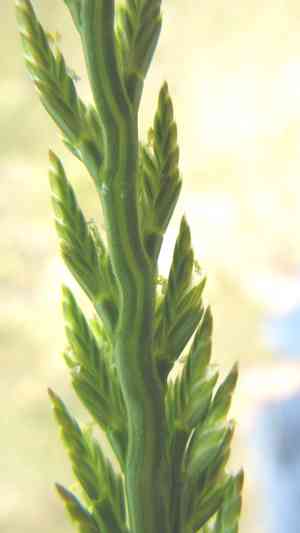
Sea-fern grass (Catapodium marinum)
Also known as: Sea Fern-grass, Sea Hard-grass
Sea-fern grass, or seagrass, thrives in salty coastal environments such as bays, estuaries, and shallow marine waters. This perennial plant adapts well to sandy and gravelly substrates, enduring high salt levels. With slender, bluish-green leaves and compact flower clusters, seagrass adds a unique texture to its coastal habitat. Its ability to withstand harsh conditions makes it a vital part of beach and dune ecosystems.
In This Article
Attributes of Sea-fern grass
Lifespan
Annual
Plant Type
Grass
Plant Height
10-30 cm
Spread
Not applicable for this grass species
Leaf Color
Green
Flower Size
0.5-1 cm
Flower Color
Green
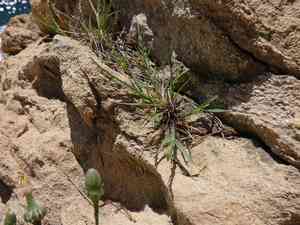
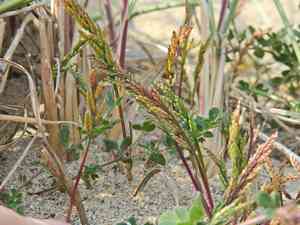
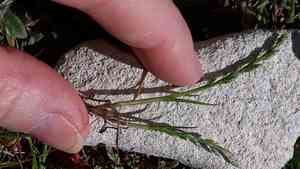
Images of Sea-fern grass
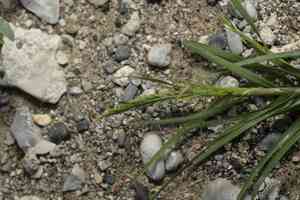
Quickly Identify Sea-fern grass
1
This plant can be identified by its narrow, wiry leaves and small, dense flower heads. The grass tends to form tufts and can withstand salty environments.
Scientific Classification of Sea-fern grass
Phylum
Vascular plants
Class
Monocotyledons
Order
Poales
Family
Grass
Genus
Catapodium
Species
Sea-fern grass
Planting and Growing of Sea-fern grass
Care Difficulty
Easy
Watering Schedule
Every 2 days
Sunlight Requirements
Full sun
Sunshine Duration
4-8 hours
Ideal Temperature
60-75℉
Soil Type
Potting Mix, Peat Mix
Soil pH
6.5-7.5
Fertilizer Type
Balanced
Pruning Season
Spring, Summer
Pruning Area
Branches, Leaves
Pruning Frequency
2 times a year
Repotting Season
Spring
Pot Type
Plastic, Ceramic
 How to Water Sea-fern grass?
Catapodium marinum prefers to be watered with around 100 milliliters each time. Ensure the soil is thoroughly moistened, but not waterlogged. The key is to maintain a balance where the soil remains moderately moist to mimic its natural environment.
What are the symptoms of an underwatered Sea-fern grass?
›
What should I do if my Sea-fern grass is not getting enough water?
›
What are the symptoms of an overwatered Sea-fern grass?
›
How to save an overwatered Sea-fern grass?
›
 What Are the Sunlight Requirements for Sea-fern grass?
Partial to full sun is ideal, allowing 4 to 8 hours of direct sunlight. This range optimizes photosynthesis, promoting the plant's vitality and robust growth habits.
What is the ideal lighting for Catapodium marinum?
›
How to achieve ideal lighting conditions for Catapodium marinum?
›
What benefits does ideal lighting provide to Catapodium marinum?
›
 What Is the Ideal Temperature Range for Sea-fern grass?
For optimal growth, Catapodium marinum thrives best in temperatures ranging from 60°F to 75°F. This range provides a warm and conducive environment, promoting healthy growth and development. Maintaining this temperature range will help ensure the plant's metabolic processes function effectively, leading to lush foliage and vigorous growth.
 What Soil is Best for Sea-fern grass?
Catapodium marinum thrives in well-drained soil which allows efficient water drainage, preventing root rot. This quality is essential for maintaining healthy roots and promoting robust growth. This plant prefers soil with moderate fertility, which provides the necessary nutrients without overwhelming it. Such balance facilitates optimal growth and maintains the plant's vitality. A sandy soil texture is ideal as it provides adequate aeration, which is crucial for root health, and mimics the plant’s natural coastal habitat, thus supporting its natural growth patterns.
 How to Fertilize Sea-fern grass?
For Catapodium marinum, a delicate balance in nutrient supply is crucial. Use a balanced liquid fertilizer diluted to a quarter of its recommended strength every two weeks during the growing season. This approach prevents nutrient burn and helps maintain optimal plant health without overloading the soil.
 How to Prune Sea-fern grass?
Begin by preparing clean and sharp pruning shears. Start by removing any dead or diseased stems first, cutting them back to the base. Next, trim away any crowded or crossing stems to improve the plant’s shape and structure. Always cut just above a node or bud to encourage healthy new growth. Finally, gently prune the plant’s overall shape to maintain its natural habit while ensuring it doesn’t become too dense.
 How to Propagate Sea-fern grass plant?
1
Fill your seed tray with a well-draining potting mix. Ensure the mix is moist but not waterlogged. This provides the initial growing environment necessary for seed germination.
2
Sprinkle Catapodium marinum seeds evenly across the surface of the potting mix. Lightly press them into the soil, but do not cover them as they require light for germination.
3
Water the seeds gently using a fine mist to prevent washing them away. Maintain consistent moisture levels without saturating the soil. Covering the tray with plastic wrap can help retain humidity.
 How to Repot Sea-fern grass plant?
1
Repotting Catapodium marinum should be considered when the plant's roots start to outgrow the current pot, evident by roots peeking out of the drainage holes. Another sign is when the plant shows stunted growth despite proper care, suggesting it's becoming root-bound.
2
Select a pot that is slightly larger than the current one, ideally 1-2 inches wider in diameter. A pot too large can lead to excess moisture retention, harming the roots. Ensure the new pot has good drainage holes to prevent waterlogging, which is crucial for sandy soil plants.
3
Opt for well-draining sandy soil, which mimics the plant’s natural coastal environment. This type of soil prevents waterlogging by allowing excess water to quickly drain, thus protecting the roots from rot and ensuring a healthy growth environment.



