The Sea-fern grass Plant Advantage: Maximizing Home and Office Appeal and Wellness
1
This robust plant flourishes in saline coastal areas, making it ideal for beachfront gardens and preventing soil loss.
2
Sea-fern grass enhances ground firmness, which aids in stopping shoreline erosion and preserving your garden's vitality.
3
Adding Sea-fern grass to your garden introduces a distinct texture and visual charm, improving the entire outdoor design.
Why Opt for Sea-fern Grass in Seaside Gardens?
Tolerance to Saline Environments
A key characteristic of Sea-fern grass is its remarkable resilience to salty conditions, prevalent in coastal zones. This adaptability allows Sea-fern grass to flourish where many other plants struggle. It's an excellent option for gardeners aiming to cultivate a robust, easy-care landscape in salty, sandy, or rocky soils.
Contribution to Soil Stability
The extensive root network of Sea-fern grass plays a vital role in firming up the soil. By securing soil particles, this plant aids in preventing erosionâa frequent issue in coastal areas. This not only preserves the landscape's integrity but also supports the wider ecosystem by decreasing sediment runoff into the ocean.
Ecological Advantages of Sea-fern Grass
Fostering Local Biodiversity
Sea-fern grass offers shelter and sustenance for various indigenous wildlife, including insects and small invertebrates. These creatures, in turn, draw in birds and other animals, fostering a vibrant local ecosystem. By incorporating Sea-fern grass into your garden, you're not just enhancing its beauty but also promoting biodiversity.
Assisting in Natural Water Purification
Another significant ecological benefit of Sea-fern grass is its capacity to aid in natural water filtration. The plant's root system can help cleanse pollutants and nutrients from water runoff before they reach the ocean, thereby improving water quality and contributing to the health of marine ecosystems.
Aesthetic and Practical Gardening Applications of Sea-fern Grass
Improving Garden Aesthetics
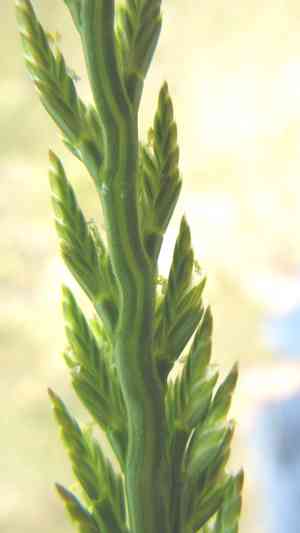
Integrating Sea-fern grass into garden design provides a distinctive texture and visual appeal. Its delicate, fern-like foliage offers an interesting contrast to plants with broader leaves, enhancing the garden's overall look. This versatility makes Sea-fern grass suitable for various landscaping styles, from naturalistic coastal gardens to more structured designs.
Low Maintenance and Durability
Gardening with Sea-fern grass is particularly attractive due to its minimal upkeep requirements. Once established, this resilient plant needs very little watering and care, making it an ideal choice for busy gardeners or those seeking sustainable landscaping options. Its longevity ensures your garden will continue to benefit from its presence for many years.
How Can Sea-fern Grass Help Prevent Coastal Erosion?
Role in Sediment Management
Sea-fern grass effectively manages sediment deposition and movement along coastlines. The plant's root system binds soil particles together, lowering the risk of coastal erosion even during powerful storm surges or high tides. This helps safeguard not only your garden but also nearby properties and natural habitats.
Protection Against Harsh Coastal Conditions
Beyond stabilizing soil, Sea-fern grass acts as a natural shield against wind and salt spray, common in coastal environments. By absorbing the impact of these severe conditions, Sea-fern grass protects other less hardy plants in your garden, ensuring a diverse and flourishing landscape.



