How to Transplant Rough indian paintbrush?
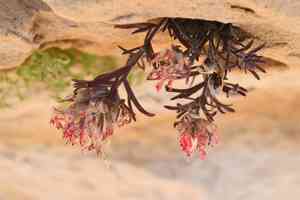
Rough indian paintbrush flourishes when relocated from early to late spring, a period when mild temperatures facilitate root development. Select a bright, adequately drained spot. It is crucial to guarantee very little root disruption for a successful transfer.
What Preparations are Needed Before Transplanting Rough Indian Paintbrush?
What is the Ideal Time for Transplanting Rough Indian Paintbrush?
The best time to move rough indian paintbrush is from early to late spring, once the ground has thawed and warmed. Moving them then allows the plant to get established before summer's heat. This period promotes root growth and lessens transplant shock, ensuring a smoother transition to new growth.
How Much Space Should You Leave Between Rough Indian Paintbrush Plants?
For your new rough indian paintbrush, position each plant 12-18 inches (30-45 cm) apart. This provides ample room for development and air circulation, reducing competition for nutrients and light.
What is the Best Soil Mix for Rough Indian Paintbrush Transplanting?
Prepare a soil mixture that drains well for your rough indian paintbrush. They prefer soil that is somewhat sandy or loamy. Regarding fertilizer, a balanced, slow-release type mixed into the soil base will give them an excellent start.
Where Should You Relocate Your Rough Indian Paintbrush?
Ensure your rough indian paintbrush receives ample sunlight. Select a spot that gets full sun for at least 6 hours daily. This encourages beautiful blooms and maintains vigorous growth.
What Equipments Should You Prepare Before Transplantation Rough Indian Paintbrush?
Gardening Gloves
To shield your hands while handling soil and plants.
Shovel or Spade
For excavating the plant and preparing a new planting site.
Hand Trowel
To help loosen soil around roots when extracting the plant from a pot or seedling tray.
Watering Can or Hose
To hydrate the plant both prior to and following its relocation.
Mulch
To aid in moisture retention and root protection post-transplant.
Bucket
To transport the plant if necessary and to hold some water.
How Do You Remove Rough Indian Paintbrush from the Soil?
How Do You Remove Rough Indian Paintbrush from the Soil?
From Ground: First, moisten the rough indian paintbrush plant to dampen the soil. Then, dig a wide trench around the plant using a shovel or spade, ensuring the plant's root ball stays intact. Carefully work the spade beneath the root ball to lift the plant from its original spot.From Pot: Water the rough indian paintbrush plant thoroughly. Gently press the sides of the pot to loosen the soil. Invert the pot while supporting the plant's base with your hand, and carefully slide the plant out. Loosen the roots if they appear tightly bound.From Seedling Tray: Water the seedlings in the tray to make the soil easier to manage. Use a hand trowel to gently lift the seedling out, making sure to take as much of the root ball as possible. Be gentle to avoid damaging the delicate roots.
Step-by-Step Guide for Transplanting Rough Indian Paintbrush
Prepare New Site
Dig a hole in the new location that is twice as wide and just as deep as the rough indian paintbrush's root ball. Ensure the hole has soft, finely broken-up soil at the bottom.
Place the Plant
Position the rough indian paintbrush in the hole, making sure it sits at the same depth as it was in its original spot. Adjust the soil at the bottom of the hole if needed to achieve the correct planting depth.
Fill the Hole
Backfill the hole with the soil you removed, gently pressing it down around the root ball to eliminate any air pockets. Avoid compacting the soil too much, as this can hinder root growth.
Water Thoroughly
Water the rough indian paintbrush immediately after planting, ensuring the water penetrates deep into the soil to reach the roots. This helps reduce transplant shock and encourages root establishment.
Apply Mulch
Spread a layer of mulch around the base of the rough indian paintbrush to help retain moisture and protect the roots from temperature extremes. Keep the mulch a few inches away from the stem to prevent rot.
How Do You Care For Rough Indian Paintbrush After Transplanting?
Watering
Keep the soil around the rough indian paintbrush consistently moist, but not waterlogged, for the initial weeks after transplanting to help establish strong roots.
Monitoring
Regularly inspect the rough indian paintbrush for signs of transplant shock, such as wilting or yellowing leaves. If these symptoms appear, ensure the plant receives adequate water and consider temporary shade if the sun is too intense.
Weeding
Keep the area around the rough indian paintbrush free of weeds, which can compete for nutrients and water. This will help your plant establish itself more quickly.
Fertilizing
Wait a few weeks before applying any fertilizer to allow the rough indian paintbrush to settle into its new home. Use a balanced, organic fertilizer to promote healthy growth.
Troubleshooting Common Issues with Rough Indian Paintbrush Transplantation.
When is the ideal time to transplant rough indian paintbrush?
Transplant rough indian paintbrush from early spring to late spring for optimal results and growth.
How should I space rough indian paintbrush plants?
Space rough indian paintbrush plants 12-18 inches (30-45 cm) apart to ensure healthy growth and air circulation.
What soil type is best for rough indian paintbrush?
Rough indian paintbrush thrives in well-draining soil with a slightly acidic to neutral pH level.
How do I prepare the soil for transplanting rough indian paintbrush?
Amend the soil with compost to improve fertility and drainage before transplanting rough indian paintbrush.
What are the watering needs of rough indian paintbrush after transplanting?
Water rough indian paintbrush thoroughly after transplanting and keep the soil consistently moist, but not waterlogged.
How can I protect rough indian paintbrush from transplant shock?
Gradually acclimate rough indian paintbrush to outdoor conditions and provide shade during peak sun hours.
What should I do if the leaves of rough indian paintbrush turn yellow?
Yellow leaves may indicate overwatering or poor drainage; adjust watering and improve soil drainage.
How deep should I plant the root ball of rough indian paintbrush?
Plant the root ball of rough indian paintbrush at the same depth it was growing previously.
Can I fertilize rough indian paintbrush right after transplanting?
Avoid fertilizing immediately after transplanting rough indian paintbrush; wait a few weeks for the plant to settle.
What type of mulch is best for rough indian paintbrush?
Use organic mulch like straw or bark to retain moisture and regulate soil temperature around rough indian paintbrush.



