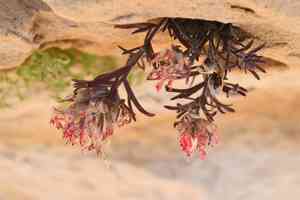
Rough indian paintbrush (Castilleja scabrida)
Also known as: Barneby's indian paintbrush
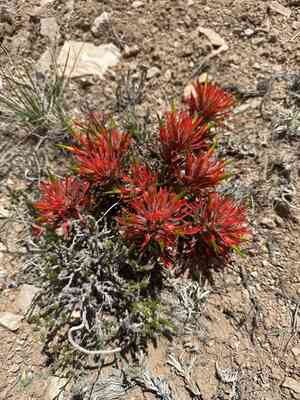
The Rough Indian Paintbrush gets its name from its distinctive, brush-like flower clusters, which resemble a painter's brush. This semi-parasitic herb derives some nutrients from the roots of neighboring plants, but typically causes minimal harm to its hosts. It is often cultivated for its vibrant, year-round color, making it a popular choice for rock gardens, gravel patios, and container gardens.
In This Article
Attributes of Rough indian paintbrush
Lifespan
Perennial
Plant Type
Herb
Plant Height
20-60 cm
Spread
10-25 cm
Leaf Color
Green Gray Silver
Flower Size
1-2 cm
Flower Color
Red
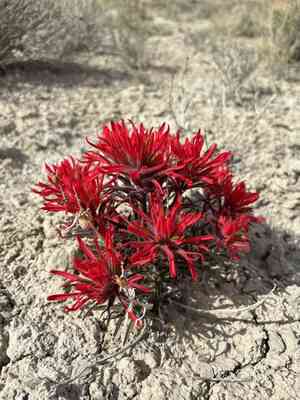
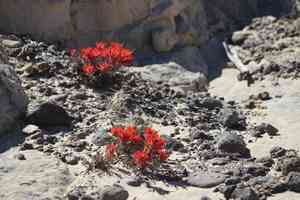
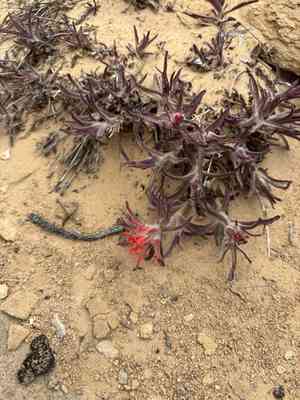
Images of Rough indian paintbrush
Quickly Identify Rough indian paintbrush
1
The plant can be identified by its dense, bristly hairs on the stems and leaves. The colorful bracts, ranging from red to orange, surround the inconspicuous true flowers.
Scientific Classification of Rough indian paintbrush
Phylum
Vascular plants
Class
Dicotyledons
Order
Lamiales
Family
Broomrape
Genus
Indian paintbrush
Species
Rough indian paintbrush
Planting and Growing of Rough indian paintbrush
Care Difficulty
Moderate
Watering Schedule
Every 2 days
Sunlight Requirements
Full sun
Sunshine Duration
4-6 hours
Ideal Temperature
60-75℉
Soil Type
Potting Mix, Peat Mix
Soil pH
6.5-7.5
Fertilizer Type
Balanced
Pruning Season
Spring, Summer
Pruning Area
Branches, Leaves
Pruning Frequency
2 times a year
Repotting Season
Spring
Pot Type
Plastic, Ceramic
 How to Water Rough indian paintbrush?
Water Castilleja scabrida thoroughly, ensuring about 500ml of water per session. This hydration allows moisture to reach the roots deeply, which is crucial for its health. However, make sure the soil doesn't remain soggy to prevent root rot.
What are the symptoms of an underwatered Rough indian paintbrush?
›
What should I do if my Rough indian paintbrush is not getting enough water?
›
What are the symptoms of an overwatered Rough indian paintbrush?
›
How to save an overwatered Rough indian paintbrush?
›
 What Are the Sunlight Requirements for Rough indian paintbrush?
In terms of light preference, Castilleja scabrida benefits from partial to full sunlight. This exposure ensures adequate photosynthesis, promoting vivid growth, blooming, and resilience to environmental stresses.
How much sunlight does Castilleja scabrida need daily?
›
What are the practical solutions for achieving ideal lighting?
›
What benefits does proper lighting offer this plant?
›
 What Is the Ideal Temperature Range for Rough indian paintbrush?
The ideal temperature range for cultivating Castilleja scabrida is between 60°F and 75°F. This range allows the plant to thrive in a stable and comfortable environment, promoting optimal growth and health.
 What Soil is Best for Rough indian paintbrush?
Castilleja scabrida requires well-drained soil to thrive. This type of soil prevents water-logging and root rot, essential for maintaining the plant's health and promoting vibrant blooms. A modest nutrient content is crucial for Castilleja scabrida, as it prevents nutrient burn and ensures balanced growth. This balance allows the plant to develop strong roots and supports its unique flowering characteristics. This plant can tolerate slightly alkaline conditions, which supports its growth in diverse environments and maintains its adaptation to natural habitats. A pH range of 6.5 to 7.5 is ideal.
 How to Fertilize Rough indian paintbrush?
For Castilleja scabrida, apply liquid fertilizer at half the strength recommended on the label. Doing so ensures the roots are not overwhelmed by excess nutrients. For solid fertilizers, aim for a gentle sprinkle just enough to cover the soil surface lightly.
 How to Prune Rough indian paintbrush?
Start by identifying any dead or woody stems, which are often brown or brittle. Remove these first to encourage healthy growth. Prune back any overgrown or misshapen areas to maintain a neat form. Cut just above a leaf node to encourage branching. Pinch back the tips of the branches lightly throughout the growing season to encourage bushiness and more flower production.
More About Pruning Techniques→
 How to Propagate Rough indian paintbrush plant?
1
Collect seeds from mature plants and allow them to dry completely. Before sowing, you may need to scarify the seeds by gently scratching their surface to enhance germination. This process helps seeds absorb water and break dormancy more efficiently.
2
Select healthy sections of the plant to make cuttings, ideally including green wood and some leaves. Cut the stems just below a node using pruning shears, ensuring each cutting is approximately 4-6 inches long. Removing any flowers or buds ensures that energy goes into root development.
3
Use a potting mix that is light and well-draining for both seeds and cuttings. For seeds, sow them evenly on the tray and cover lightly with soil. For cuttings, plant them in a potting mix, ensuring at least one node is beneath the soil. Maintain adequate humidity and temperature by covering with a plastic dome if indoors.
 How to Repot Rough indian paintbrush plant?
1
Look for signals like roots poking out of the drainage holes or the plant becoming root-bound. When the soil dries out too quickly or the plant appears unhealthy despite good care, it might be time to repot. These signs usually indicate that the plant needs more space or fresh soil to thrive.
2
Select a pot that is one size larger than the current one with adequate drainage holes. A pot that is too large may deter proper moisture control, leading to root rot. The slightly larger pot allows the roots more space to grow, supporting healthier plant development without overwhelming the root system.
3
Opt for well-draining, sandy soil to match the natural habitat of Castilleja scabrida. This type of soil ensures that water doesn't linger around the roots, which could cause rot. The sandy mix mimics the plant's native conditions, promoting optimal growth and preventing waterlogged roots.



