How to Propagate Rough indian paintbrush?
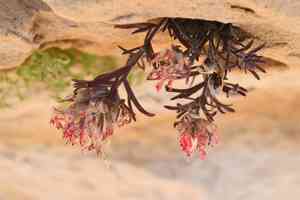
Cultivating rough indian paintbrush necessitates precise seeding, making sure the seeds are situated in soil that drains effectively. An amalgamation of sand and peat offers the most suitable substrate. The seeds ought to be lightly concealed and sprayed with water to preserve humidity without oversaturation. Sprouting may be protracted, potentially taking several weeks. Consistent observation of soil moisture levels and sufficient sunlight is vital for successful cultivation.
Optimal Period for Propagating Rough Indian Paintbrush
Propagation Method
Seeding
Propagation Period
Spring
Essential Tools for Rough Indian Paintbrush Propagation
Seed Trays
Seed trays are crucial for planting rough indian paintbrush. They offer a controlled setting for germination, ensuring proper seed spacing and consistent moisture. Utilizing seed trays helps maintain the health of delicate seedlings and simplifies managing numerous seeds in a small area.
Humidity Domes
Humidity domes create a high-humidity environment, vital for the germination of rough indian paintbrush seeds. The elevated humidity prevents seeds from drying out and generates a greenhouse effect, promoting quicker and more uniform germination.
Seed-Starting Mix
A premium seed-starting mix is essential for rough indian paintbrush, supplying the necessary nutrients and good drainage properties that aid seed germination and root growth. The mix should be sterile to prevent soil-borne diseases that can harm tender seedlings.
Watering Can with Fine Rose
A watering can equipped with a fine rose allows for gentle irrigation of seed trays without dislodging seeds or harming young seedlings. Consistent, light watering is necessary to keep the seed-starting mix uniformly moist, which is critical for rough indian paintbrush seeds.
Heat Mat
A heat mat can provide warmth from below to seed trays, particularly important for rough indian paintbrush seeds that may need a steady warm temperature for effective germination. The added warmth can accelerate germination and enhance seedling vitality.
Seed Labels
Seed labels assist in tracking various plant species and varieties being propagated. Accurate labeling ensures rough indian paintbrush seeds are easily identifiable, which is beneficial for monitoring and record-keeping.
Grow Lights
Grow lights are important if natural light is insufficient. They ensure that rough indian paintbrush seedlings receive the necessary light spectrum for photosynthesis, fostering strong and healthy growth from the outset.
Hand Trowel
A hand trowel is used for handling the seed-starting mix and transplanting seedlings as they mature. It enables gentle and precise work, reducing the risk of damaging the delicate roots of rough indian paintbrush.
Transplanting Dibber
A dibber helps create planting holes in potting mix when it's time to transplant seedlings. This tool is especially useful for ensuring holes are appropriately sized for the delicate root systems of rough indian paintbrush, minimizing transplant shock.
How to Propagate Rough Indian Paintbrush?
Propagation Type
Simple
Caring for Your Newly Propagated Rough Indian Paintbrush
Caring for Your Newly Propagated Rough Indian Paintbrush?
Once rough indian paintbrush seedlings have emerged and developed several true leaves, gradually introduce them to outdoor conditions through hardening off. Transplant them to a well-draining location with full to partial sun. Regularly check soil moisture, ensuring it remains consistent but not waterlogged. Apply mulch around the base to retain moisture and suppress weeds. Monitor plants for pests and diseases, addressing issues promptly.
Common Errors to Avoid When Propagating Rough Indian Paintbrush
Improper Soil Composition
Using a soil mix that is too rich can lead to poor drainage and root rot. Rough indian paintbrush prefers well-drained, sandy, or gritty soils.
Excessive Watering
Overwatering can cause root rot and fungal diseases. Rough indian paintbrush thrives in conditions with partial watering.
Neglecting Host Plant Requirement
Attempting to propagate rough indian paintbrush without a suitable host plant can result in poor growth because it is semi-parasitic and relies on the host for nutrients.
Insufficient Light
Placing rough indian paintbrush in a location with inadequate sunlight will result in weak, leggy plants. It requires full sun to thrive.
Tips For Propagating Rough Indian Paintbrush
Utilize Well-Draining Soil
Ensure the soil is sandy or gritty to prevent waterlogging and root rot, providing the perfect medium for rough indian paintbrush to grow.
Controlled Watering
Water sparingly to keep the soil slightly moist but not soggy, mimicking rough indian paintbrush's natural habitat.
Pair with a Host Plant
Plant rough indian paintbrush near a suitable host plant, such as grasses or other perennial plants, to ensure it receives necessary nutrients.
Provide Full Sun
Place rough indian paintbrush in a location with full sunlight for optimal growth and vigor, as it needs ample light to develop well.



