How to Transplant Stiff yellow indian paintbrush?
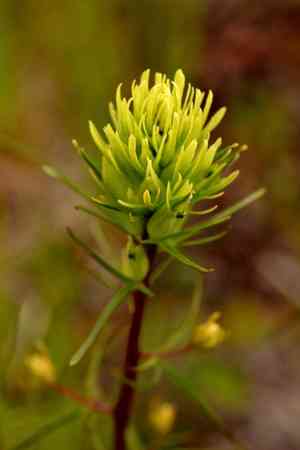
Stiff yellow indian paintbrush is best relocated during the lively phase of early to mid-spring, enabling the specimen to settle prior to the warmth of summer. Select a bright spot with soil that drains effectively. Take care to disturb the root system as little as possible to lessen the impact of transplant stress.
What Preparations are Needed Before Transplanting Stiff Yellow Indian Paintbrush?
What is the Ideal Time for Transplanting Stiff Yellow Indian Paintbrush?
The best time to move stiff yellow indian paintbrush is from early spring through late spring. During this period, weather conditions are favorable, aiding root development and robust growth. Transplanting stiff yellow indian paintbrush at this time minimizes shock and improves its adaptation to a new location, ensuring strong seasonal blooms.
How Much Space Should You Leave Between Stiff Yellow Indian Paintbrush Plants?
When transplanting stiff yellow indian paintbrush, ensure plants are spaced approximately 12-18 inches (30-45 cm) apart. This spacing provides ample room for growth and prevents competition for resources.
What is the Best Soil Mix for Stiff Yellow Indian Paintbrush Transplanting?
Prepare well-draining soil enriched with organic compost for stiff yellow indian paintbrush. A phosphorus-rich base fertilizer will aid in developing strong roots, ensuring a healthy start. The ideal soil pH should be between 6.0 and 7.5.
Where Should You Relocate Your Stiff Yellow Indian Paintbrush?
Choose a sunny spot for stiff yellow indian paintbrush. They thrive best with full sun exposure, receiving at least 6-8 hours daily. Ensure this area is not overly shaded by taller plants or structures.
What Equipments Should You Prepare Before Transplantation Stiff Yellow Indian Paintbrush?
Gardening Gloves
To shield your hands while handling soil and plants.
Shovel or Spade
For digging around the plant and creating a trench for removal.
Hand Trowel
For more precise excavation near the plant's root system.
Watering Can or Hose
To hydrate the plant before and after relocation.
Pruning Shears
To trim any damaged or overgrown roots or foliage.
Garden Fork
To loosen the soil around the plant and prevent root damage.
Plant Tags or Labels
To identify different plants post-transplant.
Mulch
To help maintain soil moisture and regulate temperature after transplanting.
How Do You Remove Stiff Yellow Indian Paintbrush from the Soil?
How Do You Remove Stiff Yellow Indian Paintbrush from the Soil?
From Ground: First, moisten the soil around the stiff yellow indian paintbrush plant. Then, use a shovel or spade to dig a wide trench around the plant, keeping the root ball intact. Carefully work the spade beneath the root ball to lift the plant from its original spot.From Pot: Gently tap the pot's sides to loosen the soil. Turn the pot sideways and carefully slide the stiff yellow indian paintbrush plant out by tapping the bottom while supporting the plant's base. If root-bound, you might need to use a hand trowel to separate roots from the pot's edges.From Seedling Tray: Water the tray to keep the soil moist. Use a hand trowel or a pencil's end to gently lift the stiff yellow indian paintbrush seedling by its leaves or base, being careful to keep its roots intact. Handle the seedling with care to avoid damaging the delicate roots.
Step-by-Step Guide for Transplanting Stiff Yellow Indian Paintbrush
Site Preparation
Ensure the new site is ready by digging a hole twice the size of the plant's root ball.
Plant Inspection
Examine the stiff yellow indian paintbrush plant for any damaged or diseased parts. Remove these with pruning shears.
Plant Placement
Position the stiff yellow indian paintbrush plant in the center of the hole. Make sure the top of the root ball is level with the surrounding soil.
Backfilling
Refill the hole with soil, gently firming it around the root ball. Lightly press the soil to eliminate air pockets.
Watering
Water the stiff yellow indian paintbrush plant thoroughly but gently. Ensure water reaches the deep roots without causing runoff.
Applying Mulch
Spread a layer of mulch around the base of the stiff yellow indian paintbrush plant, leaving some space around the stem to prevent rot.
How Do You Care For Stiff Yellow Indian Paintbrush After Transplanting?
Watering
Keep the soil around the stiff yellow indian paintbrush consistently moist, but not waterlogged, for the initial weeks post-transplant to encourage strong root development.
Monitoring
Regularly check the stiff yellow indian paintbrush plant for signs of stress, such as wilting or yellowing leaves, and adjust care as needed.
Weeding
Remove any competing weeds that vie for nutrients and water.
Support
If necessary, provide stakes or supports to stabilize the plant until it becomes established.
Troubleshooting Common Issues with Stiff Yellow Indian Paintbrush Transplantation.
When is the best time to transplant stiff yellow indian paintbrush?
Transplant stiff yellow indian paintbrush between early spring and late spring for optimal growth and establishment.
How should I prepare the soil for stiff yellow indian paintbrush?
Ensure well-drained soil enriched with compost. Maintain a pH around 6.0-7.0 for healthy growth.
What is the ideal spacing for transplanting stiff yellow indian paintbrush?
Maintain a spacing of 12-18 inches (30-45 cm) between each stiff yellow indian paintbrush to promote airflow and growth.
How deep should the planting hole be for stiff yellow indian paintbrush?
Dig a hole as deep as the root ball and twice as wide for easy root spread.
How should I water stiff yellow indian paintbrush after transplanting?
Water thoroughly right after transplanting. Ensure soil remains moist but not waterlogged for the next few weeks.
What should I do if stiff yellow indian paintbrush shows signs of transplant shock?
Provide partial shade, limit watering stress, and apply a balanced fertilizer to help recovery.
Should I prune stiff yellow indian paintbrush before transplanting?
Lightly prune damaged or weak parts, but avoid major pruning as it can stress the plant.
Can I transplant stiff yellow indian paintbrush in containers?
Yes, use containers with good drainage, and ensure they are large enough for root expansion.
How do I protect stiff yellow indian paintbrush from pests after transplanting?
Monitor for pests and use organic insecticides if needed. Healthy soil and spacing help reduce pest issues.
What kind of mulch is best for stiff yellow indian paintbrush after transplanting?
Use organic mulch like straw or wood chips to retain moisture and regulate soil temperature.



