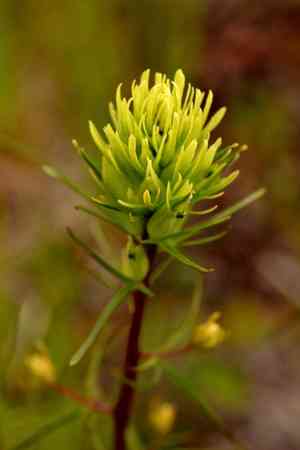
Stiff yellow indian paintbrush (Castilleja lutescens)
Also known as: Yellow Indian Paintbrush
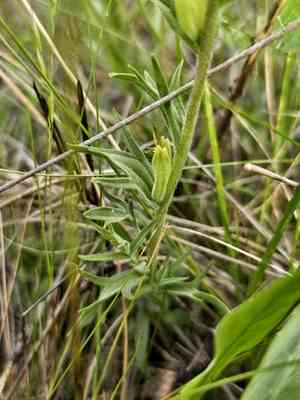
Stiff yellow Indian paintbrush (Castilleja flava) stands out due to its striking yellow-to-orange bracts that overshadow its tiny, greenish flowers. These vivid bracts attract pollinators and offer camouflage in its rocky, open habitats. With upright stems and narrow, lance-like leaves, it thrives in well-drained soils and prefers full to partial sunlight. Its distinctive coloration and hardy nature make it a notable feature among native wildflowers.
In This Article
Attributes of Stiff yellow indian paintbrush
Lifespan
Perennial
Plant Type
Herb
Plant Height
0.3 - 0.6 meters (1 - 2 feet)
Spread
Not applicable, does not have a crown
Leaf Color
Green
Flower Size
The true flowers are tiny, surrounded by colorful bracts.
Flower Color
Yellow to yellow-green bracts surrounding less conspicuous flowers.
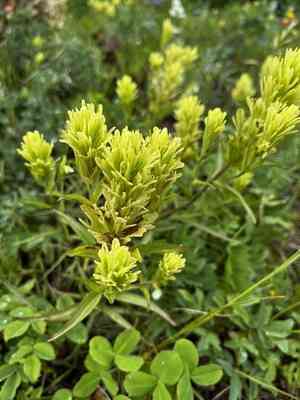
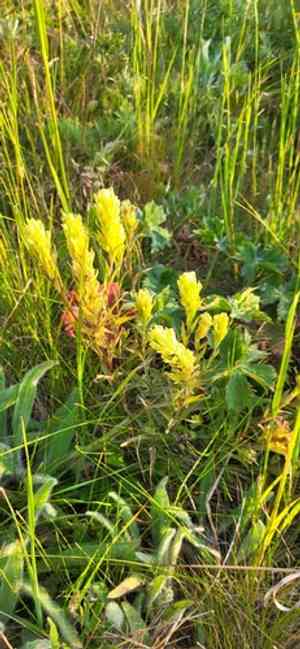
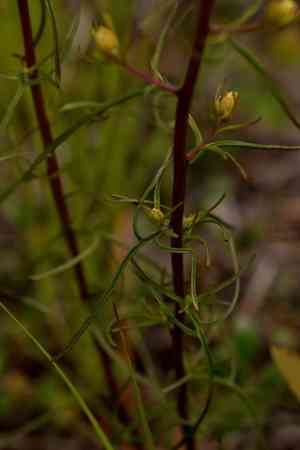
Images of Stiff yellow indian paintbrush
Quickly Identify Stiff yellow indian paintbrush
1
To identify Castilleja lutescens, look for its unique yellow-green bracts and its hemiparasitic nature, often growing attached to the roots of grasses and other plants.
Scientific Classification of Stiff yellow indian paintbrush
Phylum
Vascular plants
Class
Dicotyledons
Order
Lamiales
Family
Broomrape
Genus
Indian paintbrush
Species
Stiff yellow indian paintbrush
Planting and Growing of Stiff yellow indian paintbrush
Care Difficulty
Moderate
Watering Schedule
Every 2 days
Sunlight Requirements
Partial sun
Sunshine Duration
4-8 hours
Ideal Temperature
65-75℉
Soil Type
Potting Mix, Peat Mix
Soil pH
6.5-7.5
Fertilizer Type
Balanced
Pruning Season
Spring, Summer
Pruning Area
Branches, Leaves
Pruning Frequency
2 times a year
Repotting Season
Spring
Pot Type
Plastic, Ceramic
 How to Water Stiff yellow indian paintbrush?
Castilleja lutescens prefers moderate watering. The ideal amount is 200 milliliters per session, ensuring the soil is moist but not waterlogged. This plant thrives in conditions where the soil can dry slightly between waterings, mimicking its natural habitat.
What are the symptoms of an underwatered Stiff yellow indian paintbrush?
›
What should I do if my Stiff yellow indian paintbrush is not getting enough water?
›
What are the symptoms of an overwatered Stiff yellow indian paintbrush?
›
How to save an overwatered Stiff yellow indian paintbrush?
›
 What Are the Sunlight Requirements for Stiff yellow indian paintbrush?
Castilleja lutescens thrives best under partial sun, receiving around 4 to 6 hours of sunlight. Optimal lighting enhances its growth, flowering ability, and disease resistance by ensuring sufficient energy production through balanced photosynthesis.
How to Achieve Ideal Sunlight Exposure?
›
Specific Measures for Optimal Sunlight
›
Benefits of Getting Ideal Sunlight
›
 What Is the Ideal Temperature Range for Stiff yellow indian paintbrush?
For optimal growth of Castilleja lutescens, maintain ambient temperatures between 65°F and 75°F. This range supports healthy photosynthesis and nutrient uptake, aiding in vibrant plant development.
 What Soil is Best for Stiff yellow indian paintbrush?
For Castilleja lutescens, well-drained soil is crucial as it helps prevent root rot and ensures healthy growth. This type of soil allows water to drain efficiently, which is essential for the plant's unique root system and its symbiotic relationship with fungi. A nutrient-rich medium provides the essential elements necessary for vibrant blooms and sustained health. Soil enriched with organic matter like compost can be beneficial, offering a steady supply of nutrients needed for growth. Maintaining the right balance of moisture while ensuring aeration is vital. This prevents compaction and encourages roots to spread effectively, facilitating the absorption of water and nutrients which Castilleja lutescens thrives on.
 How to Fertilize Stiff yellow indian paintbrush?
Castilleja lutescens benefits from a balanced approach to fertilization. For liquid fertilizers, using about a quarter-strength solution is optimal. Each application should involve around half a liter of this dilute solution to avoid overwhelming the plant. As with all plants, the soil type and plant size can affect the exact amount, so it's wise to start small and adjust as needed.
 How to Prune Stiff yellow indian paintbrush?
Start by removing any dead, damaged, or diseased stems. This directs the plant's energy toward healthy growth and prevents the spread of disease. Trim back any overly long stems to maintain a pleasing shape. Focus on achieving a balanced form, with even spacing for optimal sunlight exposure and airflow. Pinch back the tips of the stems to encourage bushier growth. This helps in producing more flowers and maintaining a healthy, robust appearance.
More About Pruning Techniques→
 How to Propagate Stiff yellow indian paintbrush plant?
1
Collect seeds from mature Castilleja lutescens plants. Ensure they are fully ripened on the plant for the best germination rate, which typically requires waiting until the seed heads begin to dry and open.
2
Prepare a well-draining seed starting mix, which may include a combination of peat moss, vermiculite, and perlite. This mixture will provide the necessary aeration and moisture retention for seeds to sprout.
3
Sow seeds on the surface of the prepared soil without covering them too deeply. Lightly press them into the soil since they require exposure to light for germination, which can take several weeks.
 How to Repot Stiff yellow indian paintbrush plant?
1
Castilleja lutescens shows clear signs when it's ready for a new pot, such as roots growing out of the drainage holes or the soil drying out quickly after watering. To ensure minimal stress, repot during milder seasons when the plant is not actively flowering.
2
Select a pot slightly larger than the existing one, with good drainage holes to prevent root rot. A terracotta pot is an excellent choice as it allows for air circulation and helps to wick away excess moisture, creating an ideal environment for the plant.
3
A sandy, well-draining soil mix prevents the roots from sitting in water, mimicking its native habitat conditions. This type of soil promotes better airflow and prevents compaction, ensuring healthy root development and reduced risk of root diseases.
Toxicity
Ingestion
WARNING
The judgment on toxicity and danger is for reference only. We DO NOT GUARANTEE any accuracy of such judgment. Therefore, you SHALL NOT rely on such judgment. It is IMPORTANT TO SEEK PROFESSIONAL ADVICE in advance when necessary.
Learn More About Stiff yellow indian paintbrush Diseases
Anthracnose
Bacterial Leaf Spot
Bacterial Wilt
Chemical Injury
Crown Gall
Cyst Nematode
Damping-off
Downy Mildew
Drought Stress
Fusarium Wilt
Gray Mold
Leaf Curl
Leaf Spot
Mosaic
Nutrient Deficiency
Nutrient Toxicity
Powdery Mildew
Root Rot
Root-knot Nematode
Rusts
Sooty Mold
Spider Mites
Temperature Stress
Thrips Damage
White Mold



