How to Prune Stiff yellow indian paintbrush?
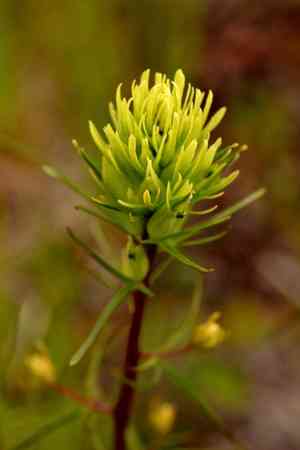
Castilleja flava, recognized for its vivid yellow floral leaves and rigid stalks, necessitates trimming mainly in late winter or early spring, prior to the emergence of new shoots. Concentrate on eliminating deceased or compromised stems to foster robust development and air circulation. Snipping the ends can stimulate a more compact form. Trimming additionally aids in diminishing disease susceptibility and enhancing the plant's general vitality. Regular pruning guarantees a sturdy and visually appealing specimen throughout its cultivation period.
Advantages of Trimming Stiff Yellow Indian Paintbrush
Advantages of Trimming Stiff Yellow Indian Paintbrush
Trimming stiff yellow indian paintbrush encourages robust development, maintains its form, and boosts blooming. It aids in managing size, enhancing overall look, and increasing resilience to pests and illnesses. Proper trimming ensures a healthier, more vigorous plant.
Optimal Time for Trimming Stiff Yellow Indian Paintbrush
Optimal Time for Trimming Stiff Yellow Indian Paintbrush
Trimming in late winter or early spring is considered ideal for stiff yellow indian paintbrush as it ensures the plant is dormant and thus less susceptible to stress. This timing allows for the removal of dead or diseased wood before the plant enters its active growing phase. Late winter and early spring trimming also encourages robust growth and better flowering during the upcoming season. Trimming during these times helps to maintain the health and aesthetic of stiff yellow indian paintbrush, aligning with its natural growth cycle.
Tools Required for Trimming Stiff Yellow Indian Paintbrush
Hand Pruners
Perfect for making clean cuts on small stems and branches, ensuring minimal harm to stiff yellow indian paintbrush. Suitable for precise cuts and maintaining the plant's shape.
Bypass Pruners
Utilize for cutting live, green stems on stiff yellow indian paintbrush, as they provide clean cuts that promote quicker healing.
Anvil Pruners
Can be employed for dead or dried out stems of stiff yellow indian paintbrush. They crush rather than cut, making them suitable for removing thicker, tougher parts.
Pruning Shears
Useful for cutting back larger sections of stiff yellow indian paintbrush, especially if it's growing densely.
Long-handled Loppers
Best reserved for reaching into the interior of stiff yellow indian paintbrush without harming surrounding growth. Essential for removing larger and more inaccessible branches.
How to Trim Stiff Yellow Indian Paintbrush
Inspect
Carefully examine the plant, focusing on leaves. Identify any diseased or withered leaves that need to be removed to promote healthy growth.
Clean Tools
Sanitize trimming tools, such as scissors or shears, to prevent the spread of disease. Use a solution of one part bleach to nine parts water for effective cleaning.
Trim Diseased Leaves
Using cleaned tools, precisely cut diseased leaves at the base where they attach to the stem. Ensure to make clean cuts to avoid damaging the plant.
Remove Withered Leaves
Carefully remove all withered leaves. Hold the base of the leaf and gently pull, or use tools to trim if the leaf is stubbornly attached.
Dispose
Dispose of all removed diseased and withered leaves properly. Do not compost them, as this can spread disease. Bag them and place them in the trash.
Common Trimming Mistakes with Stiff Yellow Indian Paintbrush
Over-trimming
Cutting back too much can weaken the plant and hinder its ability to flower. Itâs important to remember that less can be more.
Improper tools
Using dull or dirty tools can damage the plant and increase the risk of infections. Always use clean, sharp trimming shears.
Poor technique
Incorrect and uneven cuts can lead to shock and potentially lethal damage to stiff yellow indian paintbrush. Make sure to make clean, angled cuts just above a node.
Ignoring dead or diseased branches
Failing to remove dead or diseased parts can spread problems to healthy parts of stiff yellow indian paintbrush. Regular inspection and prompt removal are crucial.
General Trimming Advice for Stiff Yellow Indian Paintbrush
Minimal trimming
Focus on removing dead, damaged, or diseased branches and spend minimal effort on cutting healthy branches. This ensures that the plant retains its natural structure while promoting better growth.
Sanitize tools
Always sanitize your trimming tools before and after each use to prevent the spread of diseases. A simple solution of bleach and water can be effective.
Cut at an angle
When making cuts, do so at a 45-degree angle just above a leaf node. This helps water runoff and reduces the risk of rot.
Monitor plant health
Regularly check stiff yellow indian paintbrush for any signs of disease or pests. Early detection allows for prompt trimming and healthier regrowth.



