How to Transplant Ash-gray indian paintbrush?
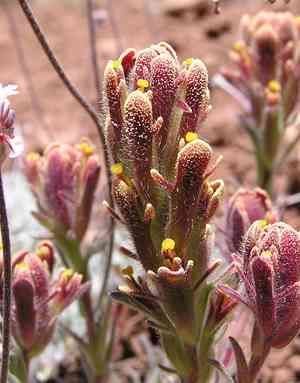
The most favorable period for relocating ash-gray indian paintbrush is from the beginning to the middle of spring, since this timeframe provides mild temperatures and adequate soil hydration, which are vital for root development. Select a bright spot with soil that drains effectively for optimal outcomes.
What Preparations are Needed Before Transplanting Ash-gray Indian Paintbrush?
What is the Ideal Time for Transplanting Ash-gray Indian Paintbrush?
For optimal outcomes, relocate ash-gray indian paintbrush during the initial to middle part of spring. This timing enables the plant to establish its root system prior to summer's heat. The cool, damp spring conditions encourage vigorous development and lessen transplant shock. Moving the plant during this period promotes root growth and improves its capacity to flourish in its new spot.
How Much Space Should You Leave Between Ash-gray Indian Paintbrush Plants?
When relocating ash-gray indian paintbrush, ensure a spacing of approximately 12-15 inches (30-38 cm) between plants. This provides ample room for growth and facilitates proper air circulation.
What is the Best Soil Mix for Ash-gray Indian Paintbrush Transplanting?
For ash-gray indian paintbrush, prepare well-draining soil enriched with compost or a balanced base fertilizer. A blend of sandy loam and organic matter is most effective for encouraging healthy growth.
Where Should You Relocate Your Ash-gray Indian Paintbrush?
Select a site for ash-gray indian paintbrush that receives full sun or partial shade. These plants flourish in bright conditions, ideally receiving 6-8 hours of sunlight daily.
What Equipments Should You Prepare Before Transplantation Ash-gray Indian Paintbrush?
Gardening Gloves
To safeguard your hands while handling soil and plants.
Shovel or Spade
For digging and loosening the earth around the plant.
Trowel
Useful for smaller excavation tasks and planting.
Watering Can or Hose
To hydrate the plant before and after relocation.
Garden Fork
Aids in breaking up compacted soil surrounding the root ball.
Garden Kneeler or Pad
To enhance comfort when kneeling on the ground.
How Do You Remove Ash-gray Indian Paintbrush from the Soil?
How Do You Remove Ash-gray Indian Paintbrush from the Soil?
From Ground: First, moisten the ash-gray indian paintbrush plant to dampen the soil. Next, excavate a wide trench around the plant using a shovel or spade, ensuring the plant's root ball remains intact. Carefully work the spade beneath the root ball to lift the plant from its original position.From Pot: Thoroughly water the ash-gray indian paintbrush plant before removal. Gently tilt the container and tap its sides to loosen the soil. Carefully slide the plant out, ensuring the root ball stays whole.From Seedling Tray: Water the seedlings to soften the soil. Use a trowel or your fingers to gently lift each seedling, taking care not to harm the delicate roots.
Step-by-Step Guide for Transplanting Ash-gray Indian Paintbrush
Preparation
Gather all necessary tools and prepare the new planting site by loosening the soil with a shovel or garden fork.
Watering
Hydrate the ash-gray indian paintbrush plant before extraction to make the soil easier to manage and lessen transplant shock.
Digging Hole
Excavate a hole at the new location that is twice as wide and the same depth as the plantâs root ball.
Transplanting
Position the ash-gray indian paintbrush plant in the new hole, ensuring the top of the root ball is level with the ground surface. Backfill with soil and gently compact it.
Watering Again
Thoroughly water the newly planted ash-gray indian paintbrush to help settle the soil and eliminate air pockets around the roots.
How Do You Care For Ash-gray Indian Paintbrush After Transplanting?
Watering
Keep the soil around the ash-gray indian paintbrush consistently moist, but not waterlogged, for the initial weeks post-transplant to aid in establishing strong roots.
Mulching
Apply a layer of mulch around the base of the ash-gray indian paintbrush to retain moisture and regulate soil temperature.
Monitoring
Regularly inspect the plant for indications of stress, such as wilting or yellowing leaves, and address these issues promptly.
Troubleshooting Common Issues with Ash-gray Indian Paintbrush Transplantation.
When is the best time to transplant ash-gray indian paintbrush?
Relocate ash-gray indian paintbrush in early to mid-spring for optimal outcomes.
How far apart should I space ash-gray indian paintbrush?
Space ash-gray indian paintbrush plants 12-15 inches (30-38 cm) apart to allow for healthy growth.
What type of soil is ideal for ash-gray indian paintbrush?
Utilize well-draining soil with a slightly acidic to neutral pH for optimal growth of ash-gray indian paintbrush.
How do I prepare the site for transplanting ash-gray indian paintbrush?
Loosen the soil and remove weeds and debris before relocating ash-gray indian paintbrush.
How deep should ash-gray indian paintbrush be transplanted?
Transplant ash-gray indian paintbrush at the same depth it was growing in its original location.
What is the ideal sunlight requirement for ash-gray indian paintbrush?
Ash-gray indian paintbrush thrives in full sun to partial shade.
How much water does ash-gray indian paintbrush need after transplanting?
Water ash-gray indian paintbrush moderately after transplanting, keeping the soil moist but not waterlogged.
How can I reduce transplant shock for ash-gray indian paintbrush?
Water thoroughly before and after transplanting, and avoid excessive root disturbance.
Should I fertilize ash-gray indian paintbrush after transplanting?
Fertilize lightly with a balanced, slow-release fertilizer after relocating ash-gray indian paintbrush.
What should I do if ash-gray indian paintbrush shows signs of stress post-transplant?
Ensure it receives adequate water, check for pests, and avoid further disturbance.



