How to Propagate Ash-gray indian paintbrush?
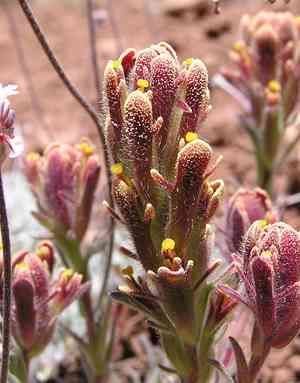
Castilleja canescens is a distinctive botanical specimen recognized for its vibrant, eye-catching blossoms. Reproduction is generally accomplished by meticulously planting seeds in substrate that drains effectively. Verify that the seeds obtain sufficient light and that the growing medium remains uniformly damp throughout the sprouting phase. During relocation, handle the root system delicately to prevent harm. Vigilant observation for infestations is essential for robust development. Utilize these recommendations to successfully cultivate Castilleja canescens.
When Is the Optimal Time to Propagate Ash-gray Indian Paintbrush?
Propagation Method
Seeding
Propagation Period
Spring
What Equipment Is Used in Ash-gray Indian Paintbrush Propagation?
Seed Trays
Seed trays are vital for the initial planting of ash-gray indian paintbrush seeds. These containers offer an organized and regulated setting for germination, ensuring seeds have adequate space and resources to sprout successfully.
Seed Starting Mix
A premium, well-draining seed starting mix is essential for germinating ash-gray indian paintbrush seeds. It supplies the necessary nutrients and proper drainage to prevent waterlogging, which can be harmful to young seedlings.
Grow Lights
Supplemental grow lights ensure that ash-gray indian paintbrush seedlings receive sufficient illumination, which is particularly important during periods with less natural sunlight. Proper lighting encourages strong, healthy growth and prevents seedlings from becoming elongated.
Misting Bottle
A misting bottle is useful for maintaining soil moisture without over-saturating it. Consistent, gentle misting helps keep ash-gray indian paintbrush seeds and seedlings hydrated, supporting healthy development.
Propagation Dome
A propagation dome creates a humid and warm environment, which can be beneficial for the germination of ash-gray indian paintbrush seeds. It helps maintain consistent temperature and moisture levels, crucial for successful sprouting.
Heat Mat
A heat mat provides consistent warmth beneath seed trays, promoting faster and more uniform germination for ash-gray indian paintbrush. This is especially helpful in cooler climates or during early spring.
Sterile Scissors or Pruners
Sterile cutting tools are necessary for trimming seedlings and ensuring no disease is introduced. Using clean cuts helps minimize stress on seedlings, promoting healthier growth.
Labels
Labels are important to keep track of different batches of ash-gray indian paintbrush seeds, especially if experimenting with various conditions or seed sources. They help avoid confusion and ensure proper tracking of growth stages.
Fungicide
A fungicide can be useful to prevent damping-off disease, a common issue in seed starting that affects young seedlings. Ensuring the health of ash-gray indian paintbrush seedlings from the beginning is critical for successful propagation.
How to Propagate Ash-gray Indian Paintbrush?
Propagation Type
Simple
How to Care for Your Newly Propagated Ash-gray Indian Paintbrush?
How to Care for Your Newly Propagated Ash-gray Indian Paintbrush?
Once seedlings are established, transfer them to an area with well-draining soil and full sunlight. Ensure a suitable host plant is nearby, as ash-gray indian paintbrush is a hemiparasitic plant that partially relies on host roots for nutrients. Water regularly during dry spells but avoid overwatering. Mulch can be applied to retain soil moisture and suppress weeds. Monitor for pests and diseases, and provide support if needed to help the young plants establish in their new environment.
Common Mistakes to Avoid When Propagating Ash-gray Indian Paintbrush
Improper soil type
Using soil that retains too much water or is overly rich can harm ash-gray indian paintbrush. This plant requires well-draining, sandy soil typical of its native regions.
Overwatering
Excessive watering can lead to root rot and fungal diseases, as ash-gray indian paintbrush prefers drier conditions.
Incorrect light conditions
Planting ash-gray indian paintbrush in too much shade will hinder its growth and flowering, as it thrives in full sunlight.
Ignoring its hemiparasitic nature
Ash-gray indian paintbrush partially relies on host plants for nutrients. Without an appropriate host, its growth will be stunted.
Not simulating natural conditions
Ash-gray indian paintbrush has specialized needs that mimic its natural habitat; failure to replicate these conditions can lead to poor propagation success.
Tips For Propagating Ash-gray Indian Paintbrush
Use well-draining soil
Provide sandy or gritty soil that mimics ash-gray indian paintbrush's natural environment to prevent issues with water retention.
Monitor watering
Allow the soil to dry out between watering sessions to prevent root rot and encourage healthy growth.
Ensure full sunlight
Choose a location with ample direct sunlight to support ash-gray indian paintbrush's photosynthetic needs and promote vigorous flowering.
Provide a compatible host plant
Since ash-gray indian paintbrush is hemiparasitic, planting it alongside a suitable host, like grasses, will enhance nutrient uptake and growth.
Mimic natural habitat
Replicate the conditions of ash-gray indian paintbrush's native environment, including temperature, soil type, and light exposure, to boost propagation success.



