How to Transplant Mockernut hickory?
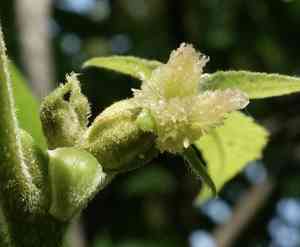
Spring's arrival offers the ideal period to relocate mockernut hickory, facilitating a smooth adjustment as its root system settles before the warmth of summer. Choose sunny, adequately drained sites for peak development, and carefully position its roots to avoid stress.
What Preparations are Needed Before Transplanting Mockernut Hickory?
What is the Ideal Time for Transplanting Mockernut Hickory?
The optimal time for moving mockernut hickory is during spring's awakening, as the ground thaws from winter. At this point, the warming soil and mild temperatures create an ideal setting for mockernut hickory's roots to expand and settle. Successful transplantation requires hitting the sweet spot after frost has passed but before summer's full heat. This strategic timing allows mockernut hickory to benefit from spring's gentle rains and longer days, which are perfect for promoting new growth and giving your plant the best start in its new home. Embrace this favorable transplanting season, and your mockernut hickory will thrive with vigor.
How Much Space Should You Leave Between Mockernut Hickory Plants?
For mockernut hickory, maintaining a distance of approximately 25-35 feet (7.6-10.7 meters) between each plant is recommended. This provides ample room for its development and ensures optimal health!
What is the Best Soil Mix for Mockernut Hickory Transplanting?
Your mockernut hickory will flourish in well-drained, fertile soil. Incorporate a base fertilizer layer before planting, as it prefers soil rich in organic matter. This will give your plant an excellent start!
Where Should You Relocate Your Mockernut Hickory?
For your mockernut hickory to thrive, select a location with full sun to partial shade. This plant enjoys sunlight but can also tolerate some shade – it's quite adaptable!
What Equipments Should You Prepare Before Transplantation Mockernut Hickory?
Shovel or Spade
Necessary for digging the planting hole for your mockernut hickory and for extracting the plant from its original spot.
Pruning Shears
Required for trimming any errant branches or roots.
Wheelbarrow
Useful for moving the mockernut hickory tree from one place to another if it is quite large.
Gardening Gloves
To safeguard your hands while working with the soil and plant material.
Watering Can or Hose
Essential for hydrating the mockernut hickory plant both before and after its relocation.
Mulch
This aids in retaining soil moisture and suppressing weeds post-planting.
How Do You Remove Mockernut Hickory from the Soil?
How Do You Remove Mockernut Hickory from the Soil?
From Ground: To extract the mockernut hickory plant from the ground, water it thoroughly a day or so prior to your planned transplant. Using a shovel or spade, dig around the root ball, leaving sufficient space to encompass the roots without causing damage. Loosen the soil and carefully work your tool underneath to gently lift the plant out.From a Pot: If your mockernut hickory plant is in a container, water it completely the day before transplanting. Invert the pot while supporting the plant with one hand, then gently shake it until the plant slides out. Aim to keep the root ball intact.From a Seedling Tray: If the mockernut hickory tree is a seedling, it's best to transplant it when it reaches 2-3 inches in height. Water the seedling tray well to loosen the soil, and carefully lift the seedling from beneath the stem base and roots.
Step-by-Step Guide for Transplanting Mockernut Hickory
Digging the Hole
The excavation should be as deep as the root ball and twice its width to allow for new root development.
Preparing the Plant
Carefully extract the mockernut hickory plant from its initial location, ensuring minimal root damage. Trim any damaged or excessively long roots using pruning shears.
Planting
Position the mockernut hickory plant into the hole and adjust its placement as needed. The top of the root ball should be level with the ground surface. Backfill the hole with soil, compacting it around the plant's base.
Watering
After planting, thoroughly water the mockernut hickory plant, ensuring the water penetrates the root zone.
Mulching
Observe the area around the plant's base and apply mulch to help retain moisture and deter weed growth.
How Do You Care For Mockernut Hickory After Transplanting?
Watering
Maintain consistent soil moisture for the mockernut hickory plant. Avoid excessive watering, as this can lead to root rot. Adjust irrigation based on weather conditions; you may need to water more frequently during warmer months.
Pruning
Remove any dead or diseased branches from the mockernut hickory tree to encourage healthy growth. Be careful not to over-prune, as mockernut hickory trees rely on their leaves for photosynthesis and development.
Pest and Disease Control
Monitor for signs of pests or disease. Early detection is crucial for preventing significant issues. If you observe unusual spots or insects, contact your local extension service or a reputable garden center for guidance.
Troubleshooting Common Issues with Mockernut Hickory Transplantation.
What's the best time to transplant my mockernut hickory?
The optimal period to transplant your mockernut hickory is from early spring to mid-spring (S1 to S3).
How far apart should mockernut hickory be planted from each other?
Mockernut hickory should be spaced at a minimum distance of 25 feet to 35 feet (7.6-10.7 meters). This provides them with ample room to grow.
Are there any specific soil requirements for transplanting mockernut hickory?
Mockernut hickory thrives in well-drained, sandy, or silty loam. An acidic to neutral pH level is ideal. If the soil is deficient, enrich it with organic matter before transplanting.
What's the optimal depth for planting mockernut hickory while transplanting?
Transplant your mockernut hickory so that the top of the root ball is flush with or slightly above ground level. Do not bury the trunk.
What kind of sun exposure does mockernut hickory need when transplanted?
Mockernut hickory should ideally be situated in an area with full sun to partial shade. A minimum of 4 hours of unfiltered, direct sunlight daily is recommended.
How crucial is immediate watering after transplanting mockernut hickory?
Extremely important! Thoroughly water your mockernut hickory immediately after transplantation. Keeping the plant well-hydrated promotes healthy root establishment.
What should I do if the leaves of mockernut hickory start turning yellow post-transplantation?
Yellow leaves could indicate water stress or a lack of soil nutrients. Adjust watering, but if the problem persists, have the soil tested and then correct any nutrient deficiencies.
Why isnât my transplanted mockernut hickory growing?
A slowdown in growth after transplanting is normal. However, if the situation doesn't improve within a few weeks, check for drainage problems, soil nutrition, sun exposure, and water regularly.
What to do if my transplanted mockernut hickory is wilting?
Wilting can signal either over or under watering. Ensure the mockernut hickory receives consistent but not excessive moisture. If conditions persist, consider a soil acidity test.
How can I protect my newly transplanted mockernut hickory from pests and diseases?
Regularly inspect your mockernut hickory, promptly remove affected sections, and use pest-specific solutions if necessary. Opt for organic solutions and pesticides whenever possible to minimize environmental impact.



