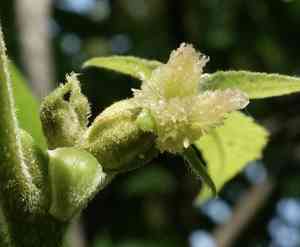
Mockernut hickory (Carya alba)
Also known as: Whiteheart hickory, Bullnut
Shagbark Hickory (Carya ovata) is highly abundant and can live up to 500 years. It produces edible nuts and is prized for its durable wood, which is commonly used in making rustic furniture.
In This Article
Attributes of Mockernut hickory
Lifespan
Perennial
Plant Type
Tree
Plant Height
18 m to 24 m
Spread
12 m to 18 m
Leaf Color
Green Blue Yellow
Flower Size
10 cm to 13 cm
Flower Color
Yellow Green
Images of Mockernut hickory
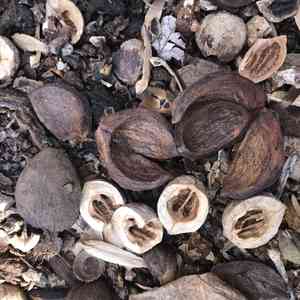
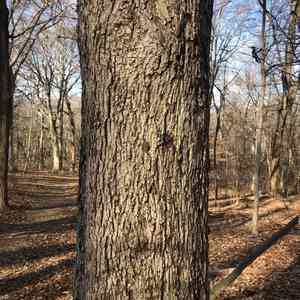
Quickly Identify Mockernut hickory
1
The mockernut hickory can be identified by its large compound leaves with 7-9 leaflets, thick twigs, and gray bark that becomes ridged and scaly with age. The nuts are enclosed in a thick husk that is difficult to crack.
Scientific Classification of Mockernut hickory
Phylum
Vascular plants
Class
Dicotyledons
Order
Fagales
Family
Walnut
Genus
Hickories
Species
Mockernut hickory
Planting and Growing of Mockernut hickory
Care Difficulty
Easy
Watering Schedule
Every 3 days
Sunlight Requirements
Full sun
Sunshine Duration
6-8 hours
Ideal Temperature
59-86℉
Soil Type
Potting Mix, Peat Mix
Soil pH
6.5-7.5
Fertilizer Type
Balanced
Pruning Season
Spring, Summer
Pruning Area
Branches, Leaves
Pruning Frequency
2 times a year
Repotting Season
Spring
Pot Type
Plastic, Ceramic
 How to Water Mockernut hickory?
Carya alba, commonly known as the mockernut hickory, requires a moderate amount of water. One important principle is to ensure deep soaking, allowing water to reach the root zone but never leaving the soil soggy. Around 500 milliliters should suffice per session, ensuring the soil is moist but not waterlogged.
More About Watering Techniques→
What are the symptoms of an underwatered Mockernut hickory?
›
What should I do if my Mockernut hickory is not getting enough water?
›
What are the symptoms of an overwatered Mockernut hickory?
›
How to save an overwatered Mockernut hickory?
›
 What Are the Sunlight Requirements for Mockernut hickory?
Carya alba flourishes with full to partial sun exposure. Adequate light ensures robust growth, proper nut production, and vibrant foliage, enhancing overall health.
More About Sunlight Requirements Techniques→
Does Carya alba prefer full sun or partial shade?
›
What is the ideal lighting schedule for Carya alba?
›
How can you achieve ideal lighting for Carya alba?
›
 What Is the Ideal Temperature Range for Mockernut hickory?
The ideal temperature range for Carya alba, commonly known as the white hickory, is between 59°F and 86°F. This range allows the plant to undergo its physiological processes efficiently, promoting healthy growth and optimal photosynthesis. Maintaining this temperature range ensures robust leaf development and contributes to an overall healthy plant structure.
 What Soil is Best for Mockernut hickory?
Carya alba thrives in well-drained soil, which prevents waterlogging and root rot. Ensuring the soil has good drainage will enhance the tree's growth, providing a healthy environment for root development. For optimal growth, Carya alba requires soil that is rich in nutrients, promoting vigorous growth and healthy foliage. Regular soil enrichment with organic matter helps maintain fertility and supports the tree's nutritional needs. The tree prefers loose soil that allows for ample root expansion and air penetration. Reducing soil compaction ensures better water infiltration and stimulates healthy root spread, contributing to overall tree vitality.
More About Soil→
 How to Fertilize Mockernut hickory?
For Carya alba, also known as Mockernut Hickory, the appropriate fertilizer amount varies depending on its age and size. For young saplings, a general-purpose balanced fertilizer with a 10-10-10 NPK ratio is ideal. Apply approximately ¼ cup per inch of trunk diameter. For mature trees, you may need up to ½ cup per inch of trunk diameter. Ensure you distribute the fertilizer evenly across the root zone, avoiding direct contact with the trunk to prevent burns.
More About Fertilizing Techniques→
 How to Prune Mockernut hickory?
Before you begin, stand back and assess the overall structure of the tree. Look for branches that are crossing or rubbing against each other as these can cause wounds that invite disease. Start by removing any obviously dead, damaged, or diseased branches. Cut back to the healthy wood, just above a bud, or at the branch collar. Maintain the tree's natural shape by selectively pruning branches for even growth. Focus on thinning the canopy to allow light penetration and air circulation, reducing disease risk. Always make clean cuts just outside the branch collar. A clean cut will heal faster and better, reducing the chance of disease entry. Avoid leaving stubs or cutting too close to the trunk.
More About Pruning Techniques→
 How to Propagate Mockernut hickory plant?
1
Carya alba seeds require cold stratification to break dormancy. This involves placing them in a moist medium, like sand or peat, and storing them in a refrigerator for 90-120 days at temperatures around 34-41°F (1-5°C).
2
After stratification, sow the seeds in pots filled with well-draining soil. Cover the seeds with about an inch of soil and maintain consistent moisture to encourage germination, which may take several weeks.
3
Select healthy scions from a mature Carya alba tree. Perform grafting during the early spring when both scion and rootstock are still dormant. Making clean cuts will ensure better cambium contact and higher success rates.
 How to Repot Mockernut hickory plant?
1
Look for signs such as roots coming out of drainage holes, soil compactness, or reduced growth rates. These are clear signals that your Carya alba needs a more spacious pot to encourage healthy development.
2
Select a pot that is 1-2 inches larger in diameter than the current one, with adequate drainage holes. A well-selected pot provides more room for root expansion and prevents root rot, ensuring the oak's long-term vitality.
3
Opt for well-draining loamy soil that's rich in nutrients. This type of soil retains the right amount of moisture, supports good root aeration, and supplies the essential nutrients that promote robust growth.



