How to Prune Mockernut hickory?
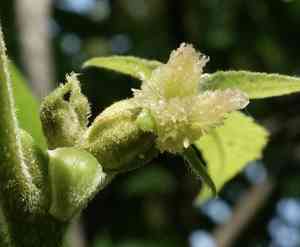
Carya tomentosa is prized for its thick foliage and robust timber. Perform trimming in late winter or early spring, prior to the emergence of new shoots. Eliminate deceased or ailing limbs, reduce density in congested zones, and trim back to sturdy side branches to preserve form and foster well-being. Refrain from extensive pruning, as this can cause duress to the tree. Trimming boosts light penetration and air movement, thereby improving development and nut yield.
What Are the Benefits of Pruning Mockernut Hickory?
What Are the Benefits of Pruning Mockernut Hickory?
Trimming mockernut hickory encourages robust development and preserves its structural integrity. Thoughtful removal of dead or crowded branches improves air circulation and sunlight penetration, leading to a healthier and more attractive specimen.
What Is the Best Time for Pruning Mockernut Hickory?
What Is the Best Time for Pruning Mockernut Hickory?
Late winter is optimal since mockernut hickory is dormant, minimizing stress and the risk of disease spread. Early spring allows wounds to heal before the growing season, without impacting flowering or fruiting.
What Tools Do I Need to Prune Mockernut Hickory?
Hand Pruners
Perfect for making precise cuts on young or slender branches of mockernut hickory under 0.5 inches in diameter.
Loppers
Offer the necessary leverage to cut through medium-sized branches, typically 0.5 to 1.5 inches in diameter, common in mockernut hickory.
Pruning Saw
Designed for larger branches exceeding 1.5 inches in diameter, an essential tool for managing mature mockernut hickory growth.
Pole Pruner
Enables gardeners to reach higher branches without ladders, enhancing safety during mockernut hickory pruning.
Personal Protective Equipment (Gloves and Safety Glasses)
Safeguard the gardener from potential injuries like scrapes or eye damage while pruning mockernut hickory.
How to Prune Mockernut Hickory
Step1: Assessment of Trim Parts
Gather the required tools for pruning mockernut hickory, including shears, loppers, and a saw. Ensure they are clean and sharp to prevent bark tearing and to make clean cuts.
Step2: Pruning Tool Preparation
Begin by removing small dead limbs using pruning shears. Cut just outside the branch collar, the swollen area where the branch meets the trunk or another branch. Avoid cutting into the collar to allow proper healing.
Step3: Dead Limb Removal Technique
Trim damaged branches on mockernut hickory by cutting them back to healthy, living tissue. Make the cut just above a lateral branch or bud facing outwards, to encourage outward growth.
Step4: Damaged Branch Pruning
Identify and eliminate diseased wood from mockernut hickory. These cuts should be made well below affected areas to ensure complete removal of diseased tissue. Sanitize tools after each cut to prevent disease spread.
Step5: Diseased Wood Extraction
Check the overall shape of mockernut hickory and prune for balance and structure, if needed. Remove any crossing branches that rub, as these can cause wounds and entry points for disease.
Step6: Structural Balancing and Clearing
Limit live branch pruning on mockernut hickory to less than one-third of the total canopy in a single season, as excessive pruning can stress the tree and reduce its vigor.
Step7: Live Branch Pruning Limitation
Apply mulch around the base of mockernut hickory after pruning to protect roots, conserve soil moisture, and provide nutrients for recovery. Keep mulch away from the trunk to prevent rot and disease.
Post-Pruning Care for Mockernut Hickory
Post-Pruning Care for Mockernut Hickory
Immediately after pruning mockernut hickory, clean cuts with a sterile solution to prevent infection. Optimize light exposure to aid photosynthesis and recovery, ensuring mockernut hickory is not stressed by excessive sunlight. Maintain moderate humidity and stable temperatures; drastic changes can shock the pruned mockernut hickory. Implement a balanced fertilization regime to replenish nutrients, particularly nitrogen for leaf growth, without over-fertilizing. Regularly inspect for signs of disease or pests, such as wilted leaves or bark discoloration. Promptly address any abnormalities with targeted treatments.
Common Pruning Mistakes with Mockernut Hickory
Overpruning: Avoid removing more than 25% of the crown
Pruning excessively can shock mockernut hickory and potentially lead to poor health or reduced vigor. Removing over 25% of the crown in one season is generally ill-advised.
Improper Cutting: Make clean cuts, prevent stubs and bark tears
Making incorrect cuts, such as leaving stubs or tearing the bark, can expose mockernut hickory to infections and pests. Clean cuts close to the trunk or main branch are crucial for proper healing.
Disregarding Natural Shape: Prune mindful of plant's growth pattern
Ignoring the natural shape and growth pattern of mockernut hickory when trimming can result in an unbalanced and weakened tree. Each cut should consider its impact on the overall form.
Common Pruning Tips for Mockernut Hickory
Remove Dead or Diseased Branches: Essential for plant health
Identify and remove dead, diseased, or broken branches first as these can be pruned at any time and are essential for the health of mockernut hickory.
Use Sharp, Clean Tools: Prevent plant damage and disease
Use sharp, clean tools for making cuts to prevent damage and disease transmission to mockernut hickory. Clean pruning tools between cuts if diseases are suspected.
Prune Crossing Branches: Prevents wounds and disease entry
Target the branches that cross or rub against each other to prevent wounds and potential entry points for pests and diseases in mockernut hickory.
Maintain Central Leader: For strong structure in young trees
Prune to maintain a single central leader in mockernut hickory, especially for younger trees, to promote strong structure and reduce the likelihood of split trunks as the tree matures.
Thin Canopy for Light and Air: Reduces fungal infections risk
Thin out the canopy to allow light and air to penetrate, which promotes healthy growth and reduces the chance of fungal infections in mockernut hickory. Avoid 'topping' or making large cuts to reduce height, as this can lead to weak new growth.



