How to Transplant Hottentot fig?
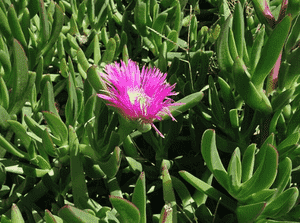
The ideal period for relocating hottentot fig extends from the milder days of late spring through the abundant mid-summer, ensuring superior root development. Select a bright spot featuring soil that drains effectively. Remember to position them with ample room to facilitate unrestricted expansion.
Essential Preparations Before Relocating Hottentot Fig
Optimal Period for Relocating Hottentot Fig?
The best time to move hottentot fig is from the peak of spring into the warmth of midsummer. This timeframe provides abundant sunlight and mild weather, promoting robust root development and growth. Shifting hottentot fig during this window ensures its prosperity, as the stable conditions are favorable for acclimatization and recovery. It's the perfect opportunity for hottentot fig to display its vivid colors in your garden, supported by summer's nurturing embrace.
Required Spacing Between Hottentot Fig Plants?
When preparing to plant your hottentot fig, ensure ample room for expansion. A good guideline is to position them 24-36 inches (61-91 cm) apart. This spacing allows each hottentot fig sufficient area to develop and flourish without becoming overcrowded.
Ideal Soil Blend for Hottentot Fig Relocation?
Your hottentot fig will thrive in well-draining soil with a slightly sandy textureâthis mimics its natural environment. Prior to planting, enrich the soil with a general-purpose fertilizer to give your hottentot fig a strong beginning.
Optimal Location for Your Hottentot Fig?
Select a site for your hottentot fig where sunlight is consistently present. Full sun is perfect for these sun-loving plants, so aim for a spot where they can absorb rays for at least 6 hours daily.
Tools Required Before Transplanting Hottentot Fig?
Gardening Gloves
To safeguard your hands while handling soil and plants.
Trowel
For excavating small holes and managing the plant during the relocation process.
Shovel or Spade
To extract the hottentot fig from its original spot if it's being moved from the ground, and for digging the new hole where it will be placed.
Watering Can
For hydrating the plant before and after the relocation to minimize transplant shock.
Pruning Shears
To trim any damaged roots or foliage prior to transplanting.
Wheelbarrow or Garden Cart
To move the hottentot fig and soil if needed.
Rooting Hormone (optional)
To stimulate root development post-transplant, especially beneficial for cuttings.
How to Extract Hottentot Fig from the Soil?
How to Extract Hottentot Fig from the Soil?
From Ground: First, moisten the hottentot fig plant to soften the soil and facilitate removal. Next, dig a wide trench around the plant using a shovel or spade, ensuring a generous margin around the root ball to keep it intact. Gently work the spade beneath the root ball to lift the plant from its initial location without harming the roots.From Pot: Hydrate the hottentot fig plant to help loosen the soil. Invert the pot and gently tap its sides to dislodge the plant. Carefully slide the plant out, ensuring you support the soil and root ball with your hand. If the plant is stuck, you can gently squeeze the pot (if flexible) or run a trowel along the soil's edge to aid release.From Seedling Tray: Water the soil in the tray to prevent roots from adhering to the cell walls. Use a trowel or similar tool to carefully lift the hottentot fig seedling by its root ball, taking care not to damage the roots or stem.
Step-by-Step Guide for Relocating Hottentot Fig
Hole Preparation
Excavate a hole in the new site that is twice as wide and equally deep as the hottentot fig's root ball. Loosen the soil at the base of the hole to encourage root penetration.
Plant Positioning
Carefully place the hottentot fig into the center of the hole at the same depth it was previously growing. Gently spread out the roots if they are compressed or circling.
Backfill the Hole
Refill the hole with the native soil removed earlier, lightly tamping it down as you go to eliminate air pockets. Avoid compacting the soil too firmly, as this can impede root growth.
Immediate Watering
Water the hottentot fig generously right after transplanting to settle the soil around the roots and assist with recovery from transplant shock.
Support Structures
If the hottentot fig is large or top-heavy, insert a stake near the base for support. Tie it loosely with plant ties or soft materials to prevent stem damage.
Post-Transplant Care for Hottentot Fig
Regular Observation
Inspect the hottentot fig daily for the initial few weeks to monitor its adjustment to the new environment and modify care as needed.
Root Development
Promote root growth by keeping the soil consistently moist but not waterlogged. Avoid allowing the soil to completely dry out between waterings.
Pruning
Trim any parts of the hottentot fig that appear dead or damaged from the transplant to encourage new growth and facilitate a swift recovery.
Protection from Elements
Provide temporary shade if extreme weather conditions are anticipated shortly after transplanting, such as heatwaves or frosts.
Weed Management
Keep the area around the hottentot fig free of weeds to prevent competition for nutrients and water.
Troubleshooting Common Issues with Hottentot Fig Relocation.
When is the optimal time to move hottentot fig?
Aim for the late spring to early summer period, maximizing growth potential with longer, warmer days.
What spacing is recommended for hottentot fig?
For ample room to flourish, position hottentot fig approximately 24-36 inches (61-91 cm) apart.
What soil is best for relocating hottentot fig?
Well-draining soil with some sand is ideal to support hottentot fig's root system and prevent rot.
How much sun does hottentot fig require after transplanting?
Place hottentot fig in full sun, ensuring it receives at least 6 hours of direct sunlight daily.
What if hottentot fig's leaves wilt post-transplant?
Ensure the soil is moist, not saturated; wilting can indicate either excessive or insufficient watering.
Should I fertilize hottentot fig after transplanting?
Initially, refrain from fertilizing; allow hottentot fig to adjust to its new location using existing soil nutrients.
How do I prepare the ground for hottentot fig transplants?
Remove weeds, loosen the soil, and incorporate compost for enriched earth preparation.
Can hottentot fig be transplanted on an overcast day?
Yes, a cloudy day is perfect as it lessens transplant shock by avoiding intense heat or light.
How do I water hottentot fig after transplanting?
Water thoroughly after planting and then regularly, maintaining consistent soil moisture until established.
Can I transplant hottentot fig near other plants?
Absolutely, just ensure its neighbors have similar sun, water, and soil needs to thrive together.



