Enhancing Your Garden Design with the Hottentot fig Plant: A Landscaping Guide
1
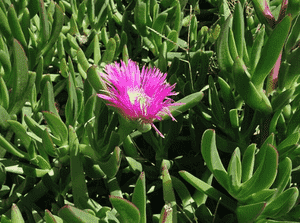
The Hottentot fig is recognized for its vivid, fleshy leaves and striking, brightly colored blooms.
2
This plant is resilient, making it a superb choice for landscapes requiring minimal upkeep.
3
Adding Hottentot fig can enhance biological diversity and aid local environmental systems.
Grasping the Function of Hottentot fig in Garden Design
Fundamental Traits of Hottentot fig Relevant to Garden Planning
A primary step in comprehending how Hottentot fig can improve your garden layout is to become acquainted with its core attributes. Hottentot fig is a succulent featuring thick, fleshy leaves that store water, making it highly resistant to drought. This characteristic is especially advantageous for gardeners in arid regions or those aiming for a water-efficient garden. Beyond its succulent nature, Hottentot fig produces striking, vivid blooms ranging from pink to deep magenta, adding a burst of color to any garden. The plant's spreading growth habit allows it to cover ground effectively, aiding in soil erosion prevention and weed suppression.
Aesthetic Advantages: Introducing Color and Texture to Your Garden
Integrating Hottentot fig into your landscape can offer numerous visual benefits. The bold, fleshy foliage of Hottentot fig provides a distinct texture that beautifully contrasts with other plant forms, such as grasses and shrubs. This textural diversity can make your garden more visually captivating. Furthermore, the vibrant flowers of Hottentot fig can establish stunning focal points in your garden design or provide attractive ground cover when planted extensively. This plant's capacity to flourish in various soil types and conditions means it can bring vibrancy and life to even the most challenging garden areas.
Ecological Impact: How Hottentot fig Can Support Local Ecosystems
Hottentot fig is more than just visually appealing; it plays a vital role in sustaining local ecosystems. This plant is renowned for its resistance to pests and diseases, lessening the need for chemical treatments that can harm the environment. Additionally, Hottentot fig offers shelter and sustenance for various pollinators, such as bees and butterflies, fostering local biodiversity. Its extensive root system helps stabilize soil, preventing erosion and preserving soil health. These environmental advantages make Hottentot fig an excellent choice for environmentally conscious gardeners seeking to make a positive impact while enhancing their landscape design.
Integrating Hottentot fig into Diverse Landscape Designs
Optimal Environments for Hottentot fig: From Cottage Gardens to Coastal Settings
Hottentot fig is a adaptable plant that fits seamlessly into various landscape styles. In cottage gardens, its lush, sprawling growth can contribute to the informal, abundant appearance characteristic of this style. Meanwhile, in coastal or beach-themed gardens, the plantâs salt tolerance and rugged beauty make it a natural fit. Hottentot fig can also thrive in rock gardens or as part of a xeriscape, where its ability to endure dry conditions is a significant asset. By understanding the ideal settings for Hottentot fig, you can effectively incorporate this plant into your landscape, enhancing both its aesthetic and practical appeal.
Companion Plants for Hottentot fig: Recommendations for Harmonious Groupings
Selecting appropriate companion plants for Hottentot fig can result in a harmonious and visually pleasing landscape design. Consider pairing Hottentot fig with other drought-tolerant plants like lavender, rosemary, or sage. These plants not only share similar water requirements but also offer complementary colors and textures. Succulents such as aloes and agaves can also be excellent companions, as they share Hottentot fig's ability to thrive in sandy, well-draining soils. Creating plant groupings with Hottentot fig and its companions can lead to a balanced and cohesive garden that is both beautiful and easy to maintain.
Design Advice: Layout and Spacing Concepts for Optimal Growth and Visual Appeal
When planning to incorporate Hottentot fig into your landscape, consider its growth habit and spacing requirements. This plant tends to spread, so providing ample room for it to expand will allow it to grow healthily without crowding other plants. Utilize Hottentot fig as ground cover to fill in bare areas or plant it along borders to define garden edges with its striking foliage. In rock or coastal gardens, positioning Hottentot fig among rocks or sandy areas can mimic its natural habitat, enhancing the garden's authenticity. Careful planning and strategic placement of Hottentot fig can lead to a thriving landscape that is both functional and visually appealing.
Caring for Hottentot fig in Your Landscape
Seasonal Considerations: Best Practices Throughout the Year
Maintaining Hottentot fig in your landscape involves understanding its needs across different seasons. During spring and summer, Hottentot fig will benefit from consistent watering, especially if you experience extended dry periods. However, be careful not to overwater, as Hottentot fig is susceptible to root rot if the soil remains too moist. In autumn, reduce watering and begin preparing the plant for winter. Mulching around the base can help protect the roots from extreme cold. Hottentot fig is generally hardy, but in colder climates, providing some form of frost protection can ensure it survives the winter and continues to thrive in the subsequent growing season.
Common Problems and Simple Solutions for Maintaining Hottentot fig's Health
While Hottentot fig is relatively low-maintenance, it's still important to be aware of potential issues. Pests such as aphids or mealybugs can occasionally be a problem, but these can be managed with insecticidal soap or natural predators like ladybugs. If you notice yellowing leaves or stunted growth, it could indicate overwatering or poor drainage. Ensuring well-draining soil and adjusting your watering schedule can resolve these issues. Regularly checking your plants for signs of distress and addressing problems early can keep Hottentot fig healthy and vibrant all year round.
Long-Term Care Strategies for Sustainability and Aesthetics
For long-term care of Hottentot fig, focus on sustainable practices that ensure both the plant's health and the broader environment. Incorporate organic mulches and compost to enrich the soil naturally and reduce the need for chemical fertilizers. Pruning any dead or damaged parts can help maintain the plant's aesthetic appeal and encourage healthier growth. Moreover, consider propagating Hottentot fig by taking cuttings from established plants; this is an easy and cost-effective way to increase your plantings. By following sustainable care practices, you can ensure that Hottentot fig continues to enhance your landscape for years to come.



