How to Transplant True fox sedge?
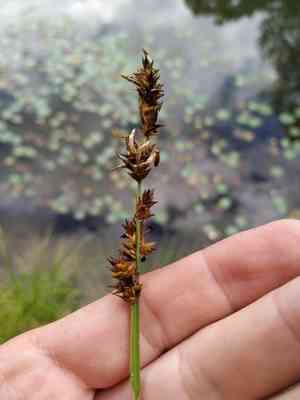
Carex vulpinoidea flourishes when relocated from early to late spring or mid to late autumn, benefiting from moderate temperatures. It favors damp, adequately drained earth in areas ranging from partial shade to full sun. Steer clear of overly saturated ground to foster robust development.
What Preparations are Needed Before Transplanting True Fox Sedge?
What is the Ideal Time for Transplanting True Fox Sedge?
True fox sedge, a perennial, flourishes when moved from early to late spring or mid to late autumn. These periods provide mild temperatures and sufficient soil moisture, aiding root development. Relocating during these times minimizes plant stress and maximizes growth potential, ensuring a healthy transition and strong development.
How Much Space Should You Leave Between True Fox Sedge Plants?
Ensure to position true fox sedge plants 12-18 inches (30-45 cm) apart. This will provide them with ample room to expand and mature without becoming overcrowded.
What is the Best Soil Mix for True Fox Sedge Transplanting?
Prepare well-draining soil for true fox sedge with a blend of loam and organic compost. Incorporating a base layer of slow-release fertilizer will supply essential nutrients.
Where Should You Relocate Your True Fox Sedge?
Place true fox sedge in an area that receives full sun to partial shade. This ensures they get adequate light for robust growth and vibrant foliage.
What Equipments Should You Prepare Before Transplantation True Fox Sedge?
Gardening Gloves
To safeguard your hands while handling soil and plants.
Garden Shovel or Spade
To excavate the plant and prepare the new planting hole.
Watering Can or Hose
To hydrate the plant before and after relocation.
Garden Trowel
For more precise digging and managing smaller soil quantities.
Pruning Shears
To trim any damaged roots or leaves.
Bucket or Container
To safely move the plant if transporting it a distance.
How Do You Remove True Fox Sedge from the Soil?
How Do You Remove True Fox Sedge from the Soil?
From Ground: First, irrigate the true fox sedge plant to moisten the soil. Then, dig a wide trench around the plant using a shovel or spade, ensuring the plant's root ball remains intact. Carefully work the spade beneath the root ball and gently lift the plant from its original spot.From Pot: Begin by watering the true fox sedge plant to ensure the soil is damp and easier to manage. Tilt the pot slightly and gently tap the sides to loosen the soil. Carefully slide the plant out of the pot, supporting the root ball with your hand. If the plant is resistant, you may need to gently squeeze the pot or use a garden trowel to loosen the edges.From Seedling Tray: Water the seedlings to dampen the soil. Use a garden trowel or your fingers to gently lift each true fox sedge seedling from the tray, taking care not to harm the delicate roots. Hold the seedlings by their leaves rather than the stems to avoid crushing them.
Step-by-Step Guide for Transplanting True Fox Sedge
Preparation
Water the true fox sedge thoroughly before removal to lessen stress on the plant.
Digging the Hole
Prepare a new hole in the ground that's twice as wide and deep as the true fox sedge plant's root ball. Loosen the soil at the bottom to aid root penetration.
Transplanting
Place the true fox sedge plant in the prepared hole, ensuring the top of the root ball is level with the ground surface. Fill the hole with soil, gently pressing down to eliminate air pockets.
Watering
Water the plant generously after transplanting to help settle the soil around the roots.
Mulching
Apply a layer of mulch around the base of the true fox sedge plant to retain moisture and regulate temperature.
How Do You Care For True Fox Sedge After Transplanting?
Watering
Keep the soil around the true fox sedge consistently moist, but not waterlogged, for the initial few weeks after transplanting to help establish strong roots.
Monitoring
Regularly inspect the true fox sedge for signs of transplant shock, such as wilting or yellowing leaves. If necessary, provide additional water and shade.
Pruning
Trim back any damaged or dead leaves to reduce stress on the plant and encourage healthy new growth.
Fertilizing
Wait a few weeks before applying a light fertilizer to encourage healthy growth without overwhelming the plant.
Troubleshooting Common Issues with True Fox Sedge Transplantation.
What is the best time to transplant true fox sedge?
Early or late spring and mid to late fall are optimal for relocating true fox sedge.
How should I prepare the soil before transplanting true fox sedge?
Loosen the soil to 10-12 inches (25-30 cm) deep and enrich with compost or organic matter.
What is the ideal spacing for transplanting true fox sedge?
Space each true fox sedge plant 12-18 inches (30-45 cm) apart for optimal growth.
How do I ensure proper drainage for true fox sedge?
Mix sand or gravel into the soil if it is overly compact to enhance drainage.
What should I do if true fox sedge shows signs of transplant shock?
Water deeply and maintain consistent moisture in the soil to help the plant recover.
How can I protect true fox sedge during hot weather after transplanting?
Use mulch around the base to retain moisture and provide shade during peak sun hours.
Is it necessary to trim true fox sedge before transplanting?
Yes, trimming back a third of the foliage can reduce stress and improve establishment.
How can I improve root growth for newly transplanted true fox sedge?
Apply a root stimulator or a diluted seaweed solution to support root development.
When should I water true fox sedge after transplanting?
Water immediately after transplanting and keep the soil consistently moist for the first few weeks.
What type of mulch is best for true fox sedge?
Organic mulch like straw, bark, or wood chips works best, maintaining moisture and preventing weeds.



