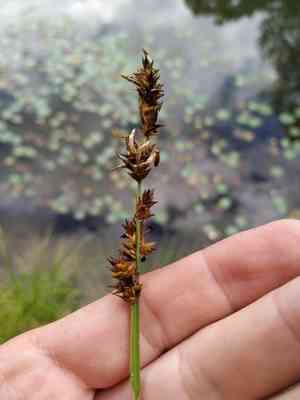
True fox sedge (Carex vulpina)
Also known as: True Fox Sedge
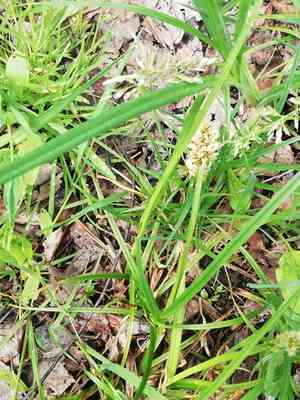
True fox sedge (Carex vulpinoidea) is a resilient perennial that flourishes in wet environments such as riverbanks and wetlands. It features thick clusters of shiny, dark green leaves and brownish flower spikes, reminiscent of a fox's tail. This plant's strong root system is essential for preventing soil erosion, thereby maintaining the integrity and health of its ecosystem.
In This Article
Attributes of True fox sedge
Lifespan
Perennial
Plant Type
Grass
Plant Height
50-100 cm
Spread
Not applicable (clump-forming)
Leaf Color
Bright green
Flower Size
2-3 mm
Flower Color
Brown
Images of True fox sedge
Quickly Identify True fox sedge
1
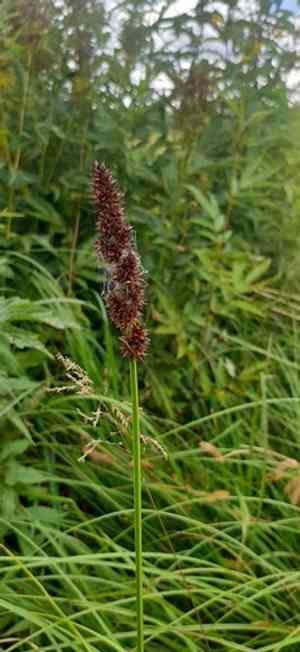
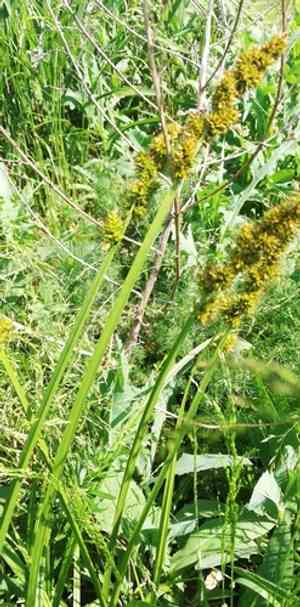
Carex vulpina can be identified by its bright green, grass-like leaves that are sharply triangled in cross-section. The plant produces dense clusters of brown flowering spikes, which can help distinguish it from other sedges.
Scientific Classification of True fox sedge
Phylum
Vascular plants
Class
Monocotyledons
Order
Poales
Family
Sedge
Genus
True sedges
Species
True fox sedge
Planting and Growing of True fox sedge
Care Difficulty
Easy
Watering Schedule
Every 3 days
Sunlight Requirements
Partial sun
Sunshine Duration
6-8 hours
Ideal Temperature
60-77℉
Soil Type
Potting Mix, Peat Mix
Soil pH
6.5-7.5
Fertilizer Type
Balanced
Pruning Season
Spring, Summer
Pruning Area
Branches, Leaves
Pruning Frequency
2 times a year
Repotting Season
Spring
Pot Type
Terracotta, Plastic
 How to Water True fox sedge?
For Carex vulpina, it's important to water until the soil is evenly moist but not waterlogged. Aiming for about 500 ml per watering session generally suffices, allowing the soil to dry slightly between watering. This plant thrives in a consistently moist environment, simulating its natural wetland habitat.
What are the symptoms of an underwatered True fox sedge?
›
What should I do if my True fox sedge is not getting enough water?
›
What are the symptoms of an overwatered True fox sedge?
›
How to save an overwatered True fox sedge?
›
 What Are the Sunlight Requirements for True fox sedge?
Partial sun to full shade is ideal, ensuring Carex vulpina grows in a stable environment. This lighting range minimizes stress, promotes lush growth, and enhances resistance to pests and diseases.
What is the best lighting for Carex vulpina?
›
How to achieve ideal lighting conditions?
›
What are the benefits of ideal lighting?
›
 What Is the Ideal Temperature Range for True fox sedge?
Carex vulpina thrives best within a temperature range of 60°F to 77°F. This range ensures robust growth and helps prevent stress-related issues. Maintaining this range allows the plant to photosynthesize efficiently and use nutrients effectively.
 What Soil is Best for True fox sedge?
Carex vulpina thrives in soils that can retain moisture effectively. A well-moisturized soil ensures the plant gets adequate hydration even during dry spells, promoting lush growth and vibrant foliage. Rich in organic matter, the soil should support the nutrient needs of Carex vulpina. Nutrient-rich soils allow for robust root development and enhanced resistance against pests and diseases. Despite needing moisture, the soil must have good drainage to prevent waterlogging which can lead to root rot. Proper drainage helps maintain plant health by preventing the accumulation of excess water around the roots.
 How to Fertilize True fox sedge?
For Carex vulpina, a moderate fertilizer application is ideal. Use a balanced liquid fertilizer, diluted to half its strength, about two tablespoons per application. However, do not exceed this amount, as it may lead to nutrient burn.
 How to Prune True fox sedge?
Start by inspecting the plant for any dead or yellowing leaves, and trim these away at the base. Then, shape the plant by trimming back the longest stalks to encourage denser growth. Use clean, sharp scissors or pruning shears to avoid tearing the leaves, which could lead to infection. After reshaping, remove any debris around the base of the plant to ensure good air circulation.
More About Pruning Techniques→
 How to Propagate True fox sedge plant?
1
Typically performed in late summer to early autumn when seeds are ripe. Collect seeds from healthy plants, ensuring they are dry before storage. This enhances viability and storage longevity until spring sowing.
2
Mix equal parts of peat and perlite to create a lightweight, well-draining soil mix. This medium supports healthy root development and reduces the risk of diseases like rot in young plant cuttings.
3
In early spring, use a sharp knife or spade to divide mature clumps into smaller sections. Ensure each division has roots attached and immediately replant them to minimize stress and shock to the plant.
 How to Repot True fox sedge plant?
1
Look for signals that your Carex vulpina needs repotting, such as roots poking through drainage holes, a noticeable slowdown in growth, or soil that dries out too quickly. These signs indicate it's time to move the plant to a larger space to allow its roots to spread and thrive.
2
Select a pot that's 1-2 inches larger in diameter than the current one. A pot with drainage holes is crucial to prevent waterlogging. The extra space will promote better root development and reduce the frequency of needing to repot, ultimately contributing to a healthier plant.
3
The ideal soil blend for Carex vulpina should be loamy with excellent drainage. A mix that retains moisture but allows excess water to escape is perfect as it mirrors the plant’s natural habitat, reducing the risk of root rot while maintaining adequate moisture.
Learn More About True fox sedge Diseases
Anthracnose
Bacterial Leaf Spot
Bacterial Soft Rot
Chemical Injury
Damping-off
Downy Mildew
Drought Stress
Fusarium Wilt
Gray Mold
Leaf Spot
Mosaic
Nutrient Deficiency
Nutrient Toxicity
Powdery Mildew
Root Rot
Root-knot Nematode
Rusts
Sooty Mold
Spider Mites
Temperature Stress
Thrips Damage
White Mold



