How to Prune True fox sedge?
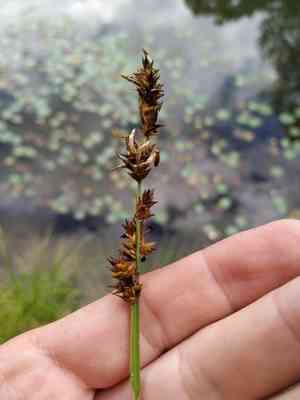
A wetland plant resembling grass, true fox sedge flourishes in damp conditions, characterized by its unique clump-forming leaves. Trim true fox sedge in the early spring or during winter prior to the emergence of new shoots. Eliminating aged, lifeless foliage revitalizes the plant, stimulates new development, and preserves a neat look. This schedule avoids subjecting the plant to stress during its active growth phases and optimizes health advantages, such as better air movement and decreased disease occurrence. Trimming is crucial for managing its expansion and improving the visual appeal of the landscape.
Advantages of Trimming True Fox Sedge
Advantages of Trimming True Fox Sedge
Trimming true fox sedge promotes robust development and helps maintain its thick, clumped form. Regular removal of older stalks encourages fresh, healthy shoots, enhancing the plant's overall vitality and visual appeal.
Optimal Period for Trimming True Fox Sedge
Optimal Period for Trimming True Fox Sedge
Trimming true fox sedge in early spring is ideal as this timing supports vigorous growth during the active season, aligning with the plant's natural cycle post-winter dormancy. Pruning in winter, while true fox sedge is inactive, minimizes stress and potential harm to the plant. This allows for healthy recovery and strong spring growth, avoiding disruption of blooming phases and preserving the plantâs health.
Tools Required for Trimming True Fox Sedge
Hand Pruners
Perfect for precise trimming of true fox sedge's leaves. These enable controlled cuts, helping preserve the plant's health by removing old or dead foliage and stems without harming new growth.
Grass Shears
Effective for shaping and maintaining the overall structure of true fox sedge. Their design allows access to difficult-to-reach areas within dense clumps.
Long-Handled Shears
Beneficial for larger areas of true fox sedge needing a more extensive trim. The long handles provide reach and leverage, especially useful for reducing physical strain during prolonged pruning sessions.
How to Trim True Fox Sedge
Identify
Locate the diseased and withered leaves on true fox sedge. Carefully inspect each leaf to ensure accurate identification without damaging healthy foliage.
Prepare
Gather appropriate trimming tools, such as sharp and sanitized pruning shears or scissors. Sterilize them with alcohol to prevent the spread of any plant pathogens.
Cut diseased
Carefully cut the diseased leaves of true fox sedge at the base of the leaf, near the stem. Ensure cuts are clean and avoid tearing, which can create entry points for disease.
Cut withered
Trim the withered leaves using the same method described in step 3. This will help deter pests and diseases from exploiting decaying plant material.
Cleanup
Collect all removed leaves and properly dispose of them away from healthy vegetation to prevent any potential spread of disease back to true fox sedge or other plants.
Common Trimming Errors with True Fox Sedge
Over-trimming
A frequent error when trimming true fox sedge is removing too much foliage at once. This can stress the plant, leading to reduced vigor and sparse development.
Incorrect cuts
Making cuts too far from the crown or in the middle of the leaves can result in uneven regrowth and harm the plantâs natural form.
Trimming healthy foliage
Removing healthy, green foliage unnecessarily can hinder the plantâs ability to photosynthesize and thrive, particularly affecting its lush appearance.
General Trimming Advice for True Fox Sedge
Selective removal
Focus on removing dead or damaged foliage to maintain the health and appearance of true fox sedge. This helps prevent disease and encourages more vigorous growth.
Cut at base
When trimming, make cuts close to the plant's base. This technique promotes healthier, denser growth and maintains the natural shape of true fox sedge.
Clean tools
Always use clean, sharp pruning shears to prevent the spread of pests and diseases between plants. Disinfect tools before and after trimming true fox sedge to ensure optimal plant health.



