How to Transplant Weak arctic sedge?
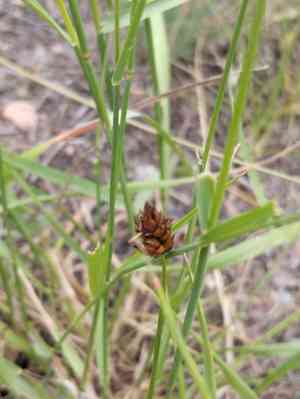
The optimal period for relocating frail arctic sedge spans from the conclusion of spring to the middle of summer, or from late autumn to the beginning of winter. This duration facilitates the development of a robust root system. Select locations that offer good drainage, cool temperatures, and dappled sunlight for superior outcomes. Enjoy your transplanting endeavors!
What Preparations are Needed Before Transplanting Weak Arctic Sedge?
What is the Ideal Time for Transplanting Weak Arctic Sedge?
The best time to move weak arctic sedge is from late spring to mid-summer or late autumn to early winter. Relocating during these times allows the plant to establish roots under favorable conditions, leading to increased hardiness and improved growth. These seasons offer sufficient moisture and moderate temperatures, boosting transplant success.
How Much Space Should You Leave Between Weak Arctic Sedge Plants?
When transplanting weak arctic sedge, leave 12-18 inches (30-45 cm) between each plant. This spacing provides ample room for each plant to grow and flourish without being crowded.
What is the Best Soil Mix for Weak Arctic Sedge Transplanting?
Ensure the soil drains well and has average fertility. Incorporate a balanced, slow-release base fertilizer into the soil as you prepare it for weak arctic sedge. This aids in developing strong root growth.
Where Should You Relocate Your Weak Arctic Sedge?
Select a spot that gets full sunlight, ideally 6-8 hours daily, for weak arctic sedge. While it can endure partial shade, full sun ensures optimal growth and health for this perennial.
What Equipments Should You Prepare Before Transplantation Weak Arctic Sedge?
Gardening Gloves
To safeguard your hands while handling soil and plants.
Shovel or Spade
For excavating the plant from its original spot and preparing the new planting hole.
Hand Trowel
To assist with digging and moving smaller soil clumps.
Garden Fork
For gently lifting the plant from the ground to prevent root damage.
Watering Can or Hose
For hydrating the plant before and after relocation.
Bucket or Container
To transport the plant if it needs to be moved a considerable distance.
How Do You Remove Weak Arctic Sedge from the Soil?
How Do You Remove Weak Arctic Sedge from the Soil?
From Ground: First, water the weak arctic sedge plant to moisten the soil. Then, dig a wide trench around the plant using a shovel or spade, ensuring the plant's root ball stays intact. Carefully work the spade beneath the root ball to lift the plant from its original location.From Pot: Water the weak arctic sedge plant thoroughly to loosen the soil. Gently tap the pot's sides to free the root ball. Hold the plant's base and carefully slide it out of the pot, making sure the root system remains undamaged.From Seedling Tray: Water the seedlings to dampen the soil. Use a small trowel or your fingers to gently lift each seedling from the tray, taking care not to harm the delicate roots.
Step-by-Step Guide for Transplanting Weak Arctic Sedge
Prep The New Site
Ensure the new planting area is ready with the correct soil type and conditions for weak arctic sedge.
Dig The Hole
Excavate a hole in the new spot, slightly larger than the root ball of the weak arctic sedge plant.
Move The Plant
Carefully transfer the weak arctic sedge plant into the new hole, ensuring the root ball is not harmed.
Place The Plant
Position the weak arctic sedge plant in the hole at the same depth it was growing in its previous location.
Backfill and Firm
Fill the hole around the weak arctic sedge plant with soil, gently firming it to remove air pockets.
Water Thoroughly
Water the weak arctic sedge plant well, ensuring the soil is damp but not waterlogged.
Mulch
Apply a layer of mulch around the base of the weak arctic sedge plant to help retain moisture and suppress weeds.
How Do You Care For Weak Arctic Sedge After Transplanting?
Watering
Keep the soil around the weak arctic sedge consistently moist, but not waterlogged, for the initial weeks after transplanting to help establish strong roots.
Monitoring
Look for signs of stress, such as yellowing leaves or wilting, and address any issues quickly.
Weed Control
Regularly remove weeds from around the weak arctic sedge plant's base to reduce competition for nutrients and water.
Protection
If needed, install supports or protective barriers to shield the weak arctic sedge plant from strong winds or pests.
Troubleshooting Common Issues with Weak Arctic Sedge Transplantation.
When is the best time to transplant weak arctic sedge?
Late spring to mid-summer or late fall to early winter are optimal periods for transplanting.
What spacing should I maintain for weak arctic sedge?
Plant weak arctic sedge 12-18 inches (30-45 cm) apart to ensure proper growth and development.
How deep should I plant weak arctic sedge?
Plant at the same depth it was growing previously, typically around 6-8 inches (15-20 cm).
What soil conditions are best for weak arctic sedge?
Well-draining, moist soil with a good mix of organic matter is ideal for weak arctic sedge.
How much water does weak arctic sedge need after transplanting?
Water thoroughly immediately after transplanting and keep the soil consistently moist but not soggy.
Do I need to fertilize weak arctic sedge after transplanting?
A light application of balanced fertilizer can help, but avoid over-fertilizing.
Should weak arctic sedge be transplanted in full sun or shade?
Plant in a location that receives partial to full sunlight for the best growth results.
How can I protect weak arctic sedge from transplant shock?
Reduce direct sunlight for a few days and keep the soil moist to prevent shock.
Are there pests I should watch for after transplanting weak arctic sedge?
Monitor for common pests like aphids and slugs, and treat with appropriate measures if found.
How can I ensure weak arctic sedge establishes well after being transplanted?
Consistent watering, mulching, and avoiding over-fertilization help establish the plant effectively.



