How to Propagate Weak arctic sedge?
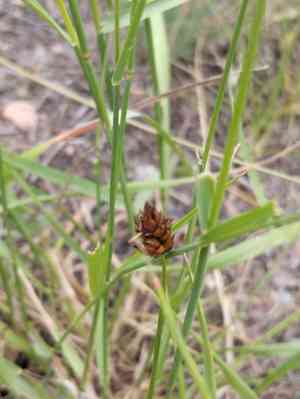
Weak arctic sedge flourishes most effectively when multiplied via separation, a technique perfectly aligned with its natural development patterns. For successful cultivation, segment the plant so that every piece includes a segment of the root structure. Gently pull apart the clusters to reduce harm to the roots, which is vital for the plant's recuperation and subsequent growth after relocation. This method fosters vigorous expansion, allowing cultivators to efficiently enlarge their stock of weak arctic sedge.
What Is the Best Time To Propagate Weak Arctic Sedge?
Propagation Type
Division
Propagation Season
Spring,Autumn
What Tools Are Used in Weak Arctic Sedge Propagation?
Garden Spade
A garden spade is essential for dividing weak arctic sedge, involving careful excavation around the plant to lift it without excessive root disturbance. Its sharp, flat blade is perfect for cutting through soil and severing larger root systems cleanly, minimizing plant damage and stress.
Root Pruning Shears
Root pruning shears are vital for dividing weak arctic sedge, specifically for cutting through tougher, tangled roots. This tool enables precise cuts, crucial for preventing unnecessary root tearing. Clean, sharp cuts aid in quicker recovery and healthier regrowth post-planting.
Garden Fork
A garden fork is employed to loosen the soil around weak arctic sedge before lifting it for division. Its tines effectively aerate the soil without causing significant root damage. This tool is particularly useful for gently separating root clumps, simplifying the division of the plant into smaller sections.
Watering Can with Fine Rose
After division, it's critical to ensure weak arctic sedge receives adequate water to aid root establishment and reduce transplant shock. A watering can with a fine rose distributes water evenly and gently, preventing soil erosion around the newly planted sections.
Planting Pots (if applicable)
If weak arctic sedge divisions are to be initially grown separately, appropriately sized planting pots are needed. These facilitate managing environmental conditions, allowing each new plant segment to gradually adapt before being moved to a permanent outdoor spot.
How to Propagate Weak Arctic Sedge?
Propagation Type
Easy
How to Care for Your Newly Propagated Weak Arctic Sedge?
How to Care for Your Newly Propagated Weak Arctic Sedge?
Post-propagation, continue caring for weak arctic sedge by maintaining moist soil conditions without waterlogging. Apply mulch around the base to retain moisture and suppress weeds. Fertilize annually with a balanced, slow-release product to support growth. In colder regions, protect weak arctic sedge in winter with a thicker mulch layer. Monitor for common pests and diseases, treating as needed. Regular removal of dead foliage will keep weak arctic sedge healthy and promote vigorous growth.
Common Mistakes to Avoid When Propagating Weak Arctic Sedge
Overwatering
Excessive watering can cause root rot and other fungal issues, especially as weak arctic sedge prefers well-drained soil. Too much moisture deprives roots of essential oxygen, compromising plant health.
Inadequate Light
Weak arctic sedge requires specific light conditions. Providing too much or too little light can impede its growth and hinder successful propagation.
Using Poor Soil
Employing unsuitable soil types can prevent successful propagation of weak arctic sedge. Soil that doesn't mimic weak arctic sedge's natural habitat may not support its root development or overall vitality.
Deep Planting
Planting weak arctic sedge too deeply can cause rhizomes or seeds to rot or fail to germinate. This error can severely delay or inhibit the propagation process.
Tips For Propagating Weak Arctic Sedge
Appropriate Watering
Maintaining balanced soil moisture is vital. Ensure the soil is consistently damp but not waterlogged to support healthy growth and successful propagation of weak arctic sedge.
Optimal Light Conditions
Provide weak arctic sedge with the amount of light it would naturally receive in its habitat. This typically means partial shade, mimicking its natural arctic and subarctic surroundings.
Use Suitable Soil Mix
Prepare a soil mixture that closely resembles weak arctic sedge's natural soil, typically a sandy loam with good drainage. This helps mimic the native conditions where weak arctic sedge thrives, promoting better root health and plant vigor.
Shallow Planting
When propagating weak arctic sedge, ensure that seeds or rhizomes are planted shallowly. This maximizes exposure to light and air, which is necessary for successful germination and growth.



