How to Prune Weak arctic sedge?
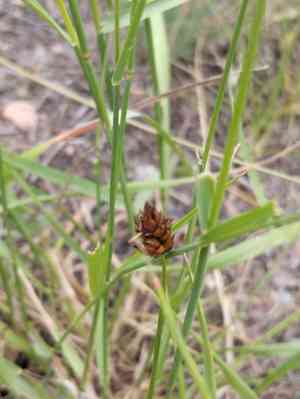
This resilient perennial, recognized for its dense, clumped structure, weak arctic sedge flourishes in colder climates. Perform most trimming in early spring or during winter to eliminate deceased or compromised leaves and stimulate fresh development. Strategic trimming aids in preserving its tidy look and fosters robust, thick groupings. Consistent pruning also yields advantages such as enhanced plant vitality and a lower occurrence of ailments. Such upkeep guarantees the enduring presence and aesthetic appeal of weak arctic sedge in various garden landscapes.
What Are the Benefits of Pruning Weak Arctic Sedge?
What Are the Benefits of Pruning Weak Arctic Sedge?
Trimming weak arctic sedge promotes robust development and helps maintain its form, ensuring it flourishes in garden areas or landscapes. Regular trimming prevents congestion, fostering healthier plants.
What Is the Best Time for Pruning Weak Arctic Sedge?
What Is the Best Time for Pruning Weak Arctic Sedge?
Trimming weak arctic sedge in early spring is optimal as it coincides with the period just before new growth begins, ensuring that any cutbacks do not hinder the plant's natural development cycle. This timing helps stimulate fresh growth as temperatures rise, enhancing the plant's vitality and performance throughout the growing season. Conversely, winter pruning is effective because weak arctic sedge is likely dormant then. Trimming during dormancy minimizes plant stress and reduces the risk of disease infection through cut surfaces, as many pathogens are less active in cold weather. Furthermore, the leafless state of the plant in winter offers a clearer view of its structure, allowing for more precise cuts and maintenance.
What Tools Do I Need to Prune Weak Arctic Sedge?
Sharp scissors or garden shears
These are perfect for precisely trimming the grass-like leaves of weak arctic sedge. Since weak arctic sedge has delicate stems, using sharp, accurate scissors ensures clean cuts without harming the plant.
Hand pruners
Suitable for removing older or dead foliage at the base. Hand pruners offer greater control and can access tighter spots without disturbing nearby plants.
Leaf rake
Though not a pruning tool itself, a gentle rake can help clear any cut or dead material from around weak arctic sedge after pruning, keeping the area neat and disease-free.
How to Prune Weak Arctic Sedge
Preparation
Gather sharp, clean pruning shears. Proper hygiene and sharp tools prevent disease spread and ensure clean cuts that promote healthier regrowth in weak arctic sedge.
Identification
Pinpoint diseased and withered leaves on weak arctic sedge. These leaves often show discoloration, spots, or dry, crumbly textures that differentiate them from healthy foliage.
Cutting
Carefully snip off the diseased and withered leaves at their base. Make cuts as close to the ground as possible, avoiding damage to healthy adjacent foliage and the root crown of weak arctic sedge.
Disposal
Properly discard the removed leaves. Do not compost diseased material as it could harbor pathogens that might infect weak arctic sedge or other plants later.
Clean up
Clean and sanitize the tools used for pruning. This prevents the potential transfer of any pathogens to healthy parts of weak arctic sedge or other plants during future use.
Common Pruning Mistakes with Weak Arctic Sedge
Over pruning
Removing too much foliage from weak arctic sedge can stress the plant, leading to poor growth and reduced vigor. Gardeners should avoid cutting back more than one-third of the plant at any time.
Improper technique
Using dull or dirty pruning tools can damage the delicate stems of weak arctic sedge, potentially introducing disease. Always use sharp, clean shears to make precise cuts.
Pruning healthy tissue
Cutting into green, healthy tissue of weak arctic sedge can hinder its growth. Focus only on removing dead or diseased tissue to maintain plant health and aesthetics.
Neglecting dead tissue
Failing to remove dead or damaged foliage can inhibit the growth of weak arctic sedge by preventing light and air from reaching the healthy parts of the plant.
Common Pruning Tips for Weak Arctic Sedge
Selective pruning
Carefully target dead or diseased tissues when pruning weak arctic sedge. This promotes healthier growth and reduces the risk of spreading pathogens.
Clean cut
Ensure cuts are clean and smooth to promote quicker healing. Avoid tearing the stems, as jagged cuts can be more susceptible to disease.
Prune density
Thin out densely packed areas of weak arctic sedge to increase air circulation and light penetration, crucial for preventing fungal diseases and promoting robust growth.
Tool care
Maintain the condition of pruning tools. Regularly clean and sharpen them to ensure they perform effectively and minimize harm to weak arctic sedge.



