How to Transplant Knotsheath sedge?
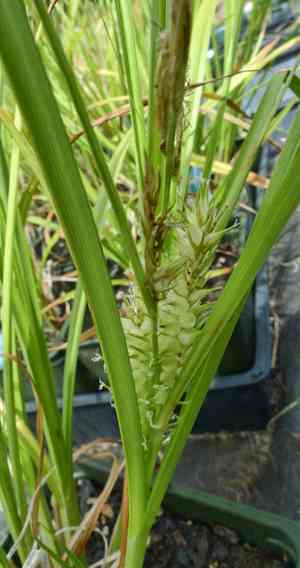
The most favorable period for relocating knotsheath sedge is during the peak of spring's vitality, typically from the middle to the end of the season. Select a location offering dappled sunlight and damp earth to encourage robust root development. Providing a hospitable environment is crucial for a successful transfer.
What Preparations are Needed Before Transplanting Knotsheath Sedge?
What is the Ideal Time for Transplanting Knotsheath Sedge?
The perfect time to move knotsheath sedge is from early spring's awakening until its full development. Relocating knotsheath sedge during the vibrant spring season ensures the ground is warm and damp, providing prime conditions for root establishment. You'll find that in spring's embrace, knotsheath sedge roots adapt quickly, utilizing the growing season's energy to thrive in their new spot.
How Much Space Should You Leave Between Knotsheath Sedge Plants?
Greetings! When preparing to rehome knotsheath sedge, ensure they have sufficient room. Aim for a comfortable yet ample 12-18 inches (30-46 cm) apart. This way, each knotsheath sedge has plenty of space to flourish and reach its full potential!
What is the Best Soil Mix for Knotsheath Sedge Transplanting?
For the optimal subterranean bed, prepare a well-draining, loamy soil mixâit's precisely what knotsheath sedge needs. Before planting, enrich the soil with a light scattering of balanced, slow-release fertilizer to provide a welcoming environment for the roots!
Where Should You Relocate Your Knotsheath Sedge?
Now, where to place your knotsheath sedge? These verdant companions prefer a sunny location with some afternoon shade. Find a spot where the sun intermittently appears throughout the dayâthis will make knotsheath sedge flourish in its new green patch!
What Equipments Should You Prepare Before Transplantation Knotsheath Sedge?
Gardening Gloves
To safeguard your hands while handling soil and plants.
Shovel or Spade
To excavate the knotsheath sedge without harming its root ball.
Garden Trowel
For smaller digging tasks and more precise control.
Watering Can or Hose
To hydrate the plant before and after relocation.
Wheelbarrow
To move the knotsheath sedge from its original spot to the new site.
Pruning Shears
To trim any dead or excessively long roots or foliage, if required.
Measuring Tape
To ensure correct spacing between plants during transplanting.
Soil Amendment
As recommended by a local specialist or garden center to meet the soil requirements of knotsheath sedge if necessary.
How Do You Remove Knotsheath Sedge from the Soil?
How Do You Remove Knotsheath Sedge from the Soil?
From Ground: First, moisten the knotsheath sedge plant to dampen the soil. Then, excavate a wide circle around the plant using a shovel or spade, ensuring the plant's root ball remains intact. Carefully work the spade beneath the root ball to lift the plant from its initial position.From Pot: Begin by watering the knotsheath sedge to facilitate the roots and soil sliding out of the pot more easily. Turn the pot sideways, gently tap the bottom and sides, and slowly ease the plant out. Support the plant by its base as you extract it.From Seedling Tray: Water the tray to make the soil damp and to prevent root shock during extraction. Gently press from the bottom of the cell or use a trowel to carefully lift the knotsheath sedge along with its root ball out of the tray.
Step-by-Step Guide for Transplanting Knotsheath Sedge
Preparation
Ensure all necessary tools and supports are ready. Make sure to thoroughly water the knotsheath sedge plant before beginning the transplanting process.
Root Ball Handling
Handle the knotsheath sedge's root ball with care to prevent damage. Keep as much soil around the roots as possible to protect them.
Hole Digging
Dig a hole in the chosen location that is twice as wide and equally deep as the root ball. Loosen the soil at the bottom to encourage root growth.
Placement Precision
Position the knotsheath sedge centrally in the hole at the same depth it was growing previously. The top of the root ball should be level with the surrounding soil surface.
Soil Backfill
Gently refill the hole with the excavated soil, lightly tamping down as you go to eliminate any air pockets, which can dry out roots.
Water Abundantly
Thoroughly water the knotsheath sedge after transplanting to settle the soil around the roots and aid recovery from transplant shock.
How Do You Care For Knotsheath Sedge After Transplanting?
Watering
Keep the soil around the knotsheath sedge consistently moist, but not waterlogged, for the initial weeks post-transplant to help establish strong roots.
Mulching
Apply a layer of mulch around the plant to retain moisture, regulate soil temperature, and reduce weed competition.
Support
If the knotsheath sedge is tall or appears unstable, use stakes or supports to help it remain upright as it establishes.
Monitoring
Regularly inspect the plant for signs of stress, such as wilting or discolored leaves, and promptly address any issues.
Protection
Safeguard the newly transplanted knotsheath sedge against pests and diseases by maintaining a clean area and monitoring for any signs of problems.
Troubleshooting Common Issues with Knotsheath Sedge Transplantation.
Why is my knotsheath sedge not thriving after transplant?
Ensure you're transplanting during the optimal period, the sweet spot between mid and late spring. Also, confirm that it's spaced appropriately; ideal separation should be about 12-18 inches (30-45 cm).
How deep should I plant knotsheath sedge?
The root ball of knotsheath sedge should be planted with its soil level similar to its previous environment. Typically, this means a hole that's approximately the same depth as the root ball's height.
What is the best soil type for transplanting knotsheath sedge?
Knotsheath sedge prefers moist, well-drained soil rich in organic matter. Ensure the soil isn't too compacted to facilitate easy root spread.
How often should I water knotsheath sedge after transplanting?
Water knotsheath sedge generously immediately after transplanting, then maintain moist soil for the first few weeks to help establish roots.
Can I transplant knotsheath sedge on a hot, sunny day?
It's best to transplant knotsheath sedge on a cloudy day or during late afternoon to avoid heat stress. Extreme conditions can hinder root growth.
How do I handle knotsheath sedge roots when transplanting?
Gently untangle the roots of knotsheath sedge if they're pot-bound. Do not pull or damage the delicate roots, which can stress the plant.
What if knotsheath sedge is wilting after transplant?
Wilting suggests that knotsheath sedge needs water or that its roots were damaged during transplanting. Keep the soil moist and allow it time to recover.
Should I fertilize knotsheath sedge after transplanting?
Wait until knotsheath sedge has established before fertilizing. Initial feeding isn't necessary if you've incorporated compost or organic matter into the transplanting site.
Can knotsheath sedge be transplanted with flowering stems?
For best results, transplant knotsheath sedge without flowering stems so it focuses its energy on root establishment rather than flowering.
What to do if knotsheath sedge transplant shows leaf discoloration?
Leaf discoloration could indicate transplant shock or soil imbalances. Make sure knotsheath sedge isn't planted too deep and assess if soil adjustments are necessary.



