How to Prune Knotsheath sedge?
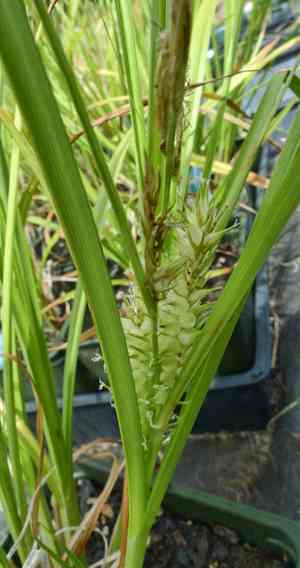
Knotsheath sedge, a perennial grass thriving in wetlands, benefits from judicious trimming to foster robust development and preserve its form. The most opportune period for pruning is in early spring or winter, while the plant is dormant and prior to the emergence of new shoots. Eliminate any deceased or excessively grown foliage at the plant's base, taking care to avoid damaging the crown. This practice enhances air movement and can boost foliage thickness, thereby improving the plant's vibrant, clumped look. Utilizing sharp, sanitized implements is crucial to avert the spread of pathogens during the cutting process.
Advantages of Trimming Knotsheath Sedge
Advantages of Trimming Knotsheath Sedge
Trimming knotsheath sedge promotes robust development and assists in maintaining its desired form, ensuring the plant stays healthy, appealing, and well-structured within the garden.
Optimal Period for Trimming Knotsheath Sedge
Optimal Period for Trimming Knotsheath Sedge
Trimming or cutting knotsheath sedge during early spring is advantageous as it coincides with the plant's emergence from dormancy, allowing for the removal of any winter damage before new growth starts. It also prepares knotsheath sedge for strong growth in the coming season. Winter is also an ideal time since knotsheath sedge is dormant, reducing plant stress. During this period, there's also less chance of disease spread and better visibility of the plant's structure for effective trimming.
Tools Required for Trimming Knotsheath Sedge
Hand Pruners
Perfect for snipping thin stems and removing spent foliage. The blades provide precise cuts without harming adjacent stems, crucial for knotsheath sedge's grass-like structure.
Grass Shears
These are useful for cutting through denser clumps or for shaping knotsheath sedge if desired. Their long blades can uniformly trim the sedge without pulling on the roots.
Gardening Gloves
Not a cutting implement, but vital for safeguarding hands from the sharp edges of the sedge leaves during the trimming process.
Method for Trimming Knotsheath Sedge
Preparation
Gather sterilized pruning shears or scissors to prevent disease transmission. Wearing gloves for protection is also recommended.
Identification
Carefully examine knotsheath sedge for diseased or withered leaves that require trimming. Be sure to distinguish these from healthy parts to avoid unnecessary cutting.
Sanitary trim
For diseased leaves, cut them at the base where they meet the stem of knotsheath sedge. Use a clean cut without tearing to prevent damage to healthy sections.
Trim withered
Trim withered leaves similarly to diseased ones, ensuring each is fully removed to encourage healthy growth and improve air circulation around knotsheath sedge.
Disposal
Properly dispose of diseased and withered foliage to prevent potential disease spread to other plants or areas of knotsheath sedge. Do not compost if the leaves were diseased.
Common Trimming Errors with Knotsheath Sedge
Overpruning
Removing too much foliage at once can stress knotsheath sedge, hindering its ability to flourish. Aim to trim no more than one-third of the plant at a time.
Blunt tools
Using dull or unsharpened trimming tools can result in jagged cuts that may harm knotsheath sedge, making it more vulnerable to disease and pests.
Random cuts
Indiscriminate cutting without understanding the growth pattern of knotsheath sedge can lead to an unattractive form and may damage the plant's health.
Ignoring dead material
Failing to remove dead or dying foliage can impede the growth of knotsheath sedge by wasting resources that could support healthy development.
General Trimming Advice for Knotsheath Sedge
Sharp tools
Utilize sharp, clean pruning shears to make precise cuts that will heal quickly and minimize stress to knotsheath sedge.
Strategic cutting
Focus on removing dead or damaged leaves and any overly dense growth to enhance air circulation and light penetration for knotsheath sedge.
Shape maintenance
Trim knotsheath sedge with the plant's natural form in mind to maintain an appealing appearance and encourage vigorous growth.
Post-pruning care
After trimming, provide knotsheath sedge with sufficient water and consider applying a balanced fertilizer to aid recovery and new growth.



