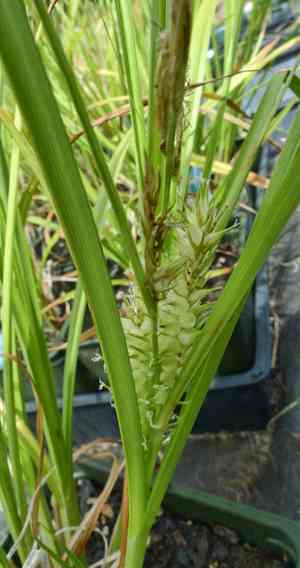
Knotsheath sedge(Carex retrorsa)

Knotsheath sedge (Carex retrorsa)

Also known as: Retrorse Sedge

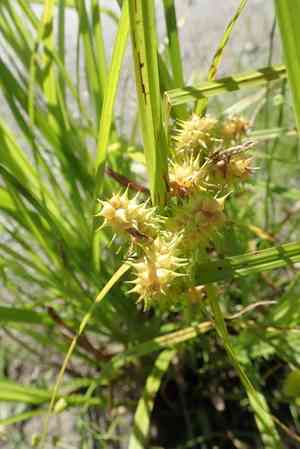
Knotsheath sedge (Carex retrorsa) can be tricky to identify amidst North America's diverse sedge population. However, there are key features that set it apart:

1. **Dense Clumps**: It typically forms dense clumps.
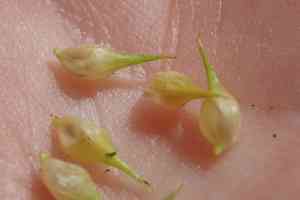
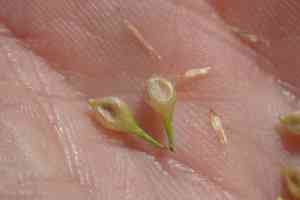
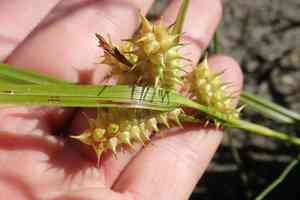
2. **Distinctive Perigynia**: The perigynia are noticeably inflated with a backward-curving beak, and they are smaller compared to those of Carex lupulina.
3. **Retrorse Bracts**: The bracts of the inflorescence are bent backward.
4. **Reddish-Purple Leaf Sheaths**: The base of the leaf sheaths often exhibits a reddish-purple hue.
5. **Natural Habitat**: It thrives in wet environments such as marshes, wet meadows, and stream edges.

Knotsheath sedge is not considered invasive and is generally not used in ornamental gardening.

Attributes of Knotsheath sedge

Lifespan
Perennial
Plant Type
Grass
Plant Height
10 cm to 1.02 m
Spread
N/A
Leaf Color
Dark Green
Flower Size
Small, typically less than 1 cm
Flower Color
Yellow Green Brown

ForwardPlant - Identify plants with a snap

Identify and diagnose plants, get toxicity alerts, and explore safety guides for all types of fungi.

Try for Free

Images of Knotsheath sedge

Knotsheath sedge(Carex retrorsa)

Quickly Identify Knotsheath sedge

1
Carex retrorsa can be identified by its triangular stems and backward-tilted (retrorse) awns. The leaves are narrow and grass-like, usually dark green. It\'s often found in wet areas and can grow up to 100 cm tall.

Scientific Classification of Knotsheath sedge

Phylum
Vascular plants
Class
Monocotyledons
Order
Poales
Family
Sedge
Genus
True sedges
Species
Knotsheath sedge

Planting and Growing of Knotsheath sedge

Care Difficulty
Easy
Watering Schedule
Every 3 days
Sunlight Requirements
Partial sun
Sunshine Duration
4-8 hours
Ideal Temperature
60-75℉
Soil Type
Potting Mix, Peat Mix
Soil pH
6.5-7.5
Fertilizer Type
Balanced
Pruning Season
Spring, Summer
Pruning Area
Branches, Leaves
Pruning Frequency
2 times a year
Repotting Season
Spring
Pot Type
Plastic, Ceramic

water icon How to Water Knotsheath sedge?

For Carex retrorsa, ensure the soil is evenly moist but not waterlogged. Typically, watering with around 200 ml per session provides just enough hydration to reach the roots without causing puddles. Adjust the amount based on soil type and humidity.
What are the symptoms of an underwatered Knotsheath sedge?
What should I do if my Knotsheath sedge is not getting enough water?
What are the symptoms of an overwatered Knotsheath sedge?
How to save an overwatered Knotsheath sedge?

sunlight icon What Are the Sunlight Requirements for Knotsheath sedge?

Sunlight Requirements: Partial sun, Full shade
Duration of light: 3 to 5 hours
Carex retrorsa thrives in partial sun to full shade environments. Ideal lighting promotes strong, healthy growth and resilience to environmental stressors.
What are the best lighting conditions for Carex retrorsa?
How can I achieve the ideal lighting for Carex retrorsa?
What benefits does Carex retrorsa gain from ideal lighting?
More About Sunlight Requirements Techniques

temperature icon What Is the Ideal Temperature Range for Knotsheath sedge?

Ideal Temperature: 60 ~ 75℉
Carex retrorsa thrives in a temperature range that is neither too hot nor too cold. Ideally, maintaining temperatures between 60°F to 75°F ensures optimal growth and health. This range supports active metabolic processes and photosynthesis, necessary for lush and healthy growth.

soil icon What Soil is Best for Knotsheath sedge?

Soil type: Loam, Sandy loam, Clay soil
Soil PH: 6.5 ~ 7.5
Carex retrorsa thrives in soils that retain moisture well, ensuring the plant receives consistent hydration. This aids in preventing stress from drought conditions, promoting robust growth and vitality. Rich, nutrient-dense soils support the lush growth of Carex retrorsa by providing essential minerals. Nutrient-rich soil fosters healthy root development and vibrant foliage, crucial for the overall health of the plant. Well-draining soil prevents water from stagnating, which can lead to root rot in Carex retrorsa. Good drainage ensures air circulation around roots, thereby promoting healthier growth conditions.

fertilize icon How to Fertilize Knotsheath sedge?

Fertilizer type: Balanced
For Carex retrorsa, you should use a balanced fertilizer diluted to half the recommended strength. This plant does not require excessive nutrients, so a modest application will suffice. Over-fertilizing can harm its natural growth pattern, so err on the side of caution.

prune icon How to Prune Knotsheath sedge?

Pruning Time: Spring, Autumn
Carex retrorsa is best pruned in early spring or autumn. Pruning during these seasons helps stimulate fresh growth and maintains the plant's natural shape. Avoid pruning during the height of summer or the depths of winter, as extreme temperatures can stress the plant. Use sharp, clean gardening shears to cut back old and dead foliage. Trim back to the base, making sure not to damage the emerging shoots. This not only improves the plant's aesthetic appeal but also encourages healthier growth patterns. If Carex retrorsa has become too dense or unruly, thinning is necessary. Remove the oldest stems at ground level to allow light and air to reach the center, promoting better overall health and reducing the risk of disease. More About Pruning Techniques

propagate icon How to Propagate Knotsheath sedge plant?

Propagate Time: Spring, Early spring
1
Sow Carex retrorsa seeds in a well-prepared seedbed or containers filled with a mix of sand and peat. Ensure seeds are lightly covered and maintain consistent moisture for optimal germination.
2
Carefully dig up the plant in early spring, ensuring minimal root disturbance. Divide the clump into smaller sections, each with roots attached, and immediately transplant to prepared sites.
3
After planting, water thoroughly and maintain soil moisture. Regularly check and manage for weeds or pests that may affect young divisions or seedlings, promoting healthy establishment.

repot icon How to Repot Knotsheath sedge plant?

Repotting frequency: Every two years
1
Look for signs like roots growing out of the drainage holes or if the soil dries out too quickly. These suggest it's time for Carex retrorsa to be repotted, ideally in spring or autumn. Seasonal cues are essential; spring's growth push and autumn's slowing pace are optimal for such transitions.
2
Choose a pot that's 1-2 inches larger in diameter than the current one, ensuring it has good drainage holes. This prevents waterlogging, offering a breathable environment for the roots, crucial for healthy growth and avoiding root rot.
3
Opt for a mix that's moisture-retentive yet drains well, such as a blend of peat, compost, and perlite. This combination provides the needed nutrients while ensuring excess water doesn't stagnate, crucial for maintaining the plant's health.

ForwardPlant - Identify plants with a snap

Find the best spots for them to optimize their health, simply using your phone.

Try for Free