How to Transplant False fox-sedge?
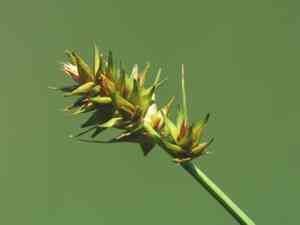
To ensure the best establishment, relocate false fox-sedge during the vigorous period of spring, as elevated temperatures and precipitation facilitate root development. Select a damp, rich soil location, and carefully arrange them with adequate distance to avoid congestion. A favorable setting guarantees the elegant expansion of false fox-sedge.
What Preparations are Needed Before Transplanting False Fox-sedge?
What is the Ideal Time for Transplanting False Fox-sedge?
The optimal period to relocate false fox-sedge spans from early spring's awakening until the onset of summer. This timing aids false fox-sedge in developing its root system prior to intense heat. Transplanting false fox-sedge then promotes better moisture retention and successful establishment, leading to a robust growing season.
How Much Space Should You Leave Between False Fox-sedge Plants?
Greetings, gardener! When rehousing false fox-sedge, aim for a spacing of approximately 6-12 inches (15-30 cm) between them. This distance allows each plant to thrive without competing for essential nutrients or sunlight.
What is the Best Soil Mix for False Fox-sedge Transplanting?
For false fox-sedge, you'll want to prepare a site with soil that drains effectively. Incorporating organic compost as a foundational fertilizer will give your false fox-sedge an excellent start. Rich, fertile loamy soil will make false fox-sedge a very content plant!
Where Should You Relocate Your False Fox-sedge?
Select a location for your false fox-sedge that receives full sun to partial shade. These hardy perennials flourish with some gentle morning sun but also appreciate a bit of afternoon protection. Therefore, a spot with dappled light would be perfect!
What Equipments Should You Prepare Before Transplantation False Fox-sedge?
Gardening Gloves
To safeguard your hands while handling soil and the plant.
Hand Trowel
For excavating small holes and assisting in the relocation of young plants.
Shovel or Spade
Essential for digging out the root ball of false fox-sedge from its current location.
Watering Can or Hose
To hydrate false fox-sedge both before and after its relocation.
Pruners
To trim any dead or superfluous parts of false fox-sedge prior to transplanting.
Wheelbarrow
To effortlessly move false fox-sedge and soil, especially when dealing with larger specimens.
Garden Fork
To loosen the soil around false fox-sedge without harming its roots before transplanting.
How Do You Remove False Fox-sedge from the Soil?
How Do You Remove False Fox-sedge from the Soil?
From Ground: Hydrate false fox-sedge to moisten the soil. Excavate a wide trench around the plant using a shovel or spade, preserving the root ball. Work the spade beneath the root ball to lift false fox-sedge from the ground.From Pot: Thoroughly water false fox-sedge, allowing the soil to become damp. Turn the container sideways, and gently tap to loosen the soil. Extract false fox-sedge by its base, supporting the root ball with your hand.From Seedling Tray: Water false fox-sedge to soften the soil. Use a hand trowel or your fingers to carefully lift the seedling while supporting the soil and roots. Be cautious not to harm the delicate roots.
Step-by-Step Guide for Transplanting False Fox-sedge
Digging the Hole
Excavate a hole in the ground that is twice the width of the false fox-sedge root ball and of equal depth.
Test Fit
Position false fox-sedge in the hole, verifying that the top of the root ball aligns with the surrounding soil. Adjust the depth as needed.
Root Placement
Remove false fox-sedge from the hole and gently spread its roots if they are matted or pot-bound. Return false fox-sedge to the hole, maintaining its correct orientation.
Fill the Hole
Carefully backfill the hole with the excavated soil, lightly tamping it down to eliminate air pockets. Ensure false fox-sedge is stable and upright.
Watering
Immediately after planting, thoroughly water false fox-sedge to settle the soil around its roots and aid in recovery from shock.
Laying Mulch
Apply a layer of mulch around false fox-sedge to help maintain soil moisture and temperature, avoiding direct contact with the plant's stems.
How Do You Care For False Fox-sedge After Transplanting?
Initial Watering
Keep the soil around false fox-sedge consistently moist, but not waterlogged, during the initial weeks to promote root establishment.
Monitoring
Observe false fox-sedge closely for indications of stress, such as wilting or discolored foliage, and respond promptly to such signs, ensuring adequate hydration.
Weed Control
Promptly remove weeds from the vicinity of false fox-sedge as they compete for resources and can impede growth.
Mulching
Inspect and maintain the mulch layer to continue providing benefits to false fox-sedge without smothering the plant.
Supports
If false fox-sedge exhibits signs of leaning or instability, provide staking or other forms of support to ensure upright growth.
Troubleshooting Common Issues with False Fox-sedge Transplantation.
What's the optimal time of year to transplant false fox-sedge?
The best period to relocate false fox-sedge is from early to late spring, as the weather begins to warm.
How much space should I leave between false fox-sedge plants?
Aim for a spacing of 6-12 inches (15-30 cm) to provide each plant ample room to thrive.
Why are my transplanted false fox-sedge plants wilting?
Wilting may indicate transplant shock. Ensure proper watering and shield from direct sun for a few days.
How deep should I plant false fox-sedge roots during transplantation?
The roots of false fox-sedge should be planted so the crown is at soil level, ensuring proper root-to-soil contact.
How do I prepare the soil for transplanting false fox-sedge?
Incorporate organic matter to enrich the soil and ensure it drains well to welcome false fox-sedge plants.
How often should I water false fox-sedge after transplanting?
Initially, water false fox-sedge generously to establish roots, then maintain consistent moisture without overwatering.
What should I do if my false fox-sedge shows signs of transplant shock?
Keep the soil moist and provide shade for a few days. Avoid fertilizers until false fox-sedge exhibits new growth.
How do I know if false fox-sedge has been planted at the correct depth?
After planting, the top surface of the root ball should be level with or slightly above the surrounding soil.
Can I transplant false fox-sedge on a hot, sunny day?
It's preferable to transplant false fox-sedge on an overcast day or in the late afternoon to minimize stress on the plant.
Is it necessary to fertilize false fox-sedge right after transplanting?
Refrain from applying fertilizer immediately. Allow false fox-sedge to recover from the transplant and establish itself for several weeks.



