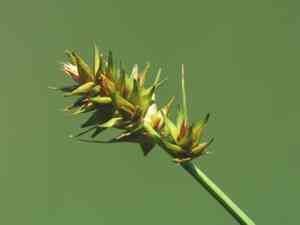
False fox-sedge (Carex otrubae)
Also known as: False Fox-sedge
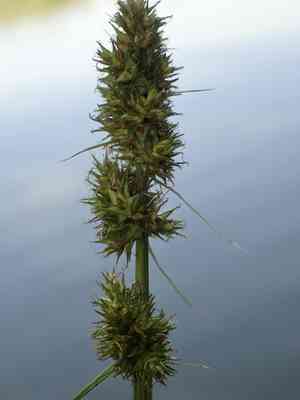
The plant generally reaches a height of 10 to 40 centimeters. Its leaves are linear and range from 1 to 3 millimeters in width. The utricles, which can be pale green or orange-brown, are about 2.5 to 3.5 millimeters long. The glumes, found at the base of each spikelet, are ovate and measure approximately 2.5 to 3 millimeters in length, often exhibiting a pale orange-brown color in female specimens.
In This Article
Attributes of False fox-sedge
Lifespan
Perennial
Plant Type
Grass
Plant Height
70 cm
Spread
50 cm
Leaf Color
Dark green
Flower Size
0.5-1 cm
Flower Color
Greenish-brown
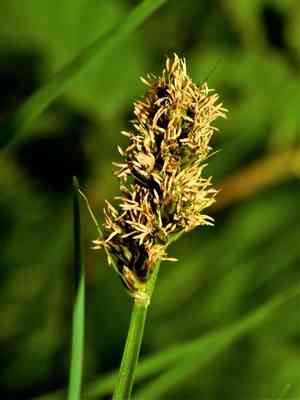
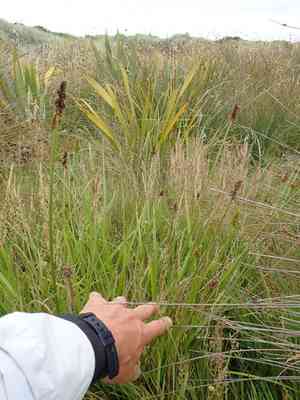
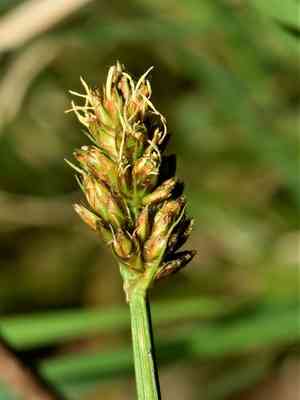
Images of False fox-sedge
Quickly Identify False fox-sedge
1
Carex otrubae can be identified by its clump-forming habit, glossy dark green leaves, and stout, triangular stems. The flowering spikes are dense and cylindrical, featuring both male and female flowers.
Scientific Classification of False fox-sedge
Phylum
Vascular plants
Class
Monocotyledons
Order
Poales
Family
Sedge
Genus
True sedges
Species
False fox-sedge
Planting and Growing of False fox-sedge
Care Difficulty
Easy
Watering Schedule
Every 3 days
Sunlight Requirements
Partial sun
Sunshine Duration
4-8 hours
Ideal Temperature
60-75℉
Soil Type
Potting Mix, Peat Mix
Soil pH
6.5-7.5
Fertilizer Type
Balanced
Pruning Season
Spring, Summer
Pruning Area
Branches, Leaves
Pruning Frequency
2 times a year
Repotting Season
Spring
Pot Type
Plastic, Ceramic
 How to Water False fox-sedge?
When watering Carex otrubae, ensure that the soil is thoroughly moistened but not waterlogged. This plant prefers consistently moist conditions. An ideal practice is to water until the top 5 cm of soil feels adequately saturated. This ensures that the roots receive sufficient moisture levels for optimal growth and health, contributing to its lush green appearance.
What are the symptoms of an underwatered False fox-sedge?
›
What should I do if my False fox-sedge is not getting enough water?
›
What are the symptoms of an overwatered False fox-sedge?
›
How to save an overwatered False fox-sedge?
›
 What Are the Sunlight Requirements for False fox-sedge?
Carex otrubae benefits from partial sun, where it can receive around 4 to 6 hours of light daily. This exposure ensures effective photosynthesis and healthy growth, maintaining its lush appearance.
What is the best light condition for Carex otrubae?
›
How to achieve ideal lighting for Carex otrubae?
›
Benefits of ideal lighting conditions for Carex otrubae?
›
 What Is the Ideal Temperature Range for False fox-sedge?
For optimal growth, Carex otrubae thrives in temperatures ranging from 60°F to 75°F. This range provides the necessary warmth for physiological processes like photosynthesis and nutrient absorption, ensuring the plant maintains healthy growth and vitality. Exposure to temperatures within this range also supports the development of robust foliage and root systems essential for the plant's structural and functional resilience.
 What Soil is Best for False fox-sedge?
Carex otrubae thrives in nutrient-rich soils, as they provide essential elements for healthy growth and robust foliage. The presence of organic matter enhances the soil's fertility, promoting strong root development and lush, vibrant leaves. This plant prefers well-draining soil to prevent waterlogging, which can lead to root rot. Adequate drainage ensures that the roots have access to air, promoting a healthy root system and preventing the plant from becoming water-stressed. Soil should retain moisture while still being permeable to air. This balance helps maintain consistent hydration without suffocating the roots, ensuring steady growth and minimizing stress during dry spells.
 How to Fertilize False fox-sedge?
For Carex otrubae, apply a balanced liquid fertilizer diluted to half-strength. Use approximately 10-15 milliliters of liquid fertilizer per liter of water for potted plants, ensuring thorough soil penetration without waterlogging.
 How to Prune False fox-sedge?
Start by inspecting the plant for any dead or discolored foliage, focusing on removing these to promote healthy growth. Use sharp, clean pruning shears to cut back any unwanted or overly long stems, ensuring cuts are made neatly above the base. Carefully style the plant to shape it as desired, maintaining its natural tussock form. Regularly step back to view the plant's overall shape and ensure even trimming for a tidy appearance.
More About Pruning Techniques→
 How to Propagate False fox-sedge plant?
1
Collect seeds from a mature Carex otrubae plant. Clean and dry the seeds properly to ensure they are free from any pathogens before sowing.
2
Fill the seed tray with a well-draining potting mix. Sow the seeds evenly and cover them lightly with soil. Water gently and place the tray in a sunny location.
3
Dig up an established Carex otrubae clump. Use a sharp knife or spade to divide it into smaller sections, each with roots and shoots, and replant them promptly.
 How to Repot False fox-sedge plant?
1
Carex otrubae indicates it's time for repotting when you observe roots emerging from the pot's drainage holes, or when growth appears stunted despite adequate care. Early spring or autumn is ideal, as the plant is not in its peak growth phase, allowing it to recover more swiftly from any stress caused by the process.
2
Select a pot that is one size larger than the current one, ensuring that it has ample drainage holes. A pot size that allows for gradual growth without overwhelming the plant is optimal as it prevents root-bound conditions while maintaining adequate moisture levels, fostering healthier growth.
3
Opt for a well-draining loamy soil mix rich in organic material. This soil ensures proper aeration for the roots, preventing waterlogging and promoting healthier root development. The organic content will provide a steady nutrient supply, boosting the plant's overall health and vigor.
Learn More About False fox-sedge Diseases
Anthracnose
Bacterial Leaf Spot
Bacterial Soft Rot
Bacterial Wilt
Cyst Nematode
Damping-off
Downy Mildew
Drought Stress
Fusarium Wilt
Gray Mold
Leaf Spot
Mosaic
Nutrient Deficiency
Nutrient Toxicity
Powdery Mildew
Root Rot
Root-knot Nematode
Rusts
Sooty Mold
Spider Mites
Temperature Stress
Thrips Damage
White Mold



