How to Prune False fox-sedge?
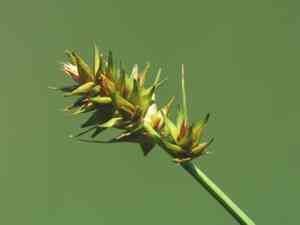
A sedge featuring grass-like leaves, false fox-sedge thrives with trimming to sustain its well-being and manage its expansion. Cut back any deceased or excessively long foliage in early spring or during winter, right before its period of vigorous growth. After flowering, snip off faded flower stalks to stimulate fresh development. Consistent trimming deters self-propagation and fosters a neat look. Utilizing sharp, sanitized implements is crucial to avert the spread of pathogens. Furthermore, pruning enhances air movement, diminishing the likelihood of fungal ailments.
Advantages of Trimming False Fox-sedge
Advantages of Trimming False Fox-sedge
Trimming false fox-sedge promotes robust development and helps preserve its intended form. By selectively reducing overgrown areas, light and air can better reach the leaves, fostering strong health and preventing excessive density.
Optimal Time for Trimming False Fox-sedge
Optimal Time for Trimming False Fox-sedge
Trimming false fox-sedge in early spring is perfect, as it occurs just before new growth starts, thereby avoiding unnecessary stress on the plant. This allows gardeners to remove any damaged or dead leaves from the previous season, encouraging healthier development. During winter, the plant is dormant, and pruning at this time can help maintain its shape and vitality without disrupting active growth or blooming. Both periods ensure that trimming does not interfere with the natural cycle of false fox-sedge, promoting better plant health and appearance.
Necessary Tools for Trimming False Fox-sedge
Hand Pruners
False fox-sedge possesses grass-like leaves that can be neatly cut with sharp hand pruners. These are suitable for removing old foliage and tidying up the plant.
Grass Shears
For reshaping the plant or cutting larger sections of foliage, grass shears offer precision while allowing for a natural-looking cut, which is ideal for the growth habit of false fox-sedge.
Gardening Gloves
To safeguard your hands from the rough edges of false fox-sedgeâs leaves, it is advisable to wear durable gardening gloves. This also ensures a more secure grip on the pruning tools.
Garden Waste Bag
After trimming false fox-sedge, a garden waste bag will be essential for collecting and removing clippings, keeping the area tidy and preventing potential garden pests.
How to Trim False Fox-sedge
Clean tools
Disinfect pruning tools using a mixture of one part bleach to nine parts water to prevent the spread of disease to false fox-sedge.
Identify parts
Carefully examine false fox-sedge to locate and isolate the diseased and withered leaves that need trimming.
Trim diseased leaves
Using sharp, clean shears, cut off diseased leaves at their base where they emerge from the rhizome, being careful not to disturb healthy tissue.
Remove withered leaves
Cut back withered leaves similarly, making clean cuts at their base without harming new growth or crowns.
Dispose
Immediately discard the removed material far from healthy false fox-sedge plants to prevent the potential spread of pathogens.
Common Trimming Errors with False Fox-sedge
Over-pruning
Cutting back false fox-sedge too severely can cause stress and reduce its vitality. This plant typically requires only light trimming to shape and maintain its dense, grassy appearance.
Improper cutting technique
Using dull or unsuitable tools can result in jagged cuts that may invite disease. Clean, sharp shears or scissors should be used to make precise cuts without damaging other parts of false fox-sedge.
Trimming too low
Cutting false fox-sedge too close to the ground can harm the plantâs crowns, likely hindering its natural growth pattern. It is important to leave enough foliage to ensure the plant remains healthy.
Ignoring dead material
Neglecting to remove dead or damaged foliage can impede new growth and may also encourage the development of pests or diseases within false fox-sedge.
Trimming healthy tissue
Indiscriminately cutting away healthy foliage along with dead or damaged material is a mistake. This can negatively impact false fox-sedge's appearance and growth.
General Trimming Advice for False Fox-sedge
Use sharp tools
Ensure that all trimming tools are sharp and clean to provide a clean cut and prevent disease transmission to false fox-sedge.
Trim to shape
To maintain the desired shape and appearance of false fox-sedge, lightly trim back the tips of the plant's foliage instead of making deep cuts into the plant base.
Identify dead material
Before trimming false fox-sedge, examine the foliage to differentiate between healthy, living tissue and dead or damaged material that needs to be removed.
Gradual trimming
If false fox-sedge has become overgrown, gradually trim it back over several seasons rather than all at once to avoid plant shock.
Protect the crowns
When trimming false fox-sedge, take care not to damage the crownsâwhere the plantâs growth originates. Leaving several inches of growth above the crown will ensure the plant's health and longevity.



