How to Transplant Large-head sedge?
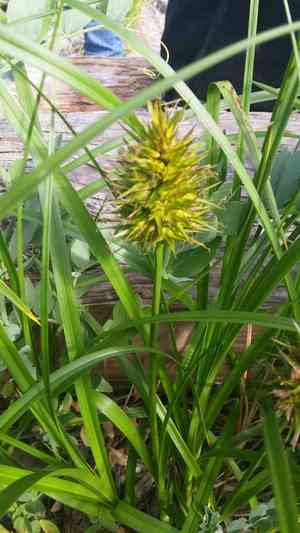
The optimal window for relocating large-head sedge spans from the conclusion of its dormant phase to the commencement of its active growth, generally from mid-spring through late spring, or alternatively, during the crisp air of late autumn. Select a location that provides abundant sunlight and features soil with good drainage. Should it be required, enrich the soil with organic material to encourage robust root establishment.
What Preparations are Needed Before Transplanting Large-head Sedge?
What is the Ideal Time for Transplanting Large-head Sedge?
The best time to move large-head sedge is during the revitalizing period of early to mid-spring or the peaceful start of late autumn. This timing allows large-head sedge to set roots in mild temperatures, utilizing spring's growth surge or autumn's moist soil, both promoting strong health. Moving large-head sedge at these times ensures it gets the gentle warmth and sufficient hydration needed for successful adaptation and thriving growth, making it a good choice for a flourishing garden.
How Much Space Should You Leave Between Large-head Sedge Plants?
Hello green thumb! When you're ready to give your large-head sedge a new home, place each one about 6-12 inches (15-30 cm) apart. This will give them the perfect amount of room to flourish!
What is the Best Soil Mix for Large-head Sedge Transplanting?
For your large-head sedge, aim for well-drained soil; loamy is perfect. Before transplanting, mix in a balanced, slow-release fertilizer to give them a strong start. Imagine you're giving them a nutrient-rich meal for their big move!
Where Should You Relocate Your Large-head Sedge?
Find a sunny to partly shaded spot for your large-head sedge. They enjoy some sunshine but don't mind a bit of shade. Think of it as picking a cozy spot with just enough light for a gentle wakeup each day!
What Equipments Should You Prepare Before Transplantation Large-head Sedge?
Gardening Gloves
To shield your hands while working with the soil and plant material.
Shovel or Spade
For excavating the plant and creating a new planting site.
Wheelbarrow or Garden Cart
To move the plant and soil efficiently.
Pruning Shears
For trimming any damaged roots or foliage.
Watering Can or Garden Hose
To hydrate the plant before and after relocation.
Measuring Tape
To ensure correct spacing between transplanted specimens.
How Do You Remove Large-head Sedge from the Soil?
How Do You Remove Large-head Sedge from the Soil?
From Ground: Hydrate the large-head sedge plant to moisten the surrounding soil. Then, use a shovel or spade to dig a wide circle around the plant, making sure to keep as much of the root ball intact as possible. Carefully work the tool under the root ball, gently prying it out of the ground.From Pot: Tilt the pot sideways and gently tap the bottom to loosen the large-head sedge plant. Support the plant by its base and carefully guide it out of the pot, avoiding any harsh pulling that could harm the plant's roots.From Seedling Tray: Use a small tool or your finger to carefully lift the seedling from the tray, taking care not to disturb the delicate root system. Hold the large-head sedge plant by its leaves rather than the stem, which can easily be damaged.
Step-by-Step Guide for Transplanting Large-head Sedge
Prepare New Site
Choose an appropriate location for your large-head sedge, considering its distance from other plants. Dig a hole that is twice the width of the root ball and the same depth to ensure the plant is transplanted at its original growing level.
Remove Plant
Following the removal instructions for large-head sedge, carefully extract the plant from its current spot, focusing on minimizing root disturbance.
Transport
Move the large-head sedge to the new planting site quickly to reduce root exposure. Use a wheelbarrow or garden cart for convenience if available.
Position in New Location
Place the large-head sedge in the center of the prepared hole. Gently spread out the roots and fill the hole with the excavated soil, pressing down lightly to stabilize the plant.
Water Thoroughly
Water the large-head sedge immediately after planting to settle the soil around the roots and eliminate air pockets. Ensure the water penetrates deeply to encourage the roots to grow downwards.
How Do You Care For Large-head Sedge After Transplanting?
Regular Watering
Water the large-head sedge consistently, aiming for balanced moisture without over-saturating the soil, to help the roots establish in the new location.
Monitor Plant Health
Keep an eye on the large-head sedge for any signs of stress, such as wilting or discolored leaves, and address issues promptly to ensure a successful transplant.
Mulching
Apply a layer of mulch around the base of the large-head sedge to help maintain soil moisture levels and regulate temperature, without piling it up against the stem or leaves.
Pruning
Trim any damaged or dead foliage with pruning shears to encourage new growth and help the large-head sedge to concentrate its energy on establishing robust new roots.
Troubleshooting Common Issues with Large-head Sedge Transplantation.
What's the best time to transplant large-head sedge for successful growth?
Optimal transplanting time is from mid to late spring or during late fall for large-head sedge's root establishment.
How far apart should I space large-head sedge when transplanting?
Space large-head sedge about 6-12 inches (15-30 cm) apart to give them room to flourish.
Why is my large-head sedge wilting after transplant?
Wilting can be due to transplant shock. Ensure proper watering and avoid direct sun for a few days.
How deep should I plant large-head sedge's roots when transplanting?
Plant large-head sedge's roots at the same depth they were previously, to nurture proper growth.
What kind of soil is best for transplanting large-head sedge?
Use well-draining, fertile soil rich in organic matter for large-head sedge's transplanting success.
Should I fertilize large-head sedge when transplanting?
Avoid immediate fertilization. Wait until large-head sedge shows signs of new growth before fertilizing gently.
How do I water large-head sedge after transplanting?
Water thoroughly after transplanting, then keep the soil consistently moist but not soggy.
What if leaves of large-head sedge are turning yellow post-transplant?
Yellowing may indicate over-watering or poor drainage. Adjust watering and check soil conditions.
Can large-head sedge be transplanted on a hot sunny day?
Transplant large-head sedge on an overcast day or in the evening to minimize transplant stress.
How soon can I expect large-head sedge to recover from transplanting?
With proper care, large-head sedge should begin to establish within a few weeks after transplanting.



