How to Prune Large-head sedge?
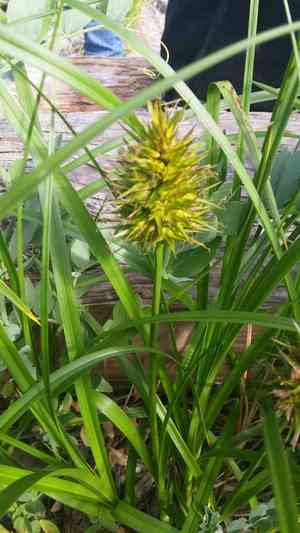
Carex macrocephala, recognized for its sturdy clumps and pointed blossoms, thrives with trimming to preserve its vitality and structure. Remove withered or compromised leaves in early spring prior to new development or during its dormant winter phase. Severing the faded flower stalks can stimulate more abundant foliage. Refrain from severe cutting to avert harm to the plant's base. Trimming improves air movement and lowers the likelihood of illness, guaranteeing a dense and appealing appearance.
What Are the Benefits of Pruning Large-head Sedge?
What Are the Benefits of Pruning Large-head Sedge?
Trimming large-head sedge promotes vitality by eliminating old leaves that might impede development; it also helps maintain a compact shape, ensuring the plant's visual appeal and ease of management in the garden.
What Is the Best Time for Pruning Large-head Sedge?
What Is the Best Time for Pruning Large-head Sedge?
Trimming large-head sedge in early spring is beneficial as it precedes the start of the active growth period. This timing allows gardeners to remove any dead or damaged foliage from the previous year without affecting new growth, ensuring the plant can direct its energy towards developing healthy shoots. Winter is also an appropriate time for pruning large-head sedge. During winter, large-head sedge is dormant, which lowers the risk of stress or disease transmission. Winter pruning also prepares the plant for vigorous growth in the upcoming spring by removing old growth that could potentially hinder new shoots.
What Tools Do I Need to Prune Large-head Sedge?
Hand pruners
Large-head sedge is typically maintained by removing old foliage to stimulate new growth. Hand pruners are suitable for selective cutting of the leaves and stems of large-head sedge. They offer precision and are ideal for making clean cuts without damaging the plant's healthy growth.
Garden scissors
These are perfect for trimming and shaping large-head sedge with minimal harm to the plant. Garden scissors allow for the meticulous care required for large-head sedge's dense clump-forming habit.
Shears
For a more extensive trimming session, especially when large-head sedge forms large clumps, shears can be used to cut back the foliage uniformly. This tool enables quick work of larger areas and is best suited for the plant's annual trimming needs.
How to Prune Large-head Sedge
Clean tools
Before pruning large-head sedge, sterilize your pruning tools using a solution of one part bleach to nine parts water to prevent the spread of diseases.
Inspect plant
Examine large-head sedge carefully to locate diseased and withered leaves. This will focus your pruning efforts on removing unhealthy tissue.
Remove diseased leaves
Use your sterilized pruning shears to carefully cut away any diseased leaves. Make the cuts at the base of the leaf to remove the entire leaf blade and its stem.
Remove withered leaves
After diseased leaves, cut back withered leaves in the same mannerâsnipping them off at the base to promote healthier growth and maintain the plant's appearance.
Cleanup
Once pruning is complete, gather and dispose of all removed leaves in the trash or a designated compost area to minimize the risk of disease spread.
Common Pruning Mistakes with Large-head Sedge
Over-pruning
Trimming too much of large-head sedge at once can stress the plant and hinder its natural growth patterns. It's important to be conservative, removing only what's necessary for shaping and health.
Improper cut location
Making cuts too far from the base or the crown of large-head sedge can leave unsightly stubs that do not heal well and may invite disease. Cuts should be clean and close to the base.
Using dull tools
Dull pruning tools can damage large-head sedge by crushing rather than slicing cleanly through the sedge's foliage, making it more susceptible to disease.
Ignoring dead material
Neglecting to remove dead or diseased foliage from large-head sedge can lead to pest infestations and fungal diseases, as these materials can harbor unwelcome garden guests.
Incorrect cleanliness
Failing to clean pruning tools before and after tackling large-head sedge can spread disease between plants. It's essential to sanitize tools to maintain plant health.
Common Pruning Tips for Large-head Sedge
Selective cutting
Carefully select and remove only the older, discolored, or damaged foliage of large-head sedge to maintain the plant's aesthetic and health, without compromising the structure.
Sharp tools
Utilize sharp, clean shears or scissors to make precise cuts on large-head sedge, to promote quick healing and reduce the chance of disease.
Post-pruning care
After pruning large-head sedge, ensure the plant has adequate water and possibly a light application of suitable fertilizer to support recovery and new growth.
Gentle reshaping
Shape large-head sedge gently, cutting the clumps back evenly to promote a dense, tidy growth habit without radically altering the plant's natural form.
Health inspection
Regularly inspect large-head sedge for signs of pests or disease before and after pruning and respond promptly to any issues to keep the plant robust.



