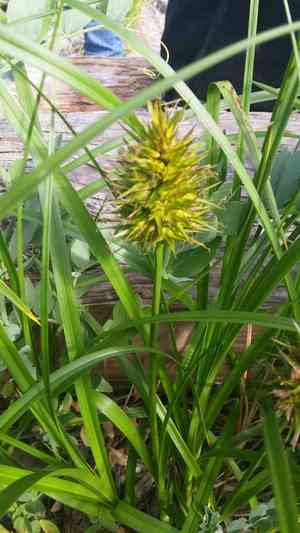
Large-head sedge (Carex macrocephala)
Also known as: Large-headed sedge
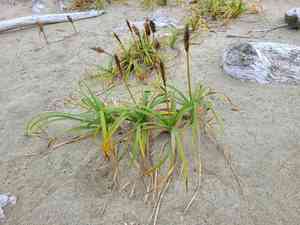
The "Large-head Sedge" is a perennial plant notable for its prominent, heavy spikes and its unique coastal presence. It thrives in moist or wet soils found in sand dunes along the shoreline.
In This Article
Attributes of Large-head sedge
Lifespan
Perennial
Plant Type
Grass
Plant Height
20 cm
Spread
Clump-forming, no distinct diameter
Leaf Color
Green
Flower Size
1 cm to 1.5 cm
Flower Color
N/A (not typically noted for its flowers)
Images of Large-head sedge
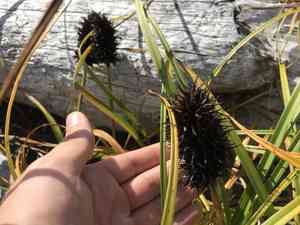
Quickly Identify Large-head sedge
1
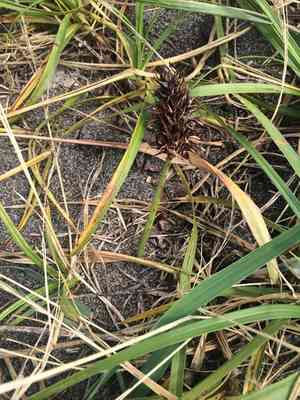
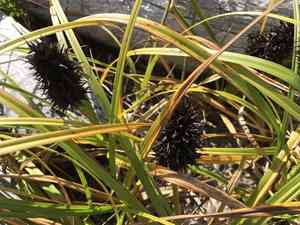
Carex macrocephala can be identified by its broad, grass-like leaves and distinctive large, egg-shaped seed heads. The plant forms dense clumps and often grows in coastal dunes or sandy areas.
Scientific Classification of Large-head sedge
Phylum
Vascular plants
Class
Monocotyledons
Order
Poales
Family
Sedge
Genus
True sedges
Species
Large-head sedge
Planting and Growing of Large-head sedge
Care Difficulty
Easy
Watering Schedule
Every 2 days
Sunlight Requirements
Partial sun
Sunshine Duration
6-12 hours
Ideal Temperature
50-68℉
Soil Type
Potting Mix, Peat Mix
Soil pH
6.5-7.5
Fertilizer Type
Balanced
Pruning Season
Spring, Summer
Pruning Area
Branches, Leaves
Pruning Frequency
2 times a year
Repotting Season
Spring
Pot Type
Plastic, Ceramic
 How to Water Large-head sedge?
For the Carex macrocephala, the watering amount should aim for a deep soak without creating water logging. Generally, watering with about 250 ml each session can keep the roots adequately hydrated without causing harm.
What are the symptoms of an underwatered Large-head sedge?
›
What should I do if my Large-head sedge is not getting enough water?
›
What are the symptoms of an overwatered Large-head sedge?
›
How to save an overwatered Large-head sedge?
›
 What Are the Sunlight Requirements for Large-head sedge?
Carex macrocephala ideally requires partial to full sunlight, thriving with 4 to 8 hours of daylight exposure. When provided this range, the plant exhibits strong, vigorous growth, enhancing its ornamental value and resilience to environmental stresses.
What is the optimal lighting condition?
›
How can I provide optimal lighting?
›
What are the benefits of optimal lighting?
›
 What Is the Ideal Temperature Range for Large-head sedge?
The ideal temperature range for Carex macrocephala is between 50°F and 68°F. This range ensures optimal metabolic activities, promoting healthy growth and development. Maintaining this temperature helps the plant manage photosynthesis efficiently, leading to robust and vigorous growth. During this range, the plant can absorb nutrients effectively, reducing the risk of growth problems.
 What Soil is Best for Large-head sedge?
Carex macrocephala thrives in well-drained soil to prevent root rot and ensure proper aeration. This quality helps the plant absorb nutrients effectively and sustain its growth without waterlogging issues. While the soil should drain well, it must also retain enough moisture to keep the plant hydrated. Sandy loam fits this requirement as it balances drainage and moisture retention perfectly. A nutrient-rich substrate provides essential minerals and nutrients that promote vigorous growth and vibrant foliage in Carex macrocephala, ensuring the plant maintains its aesthetic appeal in any landscape.
 How to Fertilize Large-head sedge?
For Carex macrocephala, it is important to apply fertilizer judiciously to prevent nutrient burn. A quarter to half strength of an all-purpose liquid fertilizer is ideal when applying monthly. For slow-release granules, sprinkle a handful evenly around the base, ensuring it is at least 10 cm away from the stem.
 How to Prune Large-head sedge?
Ensure your pruning shears are sharp and clean to make precise cuts. Dull tools can tear the leaves or stems, potentially leading to plant damage or disease entry points. Begin by carefully inspecting the plant for any dead or yellowing leaves. Gently cut them away at the base to encourage healthy new growth. Avoid cutting healthy green leaves unless they are overcrowding the plant. To maintain an attractive shape, trim back overgrown foliage by cutting back to the natural contour of the plant. This helps the plant maintain its natural aesthetic while preventing it from becoming too dense, which can inhibit growth.
More About Pruning Techniques→
 How to Propagate Large-head sedge plant?
1
Begin with high-quality seeds and sow them in a tray filled with a well-draining seed starting mix. Sow the seeds on the surface and gently press them down without burying them too deeply to ensure contact with the soil.
2
After sowing, mist the seeds lightly with water. Cover the tray with a humidity dome and place it in a location where it receives indirect sunlight. Monitor the moisture level, ensuring the soil remains consistently damp but not waterlogged.
3
For division, start by gently digging around a mature clump of Carex macrocephala. Use a spade to divide the clump into sections that each have a healthy root system. Replant immediately in well-prepared soil.
 How to Repot Large-head sedge plant?
1
Repotting Carex macrocephala should be done when its roots start crowding out the pot, or if growth visibly slows despite optimal care. Another signal is water draining too quickly, indicating the soil mix has degraded or compacted. Spring or autumn are excellent times for this, as the plant is either waking up from dormancy or preparing to rest, reducing stress.
2
Select a pot that's one size larger than the current one to allow root expansion but avoid too much space that can retain excess moisture. Ensure the pot has adequate drainage holes, as Carex macrocephala thrives best when soil drainage is optimal, reducing the risk of root rot. A ceramic or plastic pot with a matte finish is ideal to regulate moisture.
3
Opt for a well-draining sandy mix that mimics its natural coastal habitat. The substrate should be enabled to retain just enough moisture without becoming waterlogged. This mix ensures nutrient delivery while preventing root suffocation, vital for the plant's characteristic explosive growth spurts during its active phase.



