How to Transplant Bristlystalked sedge?
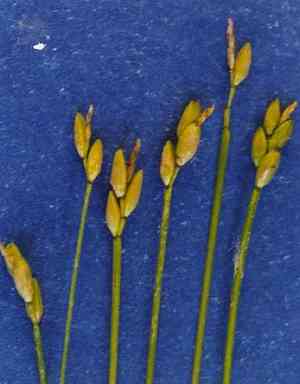
Relocate bristlystalked sedge during the favorable period spanning early to late spring, a phase of robust development. Select a damp, shaded location that mimics its native environment, and carefully position the root system. This schedule guarantees the best possible integration into your green sanctuary.
What Preparations are Needed Before Transplanting Bristlystalked Sedge?
What is the Ideal Time for Transplanting Bristlystalked Sedge?
The period spanning from early spring's onset to the brink of summer's warmth is optimal for relocating bristlystalked sedge. This timeframe allows bristlystalked sedge to settle into cooler, damp soil, promoting robust root development before intense summer heat. Moving bristlystalked sedge during this phase capitalizes on perennials' natural growth cycle, ensuring they establish with minimal stress and increased vitality, promising a lush, healthy display.
How Much Space Should You Leave Between Bristlystalked Sedge Plants?
When rehousing bristlystalked sedge, remember to provide ample room for growth. Aim for a spacing of approximately 6-12 inches (15-30 cm) between plants. This will ensure they have sufficient space to thrive without competing for nutrients or sunlight.
What is the Best Soil Mix for Bristlystalked Sedge Transplanting?
Before your bristlystalked sedge plants get comfortable in their new location, prepare a soil that is rich in organic matter and drains well. Incorporating some compost or a general-purpose fertilizer will give them a good start. No need to overdo it; a small amount will be enough!
Where Should You Relocate Your Bristlystalked Sedge?
These bristlystalked sedge plants appreciate a bit of shade. Choose a site that receives filtered sunlight or light shade to shield them from the harsh midday sun. This way, they'll receive adequate light without getting scorched!
What Equipments Should You Prepare Before Transplantation Bristlystalked Sedge?
Gardening Gloves
To safeguard your hands while handling soil and plants.
Shovel or Spade
For excavating the plant and moving it to its new spot.
Trowel
To assist with minor digging tasks and refining the planting hole.
Watering Can or Hose
To hydrate the bristlystalked sedge before and after relocation.
Root Pruning Shears
To trim any damaged or excessively long roots.
Mulch
To aid in retaining soil moisture and regulating temperature around the bristlystalked sedge's roots after transplanting.
Wheelbarrow or Garden Cart
For transporting the bristlystalked sedge and any necessary soil amendments.
How Do You Remove Bristlystalked Sedge from the Soil?
How Do You Remove Bristlystalked Sedge from the Soil?
From Ground: Water the bristlystalked sedge to dampen the surrounding soil. Then, use a shovel or spade to carefully dig around the plant, making sure to include the entire root ball. Gently lift the bristlystalked sedge from its original position, taking care to preserve as much of the root system as possible.From Pot: Tilt the pot sideways and gently tap the sides to loosen the bristlystalked sedge's roots. Grasp the base of the plant and carefully ease it out of the pot, handling the root ball with care to minimize stress.From Seedling Tray: Water the seedlings to moisten the soil. Use a trowel or your fingers to gently lift the bristlystalked sedge from its cell, ensuring the root ball remains intact.
Step-by-Step Guide for Transplanting Bristlystalked Sedge
Transplant Timing
Ensure you transplant the bristlystalked sedge either in the early morning or late afternoon to avoid the day's heat, which can stress the plant.
Prepare the New Site
Dig a hole in the ground that is twice as wide and the same depth as the bristlystalked sedge's root ball to allow ample room for root growth.
Root Pruning
Trim any broken or excessively long roots on the bristlystalked sedge using root pruning shears to encourage new growth and facilitate transplanting.
Placement
Gently place the bristlystalked sedge into the hole, ensuring it stands upright and the top of the root ball is level with the surrounding soil surface.
Backfilling
Carefully backfill the hole with soil, lightly pressing down around the roots to eliminate air pockets.
Initial Watering
Water the bristlystalked sedge thoroughly at its base to help settle the soil and provide moisture to the roots.
Apply Mulch
Add a layer of mulch around the bristlystalked sedge, keeping it away from touching the plant's stem to help retain soil moisture and suppress weeds.
Final Touches
Use your hands or trowel to make any final adjustments to the soil level and ensure the bristlystalked sedge is secure in its new location.
How Do You Care For Bristlystalked Sedge After Transplanting?
Initial Care
Maintain consistent soil moisture, without overwatering, to prevent the bristlystalked sedge's roots from drying out as they establish.
Monitoring
Check the plant daily for signs of transplant shock, such as wilting or discolored leaves, and address any issues promptly.
Root Establishment
Limit fertilizer application until the bristlystalked sedge has shown signs of new growth and has begun to establish its roots in the new location.
Troubleshooting Common Issues with Bristlystalked Sedge Transplantation.
When is the best time to transplant bristlystalked sedge?
Optimal transplanting occurs from early to late spring, ensuring a smooth acclimation.
How far apart should I space bristlystalked sedge when transplanting?
Aim for a spacing of 6-12 inches (15-30 cm) to provide each bristlystalked sedge ample room for growth.
What should I do if my bristlystalked sedge isn't thriving post-transplant?
Ensure proper spacing, watering, and check for signs of pests or disease for a quick resolution.
How do I prepare the soil for transplanting bristlystalked sedge?
Enrich the soil with organic matter, ensure good drainage, and loosen it to welcome new roots.
How much water does bristlystalked sedge need after transplanting?
Water generously after transplanting, then maintain consistent moisture without waterlogging the roots.
Can bristlystalked sedge be transplanted in full sun?
Yes, but bristlystalked sedge prefers partial shade. Gradual sun introduction prevents transplant shock.
Why are the leaves of my transplanted bristlystalked sedge turning yellow?
Yellow leaves can indicate over/under watering or shock. Adjust care and observe changes.
Should I prune bristlystalked sedge during transplanting?
Prune away damaged or dead foliage to help bristlystalked sedge focus on root establishment.
What kind of fertilizer is best for bristlystalked sedge after transplanting?
Use a balanced, slow-release fertilizer to encourage bristlystalked sedge's growth without overwhelming it.
Can I transplant bristlystalked sedge when it's blooming?
It's best to wait until blooming has concluded for a seamless transition to a new spot.



