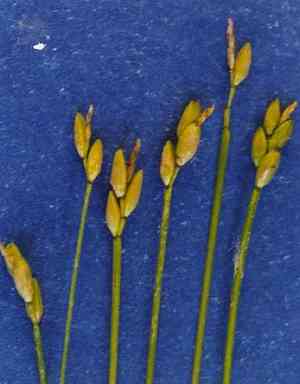
Bristlystalked sedge (Carex leptalea)
Also known as: Bristly-stalk sedge, Bristle-stalked sedge
The most widespread sedge in North America, known as clustered field sedge, thrives in wet environments. This perennial plant features thin, delicate foliage but can form dense mats. Despite its resilience in certain areas, it faces threats that make it vulnerable.
In This Article
Attributes of Bristlystalked sedge
Lifespan
Perennial
Plant Type
Grass
Plant Height
10 cm to 71 cm
Spread
10-20 cm
Leaf Color
Green
Flower Size
1-2 mm
Flower Color
Green to brown
Images of Bristlystalked sedge
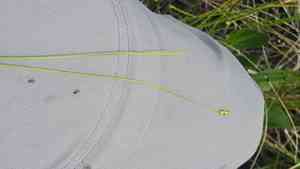
Quickly Identify Bristlystalked sedge
1
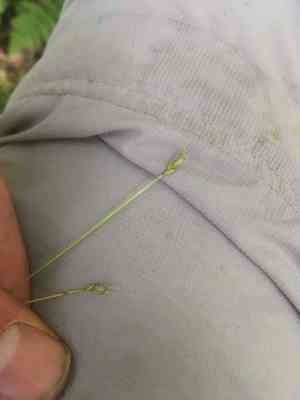
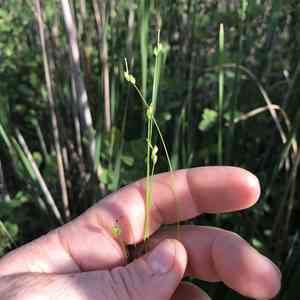
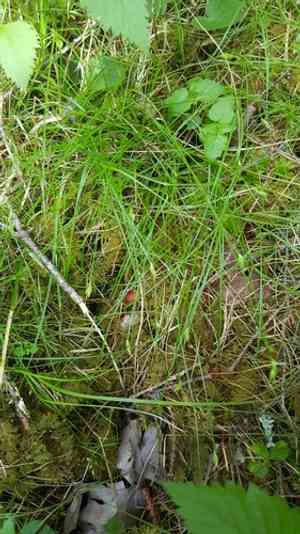
Carex leptalea can be identified by its thin, wiry stems and linear leaves, usually growing in clumps. The plant produces small clusters of spikes that are green to brownish in color.
Scientific Classification of Bristlystalked sedge
Phylum
Vascular plants
Class
Monocotyledons
Order
Poales
Family
Sedge
Genus
True sedges
Species
Bristlystalked sedge
Planting and Growing of Bristlystalked sedge
Care Difficulty
Easy
Watering Schedule
Every 4 days
Sunlight Requirements
Partial sun
Sunshine Duration
6-8 hours
Ideal Temperature
60-75℉
Soil Type
Potting Mix, Peat Mix
Soil pH
6.5-7.5
Fertilizer Type
Balanced
Pruning Season
Spring, Summer
Pruning Area
Branches, Leaves
Pruning Frequency
2 times a year
Repotting Season
Spring
Pot Type
Plastic, Ceramic
 How to Water Bristlystalked sedge?
Water Carex leptalea with about 200 milliliters each time, enough to thoroughly moisten the soil but not so much that it becomes waterlogged. The goal is to mimic natural habitats, where it benefits from consistent moisture without standing in water.
What are the symptoms of an underwatered Bristlystalked sedge?
›
What should I do if my Bristlystalked sedge is not getting enough water?
›
What are the symptoms of an overwatered Bristlystalked sedge?
›
How to save an overwatered Bristlystalked sedge?
›
 What Are the Sunlight Requirements for Bristlystalked sedge?
Partial shade to light sun exposure is ideal, ensuring the plant receives a balance of warmth and moisture, which is crucial for its growth in mimicking its natural wetland environment.
More About Sunlight Requirements Techniques→
What is the best location for Carex leptalea?
›
How can I ensure Carex leptalea receives ideal light?
›
What benefits does Carex leptalea gain from ideal lighting?
›
 What Is the Ideal Temperature Range for Bristlystalked sedge?
Carex leptalea thrives best in a temperate environment with a temperature range between 60°F and 75°F. This range supports optimal growth and ensures the plant maintains its vibrant foliage. Maintaining this temperature range helps in regulating its metabolic processes, leading to healthier plant development.
 What Soil is Best for Bristlystalked sedge?
Carex leptalea thrives in soil that retains moisture well, ensuring the roots are consistently hydrated. This is especially important for optimal growth as it mimics the plant's natural habitat in wetland areas. The plant prefers soil rich in organic matter. This provides essential nutrients that support vigorous growth and vibrant foliage, making the plant healthy and more resistant to diseases. While loving moisture, Carex leptalea also benefits from well-drained conditions to prevent root rot. So, a balance between moisture retention and drainage is essential to maintain plant health.
 How to Fertilize Bristlystalked sedge?
For Carex leptalea, use a balanced, water-soluble fertilizer at half the recommended strength. This ensures the delicate root system is not overwhelmed while providing essential nutrients.
 How to Prune Bristlystalked sedge?
Begin by using clean, sharp garden shears. Start at the base of the plant and remove any dead or damaged leaves. Trim back the stems to the desired height, usually leaving them just a few inches above the ground. This helps rejuvenate the plant, encouraging fresh growth. Always make cuts at a slight angle to ensure water runoff and to prevent disease. Spring and summer are ideal seasons for pruning Carex leptalea. Early spring pruning helps the plant recover from winter damage and initiate renewed growth. Summer pruning, after flowering, helps tidy up the appearance and prevent the plant from becoming too dense, which can lead to fungal diseases.
More About Pruning Techniques→
 How to Propagate Bristlystalked sedge plant?
1
Collect seeds from mature plants in the autumn when they are brown and dry. Once collected, clean them to remove any debris and store them in a cool, dry place until you’re ready to sow. Before sowing, soak seeds in water for 24 hours to enhance germination.
2
Fill seed trays with a light potting mix and plant seeds about a quarter-inch deep. Keep the soil consistently moist and place the tray in a bright, warm spot. Germination takes about 2-3 weeks, and seedlings should be ready for transplanting when they have a set of true leaves.
3
Carex leptalea can also be propagated by division in spring. Use a spade or knife to separate sections of the root mass. Make sure each division has at least three shoots and a healthy root system, and replant them immediately into moist soil.
 How to Repot Bristlystalked sedge plant?
1
Carex leptalea needs to be repotted when roots begin to outgrow the current pot, usually in spring or summer. Signs include roots poking through drainage holes or the plant seems persistently dry. Repotting during active growth ensures minimal stress and better adaptation.
2
Choose a pot that is 1-2 inches larger in diameter than the current one. This size ensures adequate room for root expansion without overwhelming the plant, which can lead to water retention and root rot. Ensure the pot has sufficient drainage holes to allow excess water to escape.
3
Opt for a moist, well-draining soil mix that retains moisture but allows for air circulation. This is crucial for Carex leptalea to prevent waterlogged conditions that can lead to root decay. Adding organic matter like peat can help retain moisture without oversaturation.
Learn More About Bristlystalked sedge Diseases
Anthracnose
Bacterial Leaf Spot
Bacterial Soft Rot
Chemical Injury
Damping-off
Downy Mildew
Drought Stress
Fusarium Wilt
Gray Mold
Leaf Spot
Mosaic
Nutrient Deficiency
Nutrient Toxicity
Powdery Mildew
Root Rot
Root-knot Nematode
Rusts
Sooty Mold
Spider Mites
Temperature Stress
Thrips Damage
White Mold



