How to Prune Bristlystalked sedge?
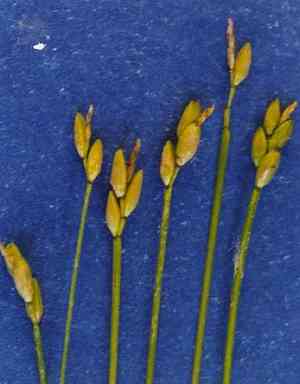
Bristlystalked sedge, a perennial grass-like species, flourishes in marshy environments, characterized by slender leaves and grouped flower spikes. Trimming is best performed in early spring or during winter prior to the emergence of new shoots. Cut back any deceased or excessively long foliage at the plant's base to preserve its well-being and form. This practice stimulates fresh development, deters ailments, and guarantees robustness. After flowering, gardeners ought to snip off the flower stalks to channel energy towards root expansion. Always employ sanitized, keen implements to prevent harm to the specimen.
What Are the Benefits of Pruning Bristlystalked Sedge?
What Are the Benefits of Pruning Bristlystalked Sedge?
Trimming bristlystalked sedge promotes more vigorous development by encouraging new, strong, and healthy growth. It also aids in maintaining its desired form and dimensions, ensuring a neat, cultivated look that enhances the garden's beauty.
What Is the Best Time for Pruning Bristlystalked Sedge?
What Is the Best Time for Pruning Bristlystalked Sedge?
Pruning bristlystalked sedge in early spring is advantageous as it coincides with the plant's active growth period, allowing bristlystalked sedge to recover faster from the trimming process and stimulating new growth. Additionally, cutting at this time helps eliminate any winter damage, ensuring bristlystalked sedge begins the growing season in good condition. Winter pruning is also ideal for bristlystalked sedge, as the plant is dormant, minimizing stress and shock. During winter, the absence of leaves provides better visibility of the plant's structure, enabling more precise pruning to maintain the desired shape and vitality of bristlystalked sedge.
What Tools Do I Need to Prune Bristlystalked Sedge?
Sharp Scissors or Hand Pruners
For bristlystalked sedge, a plant with delicate foliage and a grass-like habit, sharp scissors or hand pruners are perfect for making clean cuts without harming the plant. These tools allow for precision and can easily maneuver around the slender stems of bristlystalked sedge.
Gardening Gloves
While bristlystalked sedge is not typically thorny, wearing gardening gloves can offer protection from the rough, bristly texture of bristlystalked sedge's stalks, thereby preventing irritation or discomfort during the pruning process.
Disinfectant for Tool Cleaning
To prevent disease spread, it's essential to disinfect pruning tools before and after use on bristlystalked sedge. This can be done with rubbing alcohol or a bleach solution, which helps maintain plant health and cleanliness.
Waste Container
Pruning bristlystalked sedge will produce plant material that needs proper disposal. A container or bag for collecting trimmings helps keep the workspace tidy and assists in the disposal process.
How to Prune Bristlystalked Sedge
Clean tools
Before beginning, clean and sanitize pruning tools to prevent the spread of diseases to bristlystalked sedge.
Identify
Examine bristlystalked sedge to locate diseased and withered leaves that require removal. Look for any discoloration or damage indicating poor health.
Cut diseased leaves
Using the sterilized pruning shears, carefully trim away diseased leaves at their base, close to the ground. Avoid tearing or damaging adjacent healthy tissue.
Remove withered leaves
Cut back withered leaves to the base as well, ensuring a clean cut to promote faster healing and reduce the risk of disease entry.
Dispose
Collect and dispose of all removed material away from bristlystalked sedge to minimize the chance of disease transmission or pest attraction.
Common Pruning Mistakes with Bristlystalked Sedge
Overzealous cutting
Removing too much foliage at once can stress bristlystalked sedge and lead to poor growth. It's important to prune conservatively, especially because bristlystalked sedge has fine textured foliage that contributes to its overall aesthetic and health.
Ignoring natural shape
Attempting to prune bristlystalked sedge into an unnatural shape or size can compromise the plant's health and visual appeal. This species is best left in its natural clump form to thrive.
Using dull tools
Pruning with dull, unclean tools can damage the stems of bristlystalked sedge, leading to ragged cuts that are more susceptible to disease. It is crucial to use sharp, sterilized pruning tools for clean cuts.
Common Pruning Tips for Bristlystalked Sedge
Selective thinning
To promote air circulation and reduce the risk of disease, selectively thin out some of the older, more crowded stems of bristlystalked sedge by cutting them back to the plant's base.
Deadheading
Although excluding season, it's worth noting that bristlystalked sedge benefits from the removal of spent flower spikes to potentially encourage further flowering and to maintain a tidy appearance.
Post-flowering maintenance
After the main flowering period, remove the old foliage to help stimulate new growth. This helps to rejuvenate bristlystalked sedge and keeps it looking its best.
Health inspection
Regularly inspect bristlystalked sedge while pruning to identify signs of disease or pest infestation early on. Removing affected areas promptly will help maintain the health of bristlystalked sedge.



