How to Transplant Oval sedge?
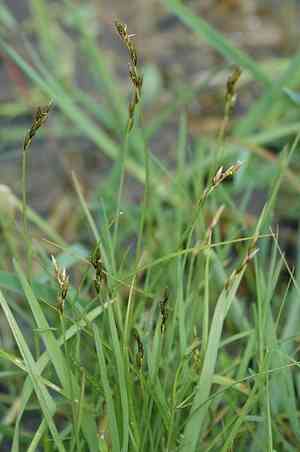
Relocate oval sedge during the vigorous period of spring, preferably from its commencement to its conclusion, to foster strong development. Select a location featuring damp, adequately draining earth, with partial shade. Careful manipulation of the root system at this stage enhances successful integration.
What Preparations are Needed Before Transplanting Oval Sedge?
What is the Ideal Time for Transplanting Oval Sedge?
The optimal period for relocating oval sedge is during nature's reawakeningâspecifically from when the ground thaws until just before summer's peak. This timeframe allows oval sedge's root system to establish in mild conditions prior to intense summer heat. Moving oval sedge in this gentle season ensures a smooth transition, giving your oval sedge ample time to recover and develop strong roots, promising lush growth once warmth arrives.
How Much Space Should You Leave Between Oval Sedge Plants?
When moving your oval sedge, aim to provide ample room for growth. Position them 8-12 inches (20-30 cm) apart. This ensures each oval sedge has sufficient space to thrive without overcrowding its neighbors.
What is the Best Soil Mix for Oval Sedge Transplanting?
Your oval sedge prefers well-drained soil enriched with organic material. Prepare the planting area by incorporating compost or aged manure. A balanced, slow-release fertilizer will give your oval sedges an excellent start. Just follow the product's directions!
Where Should You Relocate Your Oval Sedge?
Select a location for your oval sedge where they will receive filtered sunlight or partial shade. They flourish with less intense sun, so a spot that gets diffused light, especially during the hottest parts of the day, is perfect.
What Equipments Should You Prepare Before Transplantation Oval Sedge?
Gardening Gloves
To safeguard your hands while handling soil and plants.
Spade or Shovel
To carefully excavate the plant without harming its root ball.
Garden Fork
To loosen the soil around the plant's roots, if required.
Watering Can or Hose
To hydrate the plant before and after its relocation.
Wheelbarrow or Plant Pot
To move the plant to its new spot without disturbing the root ball.
How Do You Remove Oval Sedge from the Soil?
How Do You Remove Oval Sedge from the Soil?
From Ground: First, water the oval sedge plant to moisten the soil, which simplifies digging and reduces plant stress. Then, dig a wide circle around the plant with a spade or shovel to avoid root damage. Gently pry the soil with the spade to lift the root ball from the ground.From Pot: Water the plant, then gently tap the pot's sides to loosen the soil. Tilt the pot sideways and support the oval sedge plant with one hand. Carefully ease the plant out of the pot with its root ball intact.From Seedling Tray: Water the seedlings to dampen the soil, which helps the roots slide out more easily. Use a small tool like a dibber or a pencil's end to gently lift the seedling by its root ball, taking care not to harm the delicate roots.
Step-by-Step Guide for Transplanting Oval Sedge
Prepare the New Site
Dig a hole in the ground that is twice as wide and equally deep as the root ball of your oval sedge plant to allow for easy placement and growth.
Rooting Out
Inspect the root ball of the oval sedge, gently untangling any matted or circling roots. This encourages them to spread into the surrounding soil.
Positioning
Place the oval sedge plant in the middle of the new hole, ensuring it is at the same depth it was previously growing. Avoid planting too deep or too shallow.
Fill the Hole
Backfill the hole with the excavated soil. Lightly firm it down around the base of the oval sedge to eliminate air pockets and stabilize the plant.
Water Deeply
Water the oval sedge generously immediately after transplanting to settle the soil and hydrate the roots, but be careful not to overwater.
How Do You Care For Oval Sedge After Transplanting?
Observation
Watch the oval sedge for indications of stress such as wilting or discolored foliage, and address any issues promptly.
Mulching
Apply a layer of mulch around the base of oval sedge, keeping it clear of the stems, to help maintain soil moisture and temperature.
Regular Watering
Water the oval sedge if rainfall is insufficient, especially during the initial growing season after transplanting to ensure the plant establishes well.
Support Staking
If the oval sedge is tall or in a windy location, it might need staking to prevent it from leaning or being uprooted.
Troubleshooting Common Issues with Oval Sedge Transplantation.
When is the ideal time to transplant oval sedge?
Move oval sedge during the prime window from early to late spring, as the weather begins to warm.
How far apart should I space oval sedge when transplanting?
Allow each oval sedge ample room to thrive by spacing them 8-12 inches (20-30 cm) apart.
What should I do if oval sedge wilts after transplanting?
Ensure the soil is moist but not waterlogged. A wilting oval sedge often requires a bit more hydration.
Why is my transplanted oval sedge turning yellow?
Yellowing can signal overwatering or poor drainage. Check moisture levels and amend the soil as needed.
Can I transplant oval sedge on a hot, sunny day?
It's best to transplant oval sedge on an overcast day or in the late afternoon to prevent heat stress.
How deep should the hole be for transplanting oval sedge?
The hole should be as deep as the root ball but twice as wide to encourage root development.
What type of soil is best for transplanting oval sedge?
Well-draining, fertile soil with balanced moisture retention is optimal for oval sedge.
How much should I water oval sedge after transplanting?
Water thoroughly to settle the soil around the roots but avoid waterlogging, then maintain consistent moisture.
Should I fertilize oval sedge right after transplanting?
Wait a few weeks before fertilizing to allow oval sedge to recover from the shock of relocation.
The leaves of oval sedge are drooping post-transplant, what should I do?
Drooping leaves could indicate transplant shock; maintain soil moisture and provide shade if necessary until oval sedge recovers.



