How to Prune Oval sedge?
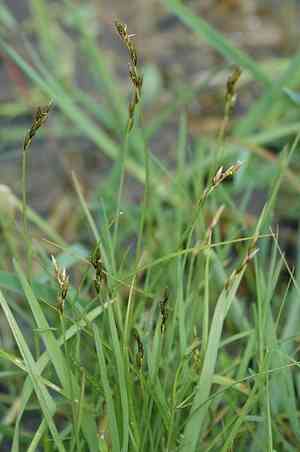
This slender-leaved perennial, Carex ovalis, flourishes with infrequent trimming. Remove any withered or discolored leaves during early spring or winter to stimulate fresh development. If the foliage appears untidy, cut it back to the soil line. Refrain from excessive pruning, as it helps maintain the plant's inherent form and vigor. Trimming enhances air movement, lowers the chance of illness, and sustains a pleasing look. Employ sharp, sanitized shears for all cuts.
Advantages of Trimming Oval Sedge
Advantages of Trimming Oval Sedge
Trimming oval sedge promotes robust development by eliminating dead or crowded leaves, enhancing air circulation and sun exposure. Regular trimming maintains oval sedge's desired form and size, boosting its visual appeal in a garden.
Optimal Period for Trimming Oval Sedge
Optimal Period for Trimming Oval Sedge
Cutting or trimming oval sedge in early spring aligns with the plant's natural slowdown in growth after winter dormancy, enabling efficient recovery and energy focus on new growth. This timing also minimizes health impact as it prepares for its active growth phase. Trimming in winter, during dormancy, lowers the risk of disease transmission or significant stress to oval sedge. This season also offers a clearer view of the plant's structure due to reduced foliage, facilitating a more precise cut. Trimming during these recommended times helps preserve oval sedge's natural shape and can lead to denser, more vigorous growth during its peak season.
Necessary Tools for Trimming Oval Sedge
Hand Pruners
Perfect for cutting individual leaves or stems of oval sedge, hand pruners deliver clean cuts and are easy to handle, minimizing plant harm.
Grass Shears
For uniformly and quickly trimming larger areas, grass shears are effective. They allow shaping of oval sedge without crushing the foliage.
Pruning Scissors
These are suitable for more detailed, precise work on oval sedge, when removing dead leaves or tidying up small sections.
Gardening Gloves
Wearing gloves protects the gardener's hands from moisture and potential irritants while handling oval sedge.
Method for Trimming Oval Sedge
Sanitize tools
Before starting the trimming process, ensure all trimming tools are clean and sterilized to prevent disease spread to oval sedge.
Identify sections
Locate and mark the diseased and withered leaves on oval sedge that need removal. Look for any discolored, damaged, or lifeless tissue that could compromise the plant's health.
Remove diseased leaves
Using sharp, clean scissors or pruning shears, carefully cut off the diseased leaves. Cut at the base of the leaf, near where it emerges from the ground or main stem, ensuring no damage to new growth or healthy tissue.
Discard withered leaves
Similarly, remove the withered leaves by trimming them at their base. This helps improve air circulation and redirects the plant's energy to support healthy growth.
Dispose of waste
Properly dispose of all removed material, far from healthy plants, to prevent any potential spread of pests or disease. Clean and sterilize the tools again after finishing the trimming.
Common Trimming Errors with Oval Sedge
Excessive trimming
Removing too much foliage at once can stress oval sedge, potentially hindering its growth or causing dieback.
Incorrect tool usage
Using dull or dirty trimming tools can harm oval sedge's delicate stems, introducing disease or impeding proper healing.
Tearing stems
Instead of making clean cuts, some gardeners may accidentally tear the stems, which can lead to uneven growth and potential entry points for pests and diseases.
Ignoring dead foliage
Failing to remove dead or diseased foliage can negatively impact the health and appearance of oval sedge, as it might encourage fungal growth and insect infestations.
Trimming solely for looks
While shaping oval sedge is important, trimming should also prioritize the plant's health, not just its appearance.
General Trimming Advice for Oval Sedge
Sharp tools
Use sharp, clean scissors or shears to make precise cuts without damaging the stems of oval sedge.
Moderation
Trim oval sedge moderately, only removing what is necessary to maintain its shape and health, such as dead or dying foliage.
Healthy growth
Trim in a way that promotes air circulation and allows light to reach the interior of oval sedge, fostering healthy growth.
Cut angles
Make cuts at a slight angle away from the base of oval sedge, which helps prevent water accumulation and potential rot on the cut surfaces.
Clean-up
Always remove and dispose of trimmed debris to maintain good hygiene around oval sedge, reducing the risk of disease.



