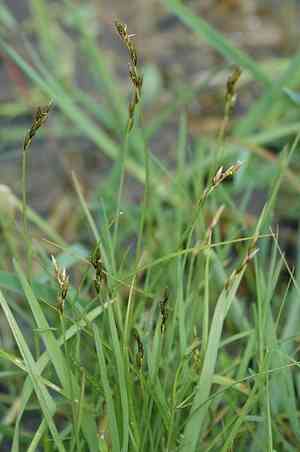
Oval sedge (Carex leporina)
Also known as: Common hare-foot sedge
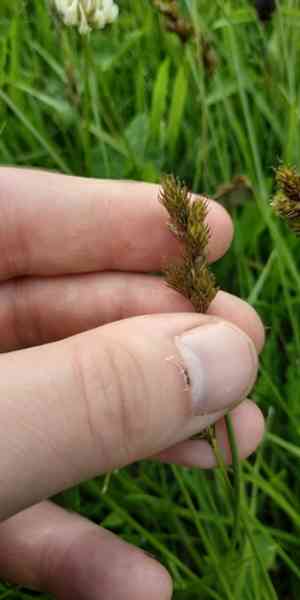
Oval sedge stands out within its genus due to its preference for fields and meadows, in contrast to many other Carex species that usually favor wetter environments. Its common name is derived from its distinctive inflorescence, which features small clusters of florets forming oval-shaped heads.
In This Article
Attributes of Oval sedge
Lifespan
Perennial
Plant Type
Grass
Plant Height
30 cm to 76 cm
Spread
30 cm to 45 cm
Leaf Color
Green
Flower Size
2.5 cm
Flower Color
Yellow Green Brown
Images of Oval sedge
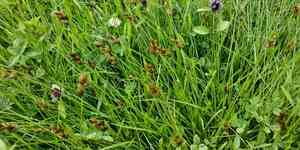
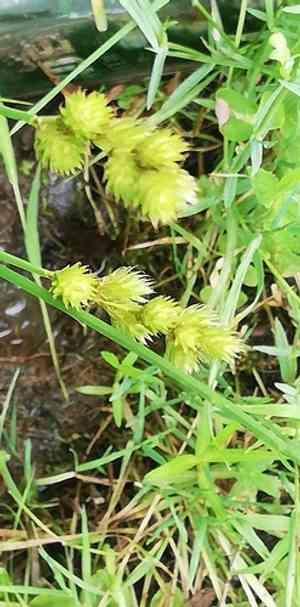
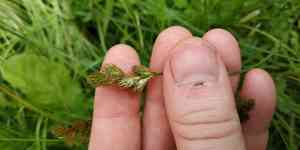
Quickly Identify Oval sedge
1
Carex leporina can be identified by its tufted growth habit and oval-shaped spikes. The leaves are grass-like and it often has brownish or reddish seed heads.
Scientific Classification of Oval sedge
Phylum
Vascular plants
Class
Monocotyledons
Order
Poales
Family
Sedge
Genus
True sedges
Species
Oval sedge
Planting and Growing of Oval sedge
Care Difficulty
Easy
Watering Schedule
Every 3 days
Sunlight Requirements
Partial sun
Sunshine Duration
4-6 hours
Ideal Temperature
60-75℉
Soil Type
Potting Mix, Peat Mix
Soil pH
6.5-7.5
Fertilizer Type
Balanced
Pruning Season
Spring, Summer
Pruning Area
Branches, Leaves
Pruning Frequency
2 times a year
Repotting Season
Spring
Pot Type
Plastic, Ceramic
 How to Water Oval sedge?
For Carex leporina, maintaining a moderate moisture level in the soil is vital. Ensure enough water so the soil feels moist but not waterlogged. Around 250 ml per watering should suffice, depending on the plant's environment.
What are the symptoms of an underwatered Oval sedge?
›
What should I do if my Oval sedge is not getting enough water?
›
What are the symptoms of an overwatered Oval sedge?
›
How to save an overwatered Oval sedge?
›
 What Are the Sunlight Requirements for Oval sedge?
Partial sun for Carex leporina supports healthy growth by allowing photosynthesis without stressing the plant from overexposure to light, maintaining leaf color and vigor.
Optimal positioning for sunlight
›
Utilizing natural filters for light
›
Artificial lighting enhancements
›
 What Is the Ideal Temperature Range for Oval sedge?
Carex leporina thrives best in temperatures between 60°F and 75°F. This range provides an ideal environment for physiological processes such as photosynthesis, respiration, and transpiration. Maintaining this temperature range ensures robust growth and minimizes stress on the plant.
 What Soil is Best for Oval sedge?
Carex leporina thrives in soil that can retain moisture effectively without becoming waterlogged. This helps ensure the plant has consistent access to water, critical for its growth and health. The plant benefits from a nutrient-rich soil that can supply essential minerals. This facilitates robust root development and vigorous above-ground growth, leading to a healthier plant. Soil with good aeration is crucial for the proper exchange of gases around the plant roots. This prevents root rot by allowing surplus moisture to drain while ensuring the roots have access to oxygen.
 How to Fertilize Oval sedge?
Carex leporina benefits from a balanced fertilizer regimen. Use a general-purpose liquid fertilizer diluted to half strength, applying approximately 250 milliliters per application. This ensures the plant gets adequate nutrients without overwhelming its roots.
 How to Prune Oval sedge?
Avoid pruning if the plant looks stressed from drought or pest infestation. These conditions require separate management before pruning. Ensure not to remove more than a third of the plant’s foliage at one time. Over-pruning can shock the plant, slow its growth, and make it weaker.
More About Pruning Techniques→
 How to Propagate Oval sedge plant?
1
Fill seed trays with a well-draining, sterile seed-starting mix. Moisten the mix before sowing the seeds to ensure even moisture. Distribute Carex leporina seeds thinly on the surface and lightly cover them with a thin layer of soil.
2
To propagate via division, first, dig up a mature clump of Carex leporina. Gently separate the clump into smaller sections, ensuring each has roots attached. Replant these sections immediately to avoid drying out the roots.
3
Once the seedlings have developed a few true leaves, transplant them into individual pots. Ensure they are planted at the same depth as they were in the seed tray and water them thoroughly after planting.
 How to Repot Oval sedge plant?
1
With Carex leporina, look for signs like roots growing out of drainage holes or soil compacted at the pot's surface. These indicate congested roots and poor aeration, making it ideal to repot in early spring or during summer.
2
Selecting the right pot involves finding one that is just a couple of inches wider than the current one. A slightly larger pot minimizes root disturbance, ensuring better growth while reducing waterlogging risks associated with oversized containers.
3
Opt for a mix that retains moisture without becoming waterlogged, incorporating organic matter like compost. This promotes strong root growth and maintains necessary nutrients, creating ideal conditions for Carex leporina’s development.



